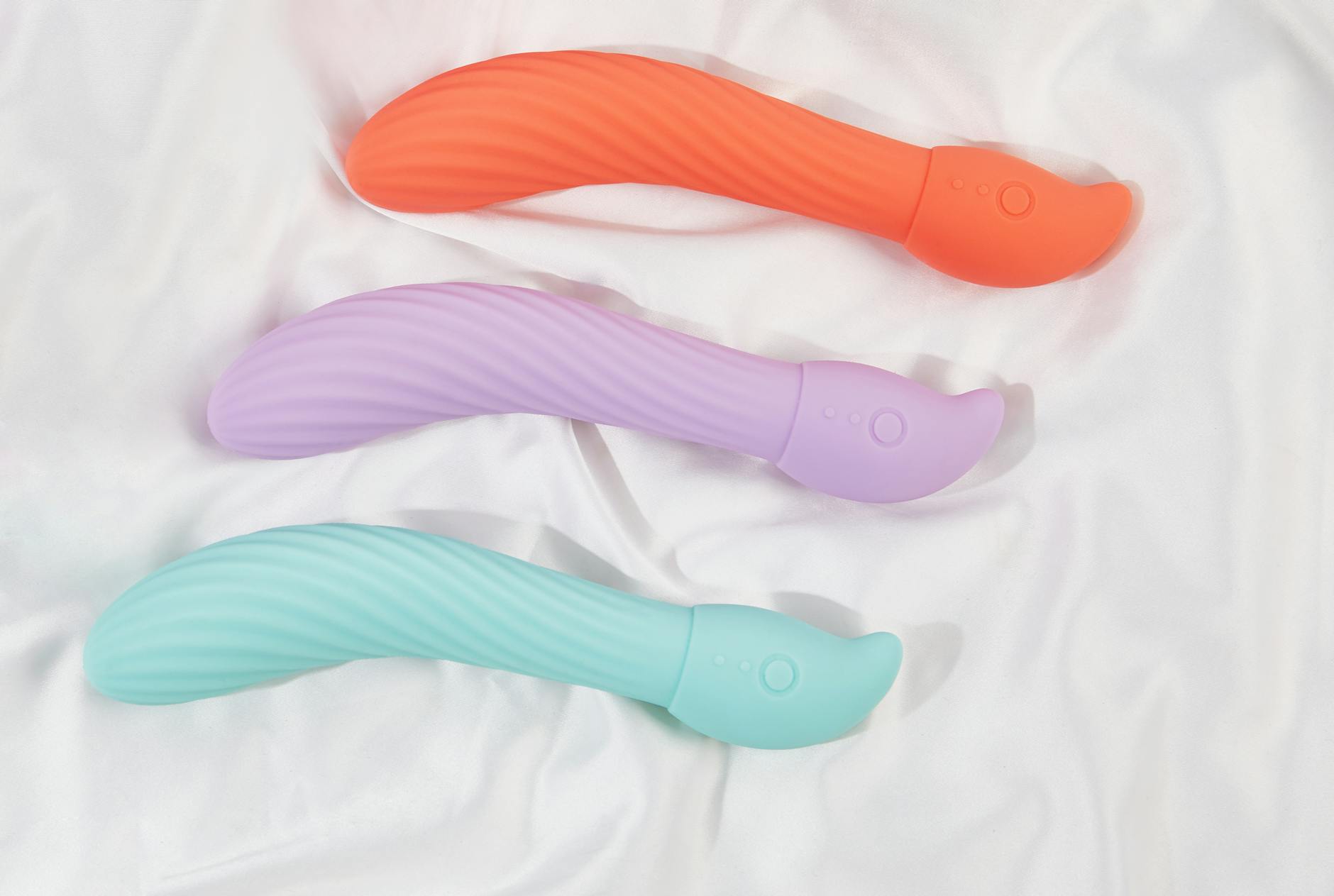
The thing everyone asks but nobody answers directly
You use a lemon vibrator. You feel amazing. Then the worry creeps in: what if I can't feel anything without it anymore? What if my sensitivity is permanently dialed down? Honest question. Let's dig into what the research actually says, because the answer is more nuanced than either "vibrators destroy your nerve endings forever" or "use it guilt-free, zero consequences."
Neither is true.
What desensitization actually means (and what it doesn't)
Desensitization sounds permanent. It's not. What actually happens is called "sensory adaptation," and your body does this with everything. Your skin adapts to the feeling of your jeans, your nose stops noticing your perfume, your ears tune out background noise. It's a feature, not a bug. Your nervous system is smart enough to stop flagging the same input as novel so you can notice new things.
With vibrators, sensory adaptation means that over time, the same vibration pattern feels less intense than it did the first time you used it. The nerve endings aren't damaged. They're just less reactive to that specific stimulus because your brain has filed it under "familiar." Change the pattern, the intensity, or take a break, and sensitivity snaps back.
That's wildly different from permanent desensitization.
The research on vibrators and sensation
The evidence here is actually reassuring. A 2017 study published in the Journal of Sexual Medicine surveyed over 2,000 women who used vibrators regularly, some for decades. The finding: no correlation between vibrator use and reduced clitoral sensation. Women who'd been using vibrators for 10+ years reported the same sensitivity levels as first-time users, provided they weren't using the same toy on the highest setting daily without variation.
Why does variation matter? Because it prevents habituation. Your clitoris doesn't adapt to different patterns at the same rate it adapts to one monotonous setting. It's why you can use the same lemon vibrator every day but feel drastically different sensations if you switch between gentle suction, pulsing, and steady modes.
The real risk (and it's smaller than you think)
There is one scenario where vibrator use can temporarily reduce sensitivity: numbing from intense, sustained pressure. If you're pressing a powerful vibrator hard against your clitoris for 30+ minutes daily, yes, you'll feel temporarily less responsive in that area. Not because the nerves are damaged, but because you've temporarily overwhelmed them. Think of it like your hand going numb after holding something too tightly. Release the pressure, rest, and normal sensation returns within hours to days.
This is more common with high-powered traditional vibrators than with lemon vibrators, partly because lemon clitoral vibrators use air-pulse technology, which distributes pressure differently than direct vibration. The suction mechanism is gentler on tissue, which means lower risk of overstimulation even with frequent use.
What actually changes (and it might be good)
Here's the thing nobody talks about: your sensitivity might change, but not in the way you're scared of. Regular vibrator use trains your nervous system to recognize and respond to different types of pleasure faster. Some women report that they orgasm more easily after establishing a regular vibrator routine, not less easily.
What does shift is your baseline for what feels "enough." If you've been using a lemon vibrator on pattern 5 for six months, suddenly switching to a partner's touch might feel too subtle at first. But this isn't desensitization. It's preference recalibration. Your clitoris still works. Your body has just gotten used to a particular intensity and needs to retune.
This is entirely reversible. Stepping back from vibrator use temporarily or rotating in lower-intensity tools can reset your sensitivity quickly. The nerves haven't gone anywhere.
How to use a lemon vibrator long-term without worrying
If you want to use a lemon clitoral vibrator regularly without any concern about sensitivity drift, follow these practices:
Vary your patterns. Don't use the same setting every time. The Lem has multiple modes for exactly this reason. Rotate between them, even if you have a favorite. Your nervous system stays engaged.
Take occasional breaks. One week off every few months is enough. You'll notice the next time you use it feels freshly intense. It's like the difference between daily coffee and drinking it again after a week without. Everything tastes stronger.
Balance with other stimulation. Mix in partnered touch, manual stimulation, or different toys. Variety prevents habituation across the board. Your body doesn't plateau to pleasure generally, just to repetition.
Start lower than you think you need. If you're new to lemon suction vibrators, begin on a gentler setting. You can always increase. This also means you have room to escalate if you notice adaptation over months, rather than starting at maximum and having nowhere to go.
Use lubricant. Water-based lube reduces friction and distributes pressure more evenly, meaning less intense localized stimulation and lower risk of temporary numbing from pressure.
The partner question: if vibrators cause desensitization, what about solo pleasure
Honestly, this is where the anxiety often lives. People worry that regular vibrator use will make partnered sex less satisfying because "nothing else will compare." Here's the counterintuitive truth: that's not how bodies work.
Your clitoris doesn't have a one-size-fits-all pleasure switch. It responds to different types of stimulation differently. A lemon vibrator's suction feels nothing like a partner's mouth or fingers. The sensations are so distinct that your body isn't comparing them; it's experiencing entirely different things. One doesn't cancel out the other.
If anything, regular vibrator use can improve partnered sex because you've spent time learning exactly what your body likes. That knowledge translates. You know your pressure preferences, your rhythm, your timing. That's an asset, not a liability.
When sensitivity changes, what it might actually mean
If you do notice that you're not responding to a lemon vibrator the way you used to, pause before assuming desensitization. Consider:
Stress levels, sleep, hormones, medications, and relationship dynamics all affect sexual response. A shift in sensitivity is often a signal from your body about something else entirely, not vibrator damage. I work with couples regularly who notice decreased response not from vibrator use, but from unresolved tension, exhaustion, or disconnection.
That's worth checking in with before you retire your favorite toy.
The bottom line
Lemon vibrators don't permanently desensitize you. Sensory adaptation is real, but it's temporary and completely reversible. Vary your use, take breaks when you feel like it, and balance vibrator play with other forms of stimulation. Your clitoris is resilient, adaptive, and more than equipped to handle regular pleasure without suffering permanent loss of sensation.
Use your lemon clitoral vibrator without guilt. The research backs you up.
People also ask
Can I use my lemon vibrator every day without damaging sensitivity?
Yes, provided you vary your patterns and intensity settings. Daily use of the same vibrator on the same setting might create temporary sensory adaptation, but it's not permanent. Switching between the Lem's different modes, taking occasional breaks, and balancing with partner touch prevents habituation. Most people find their sensitivity normalizes within a few days of variation.
How long does vibrator desensitization last?
Temporary numbing from intense pressure typically resolves within hours to days. True sensory adaptation (where a familiar pattern feels less intense) usually takes days to weeks to reverse with variation or rest. There is no permanent desensitization from vibrator use based on current research. If sensitivity changes persist beyond two weeks despite varying your routine, consult a healthcare provider, as it might indicate something unrelated to vibrator use.
Will a lemon vibrator make partnered sex less satisfying?
No. Lemon suction vibrators create a sensation entirely distinct from manual or partnered touch. Your body doesn't compare them as "more" or "less"—it experiences them as different. Research shows vibrator users actually report higher satisfaction with partnered sex, partly because they've learned their body's preferences and can communicate them more clearly.
Is there a difference in desensitization between air-pulse and traditional vibrators?
Air-pulse lemon clitoral vibrators like the Lem distribute stimulation differently than traditional vibrators, making intense pressure numbing less likely. The suction mechanism is gentler on tissue, and the sensation is more diffuse. That said, both types of vibrators carry similar low risk of permanent desensitization if used with variation. The difference is in comfort and temporary numbing risk, not long-term nerve damage.
Should I be worried about desensitization if I use a vibrator with my partner?
No. Partnered vibrator use doesn't increase desensitization risk compared to solo use. In fact, varying the type of stimulation (partners' hands, mouths, vibrators, different toys) actually protects against sensory adaptation better than any single method alone. Rotation is your friend.
What's the difference between sensory adaptation and permanent desensitization?
Sensory adaptation is your nervous system's normal response to repeated stimuli. It's temporary and reversible. Permanent desensitization would mean actual nerve damage. Vibrators don't cause nerve damage. They might temporarily reduce responsiveness to a specific pattern, but changing that pattern or resting restores sensitivity within days. These are completely different things, and the research confirms vibrators cause the former, not the latter.
Related reading
If you're thinking about long-term vibrator use, these might help: best lemon vibrator settings for different stages of arousal covers how to vary your routine, and why lemon vibrators feel different for people with sensitive clitoral tissue explains the neuroscience of sensation in more detail.