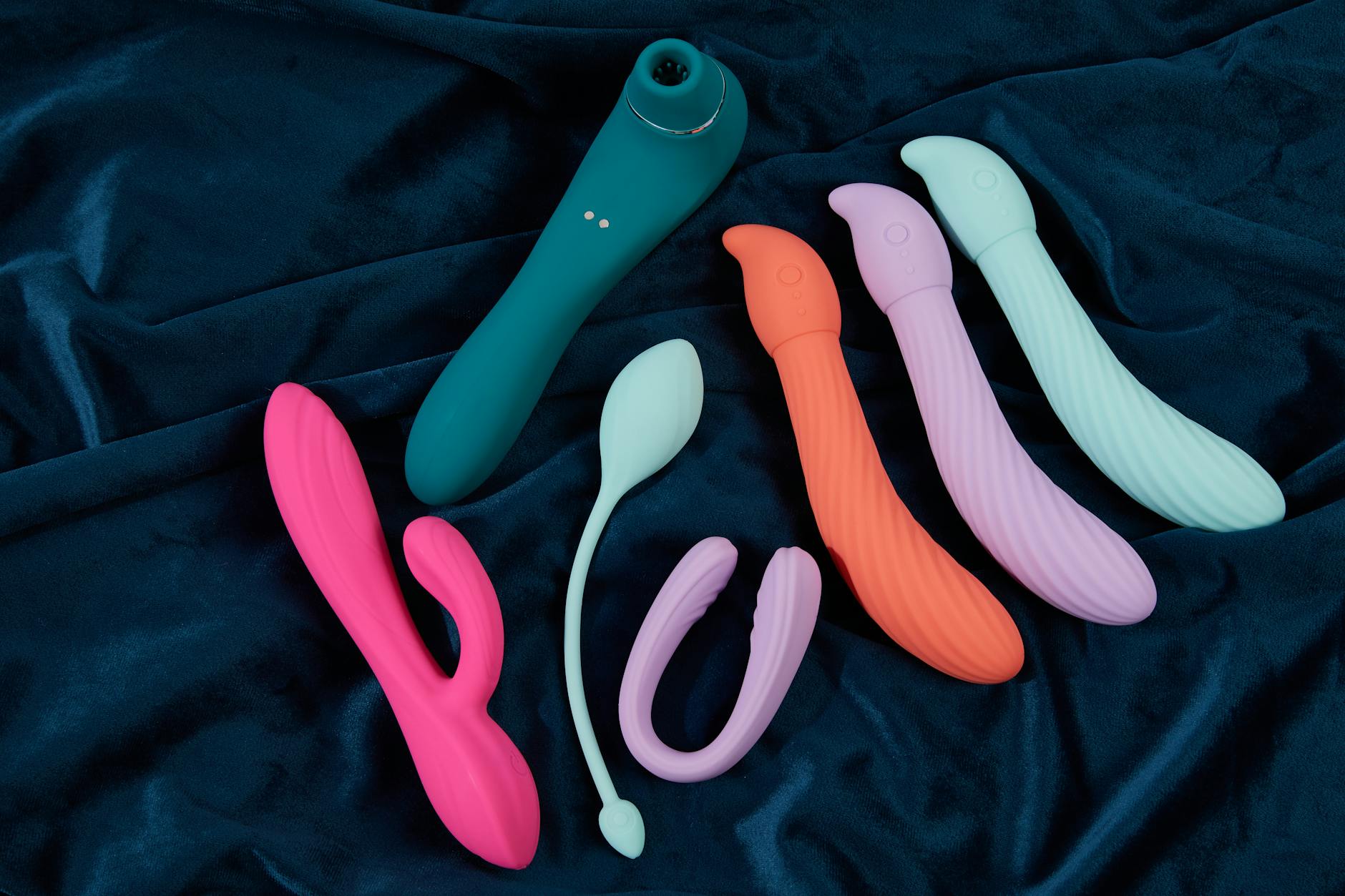
Let's talk about sensitivity without the shame
If you've ever used a vibrator and felt like your body was being attacked instead of pleased, you're not alone. Clitoral tissue is wildly sensitive. Not broken. Not "too much." Just sensitive. And the toy industry has spent decades acting like "more power" solves that problem. Spoiler: it doesn't.
Here's where lemon vibrators and other air-pulse clitoral vibrators change the game. They use suction instead of direct vibration, which means your tissue doesn't take a battering. Instead, it gets stimulated through a gentler mechanism that lets you stay in control of intensity without numbing yourself out.
How sensitive tissue actually works
Your clitoris has roughly 8,000 nerve endings packed into a space smaller than a pea. That density is incredible. It's also why harsh vibration can feel like white noise instead of pleasure. When you have sensitive tissue, what you're really saying is: "My nerve endings fire quickly, and I need a lighter touch to build sensation without overwhelming the signal."
Direct vibration overstimulates fast. It floods those 8,000 nerve endings at once, which sounds good in theory but often just creates numbness. You end up turning the intensity up, which numbs you further, and suddenly you're in a loop where you need more and more power to feel anything.
Lemon vibrators sidestep that loop entirely. The suction mechanism creates waves of pressure instead of rapid vibrations. It's similar to the difference between someone tapping your arm repeatedly versus gently squeezing and releasing. Both touch you. Only one feels like actual pleasure when you're sensitive.
Why suction works better for sensitive bodies
Three reasons suction beats traditional vibration for delicate tissue.
First: controlled pressure escalation. With a lemon vibrator, you start with gentle suction that feels like a soft pull. As arousal builds, your tissue naturally swells slightly, which changes how the suction feels. The sensation grows with your body, not against it. With a traditional vibrator, sensation tends to feel the same at every intensity level, just faster. That's actually the problem.
Second: no friction fatigue. Direct vibration creates friction between the vibrator and your tissue. Over time, that friction irritates delicate skin. People with sensitive tissue often experience rawness, mild irritation, or a feeling of being "burned out" after using traditional vibrators. Lemon vibrators use suction, so there's no friction at all. Your tissue stays comfortable longer.
Third: the pleasure arc stays steeper. With suction, arousal doesn't plateau as fast. Most people find they can sustain building pleasure for longer before hitting that wall of numbness that happens with vibration. That means more control over your own climax and often multiple sensations in one session instead of one-and-done.
The difference between air-pulse and traditional vibrators
Let's be specific about what separates them, because it matters.
Traditional vibrators vibrate at a fixed frequency, typically 3,000 to 10,000 vibrations per minute depending on the toy. Your tissue is stimulated by the repetition of movement. This works for some people beautifully. For those with sensitive tissue, that repetition becomes overwhelming fast.
Air-pulse vibrators like the lemon clitoral vibrator use a motorized pump that creates suction pulses. Most operate around 40 to 180 pulses per minute. Here's the key difference: fewer, more spaced-out pulses create a sensation pattern your nerve endings can actually track. You feel the suction, the release, the buildup. You don't just feel "on or off."
The rhythm is also closer to how your body naturally responds during arousal. Muscle contractions during pleasure happen at roughly 0.8-second intervals. Air-pulse vibrators sync much better with that natural rhythm than rapid vibrations do. That's not accident. That's why so many people with sensitive tissue report their most intense experiences come from air-pulse toys.
Who benefits most from lemon vibrators
Three groups of people typically find air-pulse lemon vibrators especially life-changing.
People recovering from irritation or numbness. If you've been using intense vibrators and your tissue feels raw or like nothing works anymore, switching to suction gives your body a chance to reset. Within a week or two of using a gentler approach, most people find their sensitivity returns. The nerve endings aren't damaged. They're just tired.
People with naturally high sensitivity. Some bodies are just wired to overstimulate easily. For those people, every traditional vibrator they try feels too intense even on the lowest setting. Lemon vibrators often have a learning curve of their own (you have to position them right, find your rhythm), but once dialed in, they deliver pleasure without that frantic, overwhelmed feeling.
People managing pain conditions or medications that affect sensation. Nerve damage from diabetes, endometriosis, or certain medications can make vibration feel like static. Suction, because it creates broader pressure waves instead of pinpoint vibration, sometimes feels more accessible. It's not guaranteed, but it's worth trying if you've written off vibrators entirely.
How to actually use one if you're sensitive
Here's where people get stuck. They buy a lemon vibrator, expect it to work like a traditional vibrator, get disappointed, and assume air-pulse isn't for them.
Wrong move. It just means you haven't dialed in your approach yet.
Start with the lowest setting. Even if it feels wimpy. Your body needs time to recognize that gentler sensation as "pleasure" instead of "something's happening." Most people need three to five sessions before their brain files the sensation correctly.
Position matters more than you think. With a lemon vibrator, the suction seal is everything. The toy needs to sit flush against your tissue, creating an airtight seal. If it's sitting on top loosely, you're not getting suction at all. You're just getting a weird buzzing sensation. Angle matters, wetness matters, and sometimes just tilting your pelvis changes everything.
Warm up first. Your tissue needs to be aroused and full of blood before the suction really works. That doesn't mean you need a partner or penetration. It means spending 10 to 15 minutes with your hands or a partner's hands or another toy before you bring in the lemon vibrator. Warmup isn't extra. It's essential.
Use it during the buildup, not the finale. Most sensitive people find that using air-pulse during the early or mid-stage of arousal works better than saving it for the orgasm attempt. It builds sensation gradually. Once you're already halfway there, sometimes switching back to manual stimulation or a partner gets you over the edge better than staying on the toy the whole time.
What to expect in your first week
Not every session will feel amazing. That's normal.
Your first use might feel strange or underwhelming. Your second might feel more interesting. By day five, most people with sensitive tissue report that their body has clicked into it. By week two, they're usually wondering how they ever tolerated harsh vibration before.
If after a week it still feels like nothing, check your technique. Are you getting a seal? Is your tissue actually aroused before you start? Are you staying on the lowest setting long enough? Most "didn't work for me" experiences are actually "I didn't use it right" situations.
When air-pulse isn't the answer
Honest moment: suction-based lemon vibrators don't work for everyone, even people with sensitive tissue.
Some people's anatomy makes it hard to get a good seal. Some find the sensation too subtle and want more direct stimulation. Some have a gag reflex response to suction that their brain interprets as unpleasant. All of those are legitimate reasons to try something else. Check out our guide on choosing the right toy to understand what other options might suit your body better.
The bigger picture on tissue health
Here's what I want you to know: sensitivity isn't a problem to overcome. It's information. Your body is telling you something about what works and what doesn't.
For most people, switching to a lemon vibrator or other air-pulse toy isn't a downgrade. It's an upgrade to a toy that actually respects how your body is wired. You get pleasure without the burnout, without the irritation, without the feeling of being hammered into numbness.
If you've always thought vibrators just weren't for you, give suction one real shot. Not a half-hearted "I'll try it once." A committed experiment. Get the positioning right, use the lowest setting, warm up properly, and give it a week. Most sensitive bodies surprise themselves.
Frequently asked questions
Can sensitive tissue really handle any vibrator, or do I need air-pulse specifically?
You don't need air-pulse if your body works well with traditional vibration. Some people with sensitive tissue do great with lower-intensity vibrators, wand vibrators at a distance, or even subtle vibration patterns. The issue is that most traditional vibrators aren't designed for sensitivity. They're loud, powerful, and one-speed. Air-pulse toys tend to be gentler by design. If you find a traditional vibrator that works for you at low intensity, that's perfect. But if you've tried several and always felt overwhelmed, lemon vibrators are absolutely worth testing.
Is it normal for my clitoris to feel sore after using a vibrator?
Soreness isn't normal, and it's worth paying attention to. Mild sensitivity or a tender feeling that fades within an hour is one thing. Actually sore tissue that lasts longer suggests you're either using too much intensity, not using enough lubrication, or going for too long without breaks. Back off, add more lubrication, limit sessions to 15 to 20 minutes, and see if the soreness goes away. If it persists with gentle use, check in with a gynecologist to rule out dermatitis or other tissue inflammation.
How is a lemon clitoral vibrator different from other suction toys?
Lemon vibrators use a specific pulsing pattern and suction strength that tend to work well for clitoral tissue specifically. Other suction toys exist (tongue-simulation vibrators, broader suction toys), but they're often designed for different anatomy or different sensations. Lemon vibrators are engineered specifically for clitoral pleasure. That focus is why they're so effective for people trying suction for the first time.
Do lemon vibrators work if you can't get an orgasm from clitoral stimulation alone?
Clitoral vibrators, including lemon suction toys, are built specifically for clitoral stimulation. If clitoral stimulation alone has never gotten you to orgasm, a lemon vibrator probably won't be the magic solution either. That said, some people find that the gentler, more rhythmic sensation of air-pulse makes clitoral stimulation more accessible than it's been before. If you've only ever tried intense vibrators, it might be worth testing. But if you know that your arousal pattern requires penetration, blended stimulation, or partner involvement, plan to use a lemon vibrator as part of a broader approach, not the whole approach.
What's the difference between sensitivity and an allergic reaction to toy materials?
Sensitivity is about nerve response and physical intensity. Allergic reaction is about the material itself. If you feel burning, itching, redness, or swelling that shows up during or after use and doesn't go away quickly, you might be reacting to the toy's material. Most Hello Nancy toys are made from medical-grade silicone, which is hypoallergenic for the vast majority of people. But if you're sensitive to silicone, polyurethane, or other materials, let us know. We can help you figure out what's safe for your body. Sensitivity to sensation is totally different from allergic sensitivity to materials.
Can I use a lemon vibrator if I have a vulval skin condition like eczema or lichen sclerosus?
Maybe, but you need professional guidance first. Some vulval conditions mean that any stimulation, including gentle suction, irritates tissue further. Others might tolerate air-pulse better than vibration because there's no friction. Talk to your gynecologist or dermatologist before using any vibrator if you have an active skin condition. They can tell you whether suction is safe for your specific situation and what precautions matter.
Final thought
Sensitive tissue isn't a barrier to pleasure. It just means you need the right approach. For many people, lemon vibrators and other air-pulse toys are that approach. They deliver genuine, building sensation without the numbness or irritation that comes with harsh vibration. If you've been told your body is "too sensitive" for vibrators, that's not actually what's happened. You just haven't found the right toy yet. This might be it.