Let's name the thing nobody talks about
Time apart creates a gap. Not just an emotional one. Your bodies forget the rhythm you had. The touch that used to feel familiar now feels like relearning a language you used to speak fluently. And honestly, that strangeness can make both partners tense, which is the opposite of what reconnection needs.
Here's what I tell couples in this position: the awkwardness is normal. The hesitation is normal. And trying to jump straight back into what you had before? That's where most couples stumble.
Why reconnection is physically different than you think
Your nervous system has been somewhere else. If you've been apart for weeks or months, your body has adjusted to that distance. Adrenaline isn't running; your parasympathetic nervous system has settled into a baseline without them. Arousal doesn't flip a switch. It requires a gentle ramp.
There's also something psychological happening. You might feel shy. They might feel unsure if they're welcome. That gap creates performance pressure, and performance pressure kills arousal faster than almost anything else. A lemon clitoral vibrator helps because it depressurizes the moment. It moves the focus from "can we do this" to "what feels good right now." That shift is everything.
The three-stage approach to reconnection
Stage one: Presence without pressure.
Start with touch that isn't sexual. I mean this seriously. Spend time in the same room, same bed, without an agenda. Hold hands. Sit with your bodies close. Let your nervous systems remember each other. This takes 3 to 5 days if you're living together, longer if you're not. You're not trying to trigger arousal. You're trying to retrain your body to recognize safety in their presence.
Stage two: Mutual exploration.
Once the baseline anxiety has dropped, you can introduce touch that's warmer. This is where some couples find it helpful to introduce a lemon vibrator. Not because you need it to work, but because it's a neutral third thing. It removes the question "Is this okay?" and replaces it with "Do you like how this feels?" The vibrator becomes the conversation starter.
Start at low intensity. Layer it in slowly. This might be one partner using the vibrator on the other while they're both clothed. It might be side-by-side exploration. The point is that you're touching and being touched, but the tool keeps the pressure off performance.
Stage three: Integration into what comes next.
Once you've found your rhythm as a couple again, the vibrator stays in the toolkit, but it's no longer doing the emotional work. It's doing the physical work. You know how to be together again.

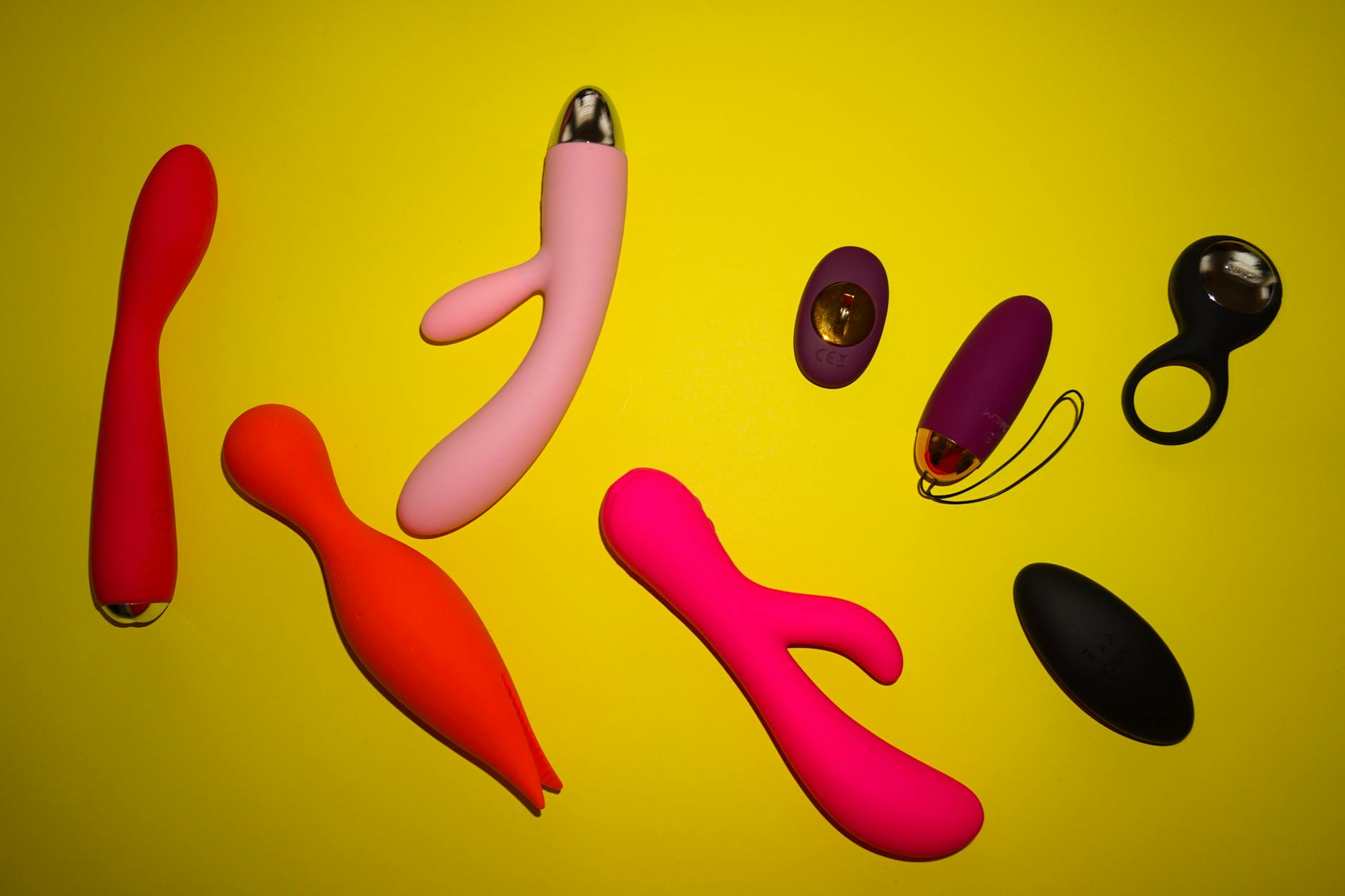
Photo by cottonbro studio on Pexels
What actually happens when you use a lemon vibrator together
Clitoral vibrators work by creating patterns of stimulation that your hand alone can't sustain. The Lem, specifically, uses air-pulse technology. That means suction and release, rather than vibration. It's gentler than traditional vibrators, which matters if you're already feeling sensitive or reactive.
When you're reconnecting after time apart, that gentleness is key. Your body's sensitivity thresholds have shifted. Stimulation that felt great four months ago might feel overwhelming now. A tool designed for sustained, consistent sensation without pressure helps you dial in what your body actually needs in this moment, not what it used to need.
Use it at pattern 1 or 2 initially. Let sensation build. You're not trying to rush to orgasm. You're trying to remember what arousal feels like in your nervous system when your partner is present.
The conversation you need to have first
Don't surprise them with a vibrator. I mean it. That's a surefire way to trigger defensiveness or shame, and you're already navigating enough awkwardness.
Instead, say something like: "I've been thinking about how we rebuild this. I want us both to feel good and not pressured. What if we used a vibrator together? Not because something's missing, but because it takes some of the pressure off and lets us both focus on what feels good."
If they're hesitant, ask why. Is it shame? Is it a privacy concern? Do they feel like it's a reflection on them? Listen. Most hesitation comes from a specific fear, not from the object itself. Once you know the actual concern, you can address it.
If they're into it, great. You're already on the same page.
Physical comfort while reconnecting
A few practical things that matter more when you're rebuilding.
Use more lubricant than you think you need. Time apart means less regular stimulation, which means tissues might be slightly less naturally lubricated. Water-based lube works with any vibrator and eliminates that friction. It's not a sign something's wrong. It's just what bodies need.
Keep the lights at a level where you both feel comfortable. Some couples find that lower light helps ease the vulnerability of being seen after a break. Others find that being able to see each other helps them feel more connected. There's no rule here.
Take breaks. Seriously. You don't need to push toward an orgasm. If sensation starts feeling intense or overwhelming, pause. Touch without the vibrator for a few minutes. Let your nervous system reset. This isn't a race.
What to expect emotionally
You might feel emotional. Some couples cry. Some get the giggles. Some feel relief so intense it catches them off guard. All of this is normal. Your body is processing reconnection, which is vulnerable, which activates feelings.
If you do get emotional, pause the sexual part. Hold each other. Talk if you need to. You're rebuilding something. That's significant.
You might also find that the first time feels a little mechanical. Your brains are still catching up with your bodies being close again. That's okay. By the third or fourth time, the nervous system catches up and things feel more natural.
When to introduce deeper exploration
Wait until you both feel genuinely comfortable with the basic reconnection. That usually takes two to three weeks of consistent, gentle physical contact. Once you're past the "this is weird" phase and into the "this feels good" phase, you can explore patterns and intensity that you might have enjoyed before, or discover entirely new ones.
If desire still feels distant or touch still feels uncomfortable after that window, don't push. Check in with a therapist who specializes in couples work. Sometimes the time apart is a signal that something deeper needed attention. That's not a failure. That's information.
A word on realistic expectations
You will not instantly feel like you did before the break. That version of your intimacy doesn't exist anymore, and that's actually fine. You get to build something new, informed by what you had but not trapped by it.
Some couples find that intimacy actually deepens after a break because they've had to be intentional about reconnection instead of taking each other for granted. The lemon clitoral vibrators and other tools just help smooth that process.
Your pleasure matters in this. So does theirs. And you deserve both.
Frequently asked questions
How long after a break should we wait before trying to be intimate again?
There's no universal timeline, but I typically suggest at least 5 to 7 days of consistent non-sexual physical contact first. That gives your nervous systems time to reset around each other's presence before you layer in sexual touch. If the break was longer (several months), give yourself more time. There's no prize for rushing.
What if one of us is more ready to reconnect physically than the other?
This is incredibly common. The person who's more ready usually feels rejected. The person who needs more time feels pressured. Talk about it explicitly: "I want to move at a pace where we both feel genuinely comfortable, not just willing." Then stick to that. The slower person's pace isn't a problem to solve. It's information about what their nervous system needs.
Can we use a lemon vibrator if we haven't talked about sex toys before?
Yes, but the conversation matters more than the tool. Framing it as "this helps us both feel less pressure and more pleasure" is very different from "I think you need this." One invites exploration. The other triggers defensiveness. Lead with genuine curiosity about what they want, not with a solution.
What if one of us had a sexual encounter during the break?
That's a separate conversation from physical reconnection, and it needs to happen before you try to rebuild intimacy. Betrayal or uncertainty kills arousal. Address the trust piece first. If there's infidelity, you might need a couples therapist to help rebuild before a vibrator or any tool will feel good.
Is using a vibrator a sign we can't do this without it?
No. Using a tool is a sign you're being smart about reconnection. It depressurizes a moment that's already vulnerable. That's not weakness. That's wisdom. Plenty of couples use vibrators regularly and have deeply satisfying intimate lives. The tool doesn't define the relationship. Your commitment to each other does.
How do we know if we're actually ready to be together again?
You're ready when you both want to be present with each other without an agenda. You're not trying to prove anything or fix anything. You're just curious about being close. That's the signal. Everything else follows from that willingness.
Reconnection takes patience and honesty. A lemon vibrator helps smooth the physical part. But the emotional work is all you. And that work is worth it.