
When Your Clitoris Feels Numb or Unresponsive
Let's be real. You touch yourself and feel almost nothing. Or maybe your partner touches you and you have to fake the response because honest feedback would hurt them. That numbness, that absence of sensation where there used to be plenty, is terrifying in a way that nobody really talks about.
Here's what I need you to know first: this is fixable. Your clitoris isn't permanently broken. It's just gone quiet, and there are specific, evidence-based reasons why that happens.
Why your clitoris stops responding
Clitoral numbness falls into a few clear categories, and knowing which one applies to you changes everything.
Nerve compression or irritation. Tight clothing, repetitive friction, or pressure from sitting in certain positions can temporarily numb the nerve endings. This usually resolves in days or weeks once you remove the pressure. If your numbness started after a specific activity (long cycling session, too-tight jeans, aggressive solo sessions), this is probably your culprit.
Medication side effects. Antidepressants, certain antihistamines, and blood pressure medications can dull sensation throughout your body, including the clitoris. This isn't mental. It's your nervous system being medicated into a lower responsiveness. Birth control hormones can do this too, especially if you recently switched formulations.
Reduced blood flow. The clitoris is highly vascular, meaning it needs rich blood supply to swell and respond. Smoking, chronic stress, dehydration, and some cardiovascular conditions reduce that flow. Without adequate blood pooling in the tissue during arousal, you feel less.
Nerve damage from trauma or surgery. This is less common but real. If you've had pelvic surgery, childbirth complications, or experienced sexual trauma, nerve pathways can be damaged or have scar tissue affecting sensitivity. Recovery is possible, and it's slower, but it happens.
Hormonal shifts. Low estrogen, low testosterone, and thyroid imbalances all reduce clitoral sensitivity. This is why some people notice numbness during perimenopause, after stopping hormonal birth control, or during periods of extreme stress (cortisol suppresses sex hormones).
Psychological factors. Anxiety, dissociation, depression, and relationship conflict can create a disconnect between your brain and your body. Your clitoris isn't numb neurologically. Your nervous system is in a protective state and isn't signaling pleasure. This is incredibly common and responds well to the right approach.
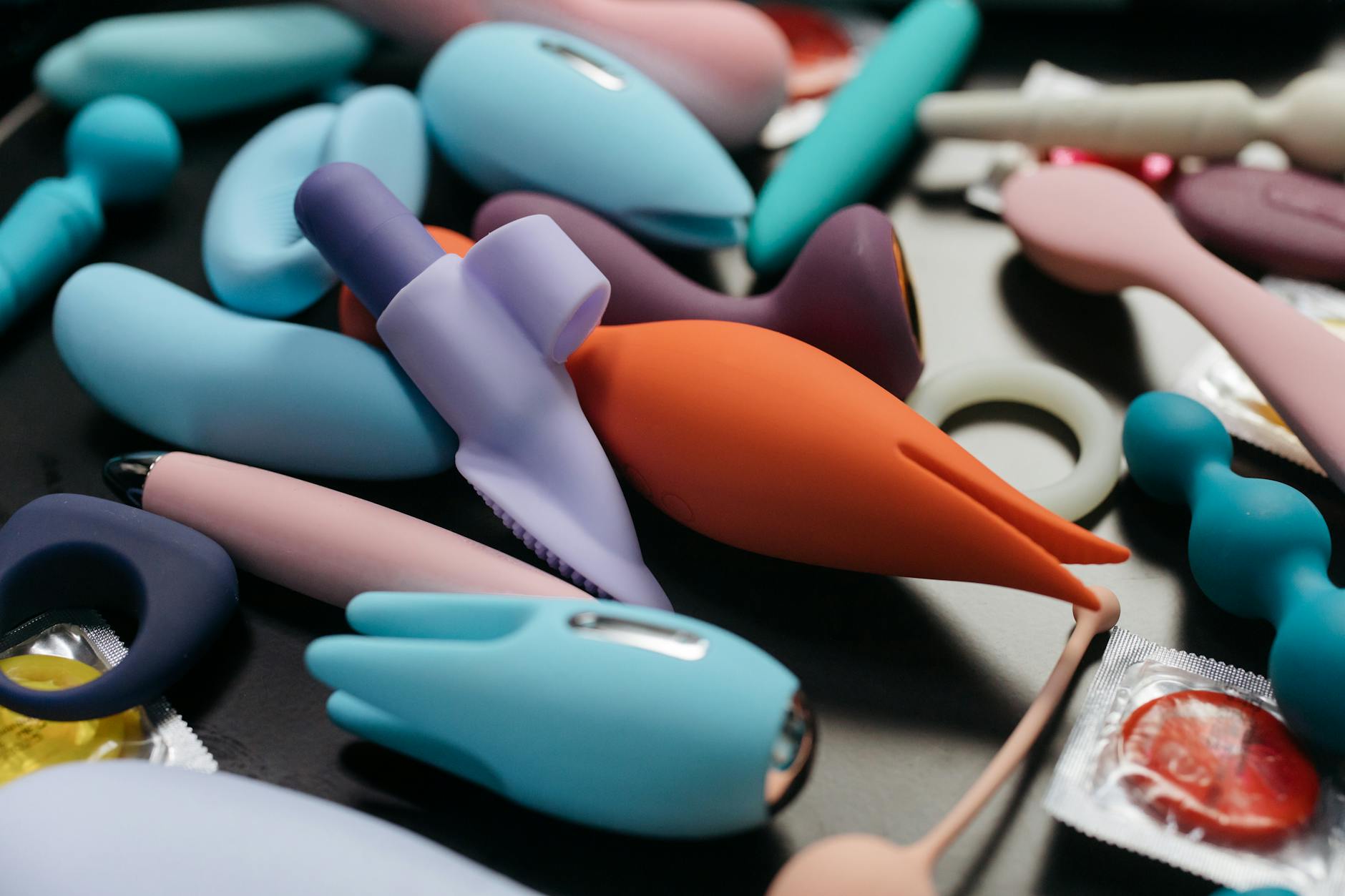
Photo by cottonbro studio on Pexels
Why conventional vibrators sometimes make it worse
This is the part that confused me for years in my practice. A person with clitoral numbness tries a standard vibrator, the sensation still feels muted or even irritating, and they conclude that vibrators don't work for them. The issue isn't vibration itself. It's that most vibrators deliver stimulation in a way that's actually counterproductive when your clitoris is numb.
Traditional vibrators create rapid, repetitive vibration against the tissue. If your clitoris is already desensitized, that stimulation can feel numb or even painful without producing the building pleasure response you need. It's like trying to wake someone up by gently shaking them. Eventually you need a different approach.
A lemon clitoral vibrator works on a completely different principle. Instead of vibration, it uses gentle suction and release cycles that draw blood into the tissue, stimulate the nerve endings through a different sensory pathway, and create a building, responsive sensation. This is called air-pulse technology, and it's game-changing for numb tissue.
The suction creates what's sometimes called a "reverse massage" effect. Instead of vibration pushing into the tissue, suction draws the tissue upward, engaging deeper nerve clusters and creating a different sensory experience. For numb or desensitized clitorises, this often works when traditional vibrators don't.
What happens when you use a lemon vibrator for numbness
First sensation: many people feel a gentle drawing, almost like a soft mouth but with more control. It's not the intense, sharp vibration of a traditional vibrator. It's a pulsing, building sensation.
Over time (usually 3-5 minutes), your clitoris responds by swelling with blood, which increases sensitivity. As sensitivity increases, you start to feel the stimulation more vividly. This is a feedback loop. Suction brings blood, blood increases nerve responsiveness, increased responsiveness makes you want more stimulation.
For numb tissue, this is the key difference. You're not trying to force sensation with higher intensity vibration. You're gradually waking up the tissue's natural responsiveness by improving blood flow and engaging different neural pathways.
How to actually use it when you're numb
Start at the lowest intensity setting. This isn't about proving you can handle maximum power. It's about consistency and patience.
Apply the opening of the lemon sucker directly over your clitoris, making sure you have a good seal. The sensation should feel gentle, almost tender. If it hurts or feels too intense, move to a lower setting or try a shorter pulse duration.
Stay there for 2-3 minutes without moving. The goal in week one isn't orgasm. It's sensation awareness. Notice what you feel, even if it's subtle. Numbness often starts lifting in micro-increments before you feel major changes.
Gradually increase the intensity over sessions as your tissue becomes more responsive. Don't jump from level 2 to level 8 because you're impatient. Your clitoris is waking up, and it needs time to remember how to respond.
Use water-based lube around (not inside) the seal. Lube improves contact and makes the experience more comfortable. It also signals to your nervous system that this is pleasure, not mechanics.
If you're dealing with psychological numbness alongside physical numbness, combining this with breathing work helps dramatically. As you use the lemon vibrator, practice slow inhales through your nose and exhales through your mouth. This activates your parasympathetic nervous system and helps your body shift out of protective mode.
Recovery timeline and realistic expectations
If your numbness is from nerve compression or minor medication effects, you might feel improvement in 2-4 weeks of regular use.
If it's hormonal, you're probably looking at 6-8 weeks, sometimes longer depending on whether you're addressing the underlying hormonal issue (thyroid treatment, medication adjustment, stress reduction).
If it's from trauma or surgery, healing can take months, sometimes years. But I've seen people regain full sensation after believing they never would. It's slower, but it's real.
During this time, don't measure progress by orgasm. Measure it by sensation. Can you feel the suction when you couldn't before? Do you notice any building pleasure, even small? Are you staying present instead of dissociating during the experience? These are the wins that matter.
When to involve a professional
If your numbness appeared suddenly, without obvious cause, see a gynecologist or sex medicine specialist. Sudden clitoral numbness can sometimes indicate a vascular or neurological issue that needs proper diagnosis.
If you suspect medication is the culprit, talk to your prescribing doctor. There are often alternatives or dosage adjustments that preserve your sexual response without sacrificing your mental health treatment.
If the numbness is tied to trauma, working with a trauma-informed therapist alongside self-exploration makes recovery faster. EMDR and somatic therapy are particularly effective for this.
Think of a lemon clitoral vibrator as a tool that works best alongside professional support, not instead of it.

Photo by Frank Schrader on Pexels
The role of patience and self-compassion
One thing I see consistently in my practice: people with clitoral numbness are often hardest on themselves. They feel broken. They panic. They try everything at once and then feel defeated when instant results don't happen.
Your clitoris didn't lose sensitivity overnight, and it won't regain it overnight either. If medication caused it, your body adapted over weeks. Recovery takes time. If it's stress-related, your nervous system went into shutdown for a reason. Coaxing it back out requires consistency and gentleness, not force.
A lemon vibrator is a tool for that process. It's not magic. It's a different way of stimulating your tissue that, for many people, works when other methods don't. Combined with addressing the root cause (medication adjustment, stress management, therapy, hormone optimization), it can be the bridge back to full sensation.
Your pleasure matters. Not eventually. Now. Even if you're starting from numbness, even if recovery feels impossibly slow, showing up for yourself with patience is how you get there.
Frequently asked questions
How long before I feel results with a lemon vibrator if my clitoris is numb?
Most people notice subtle shifts in sensation within 3-5 sessions. Major improvements typically take 4-6 weeks of consistent, 3-4 times weekly use. If you're seeing zero change after 8 weeks, the numbness likely has a root cause (medication, hormonal imbalance, nerve damage) that needs separate treatment. A lemon clitoral vibrator works best alongside addressing that cause, not instead of it.
Can numbness be permanent?
Rarely. Most clitoral numbness is reversible, even if it's from surgery or trauma. Nerve tissue has remarkable ability to rewire itself, a process called neuroplasticity. It's slow, sometimes taking months or years, but it happens. Permanent numbness is usually only truly permanent if there's significant nerve severance, which is uncommon.
Is it bad to use a lemon vibrator if I'm also on antidepressants?
Absolutely not. Many people on antidepressants experience sexual side effects, including clitoral numbness. Using a lemon sucker can actually help counteract that. The air-pulse stimulation often works better for medication-numbed tissue than traditional vibrators. If the numbness is bothersome, discuss it with your prescriber. There are medication switches or additions that can help preserve sexual response without sacrificing your mental health treatment.
What if the lemon vibrator feels irritating instead of pleasurable?
Drop the intensity to the absolute lowest setting, even if it feels almost nothing. You're not pushing through discomfort. Irritation usually means either too much intensity too soon, or possibly a yeast infection or skin sensitivity issue. If lowering the intensity doesn't help after a few sessions, check with a gynecologist. Sometimes numbness masks other issues that need attention first.
Can I use a lemon vibrator with a partner if my clitoris is numb?
Yes, though it depends on the context. If your partner is the one holding it, communication is crucial. Let them know this is about sensation recovery, not performance. Some couples find that using it together, with the partner present and engaged, actually helps with psychological numbness. Others prefer solo exploration first to reconnect with their own body without pressure. Try both and see what feels right.
If my clitoris is numb from hormonal birth control, will switching methods fix it?
Often, yes. Many people regain full sensation within 4-12 weeks of stopping hormonal birth control. Some respond faster. Others take longer depending on how long they were on the hormone and how quickly their body's natural hormones rebalance. A lemon vibrator during that transition can help speed up the reconnection process by improving blood flow and nerve responsiveness while your natural hormones stabilize.
What comes next
Clitoral numbness is your body's way of signaling that something needs attention. That signal, as uncomfortable as it is, is actually an opportunity to understand yourself more deeply.
Start with identifying what might be causing your numbness. Is it recent medication? Stress? Relationship tension? Physical trauma? Often, naming it takes away some of the fear.
Then give yourself permission to explore at a pace that feels safe. A lemon vibrator is a tool designed to work with your body's natural responses, not force them. Used with patience and self-compassion, it often helps rewaken sensation that feels lost.
If you want personalized guidance on your specific situation, reach out to us at /contact. We're here to help.