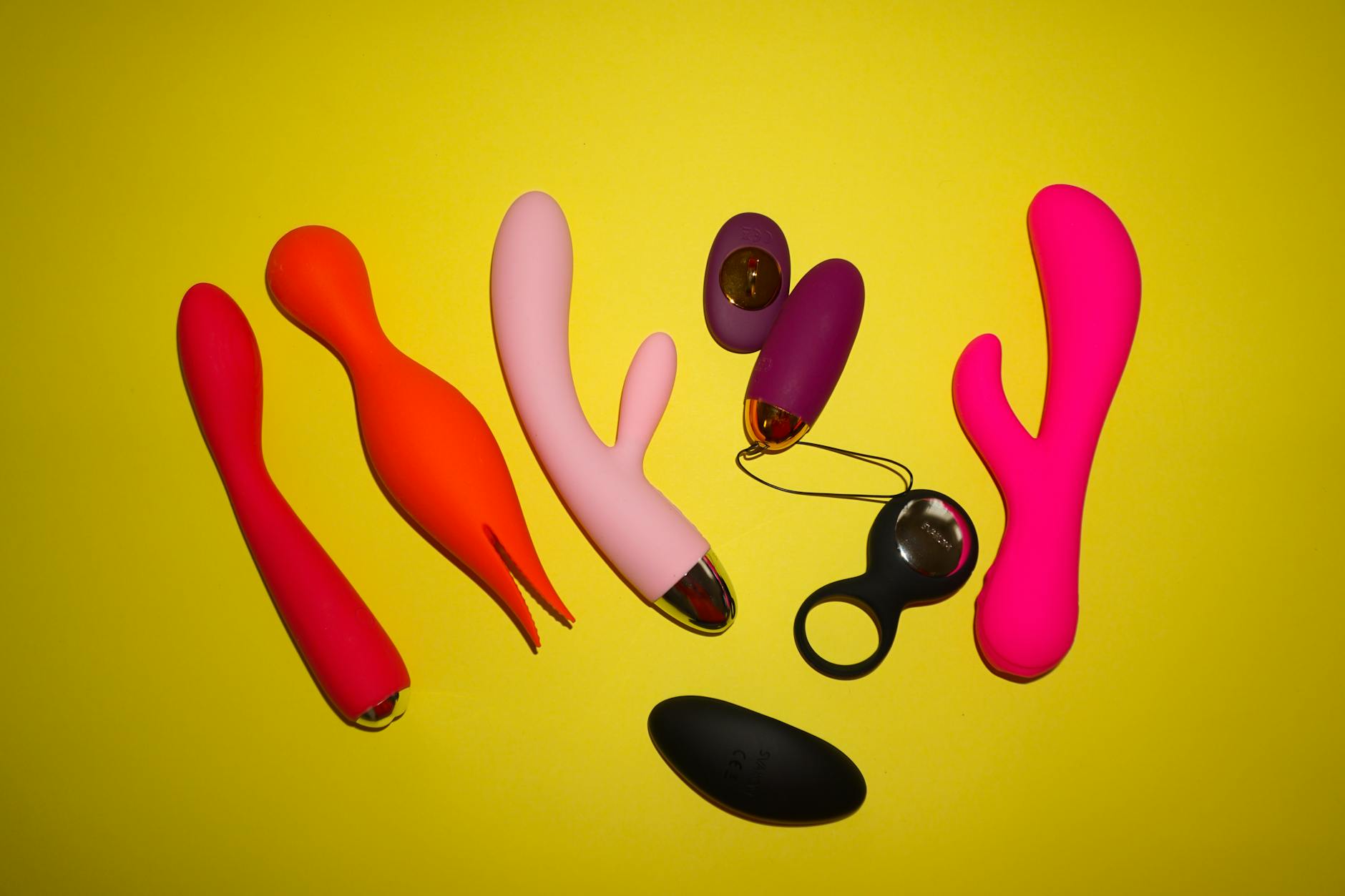
Let's talk about why your vibrator matters
Not all clitoral vibrators work the same way. You could spend sixty dollars on the wrong type and spend months thinking you just don't like vibrators. You're not broken. You probably just picked the wrong technology.
The difference between a traditional vibrator and an air-suction lemon vibrator comes down to physics and sensation. One uses rapid vibration. The other uses gentle suction that creates a subtle pressure wave. They're solving the same problem (intense clitoral pleasure) with completely different approaches.
Here's what you need to know to pick the one that's actually right for you.
How traditional vibrators work
A standard vibrator moves back and forth, usually between 4,000 and 10,000 times per minute. That motion is direct. It stimulates nerve endings through mechanical friction. If you press it against your clitoris, you feel vibration.
There are real advantages to this approach. Traditional vibrators are often cheaper. You can find them everywhere. The sensation is straightforward and doesn't require learning a new rhythm. Many people get excellent orgasms from them within seconds.
The downside: they can feel too intense for some bodies, especially if your clitoris is sensitive or if you're just starting to explore. Direct vibration on delicate tissue can numb you out instead of building pleasure. If you have nerve sensitivity, certain traditional vibrators feel overwhelming before they feel good.
How air-suction vibrators work (and why lemon vibrators are different)
Air-suction technology, like the Lem clitoral vibrator, works through gentle pulsing pressure instead of direct vibration. It creates a seal around your clitoris and then contracts that seal rhythmically. You're not feeling vibration. You're feeling waves of suction that stimulate a wider area of nerve tissue at once.
Think of the difference between tapping someone's arm versus gently squeezing it. Tapping is vibration. Squeezing is suction.
Lem vibrators and other air-suction devices sit in the sweet spot between subtlety and intensity. They build sensation gradually. Your clitoris stays feeling awake and responsive throughout, instead of getting numb. And because the stimulation is broader (it's not just hitting one point), the orgasms tend to feel deeper and more full-body.
For people who find traditional vibrators too sharp or too fast, an air-suction lemon vibrator is often the first device that actually clicks.
Sensation comparison: what you'll actually feel
Traditional vibrators deliver a buzzing, tapping feeling. It's high frequency, often focused on a smaller surface area. The stimulation is immediate and obvious. You know exactly where it is and what it's doing.
Air-suction vibrators feel like a gentle, rhythmic pulsing or soft pulling sensation. The stimulation is broader. It takes a moment to build. The pleasure creeps up instead of hitting all at once.
If you like fast, concentrated stimulation, traditional might be your jam. If you like a slower build, deeper sensation, or want to feel awake during the entire experience, air-suction (like the Lem) is often the winner.
Many people discover they actually prefer the air-suction experience once they try it. It's not that traditional vibrators are bad. They're just a different language for pleasure.
Intensity levels and control
Traditional vibrators usually offer a few speed settings. Turn it on low, medium, or high. That's the whole conversation.
Many lemon vibrators have more sophisticated control. The Lem, for example, offers varied patterns, not just speed changes. You can experiment with different rhythms to find what your body responds to. This might sound like overkill, but it actually gives you more options for exploration without the intensity ceiling of traditional vibrators.
If you want simplicity, a traditional vibrator is less to think about. If you want to play with sensation and experiment, air-suction gives you more knobs to turn.
Noise and discretion
Traditional vibrators tend to be louder because they're basically tiny motors buzzing. If you need something quiet, you're looking for a higher-end model.
Air-suction vibrators are almost silent. The Lem makes barely any noise beyond a soft hum. If discretion matters (roommates, kids, just preference), air-suction wins decisively.
Price and what you're paying for
You can find traditional vibrators from ten dollars to two hundred dollars. The cheap ones often feel cheap and break easily. Mid-range models (thirty to sixty dollars) are usually reliable and worth the money.
Air-suction vibrators start higher. A quality lemon clitoral vibrator like the Lem is typically seventy to ninety dollars. You're paying for the technology, the materials, and the fact that the design is more sophisticated.
Here's the thing: if you spend thirty dollars on a traditional vibrator that doesn't work for your body, you've wasted money and formed the wrong opinion about vibrators. If you spend eighty-five dollars on an air-suction vibrator that matches your sensory preferences, you've probably found your favorite toy.
Material and safety matter
Both traditional and air-suction vibrators should be made from body-safe materials. That means medical-grade silicone, stainless steel, or high-quality plastic. Cheap vibrators use porous materials that harbor bacteria. Good ones are non-porous and easy to clean.
Air-suction vibrators have the added benefit of creating a seal, so they work better with water-based lubricant. Traditional vibrators work with any lubricant type. If you're sensitive to certain lubes or have allergies, this might matter.
Who should choose each type
Pick a traditional vibrator if: you want fast, direct stimulation. You enjoy concentrated sensation. You like simplicity and don't want to fuss with patterns. You're on a tight budget. You've had good experiences with vibration before.
Pick an air-suction lemon vibrator if: direct vibration feels too intense or numbing. You want a longer build to pleasure. You enjoy experimenting with different sensations. You value quiet operation. You're willing to invest in finding your perfect match.
The mixing strategy
Here's a secret: you don't have to pick just one. Some people use a traditional vibrator for quickies and an air-suction device like the Lem for longer, more exploratory sessions. Different tools for different moods.
If you're starting from scratch, I usually recommend beginning with an air-suction vibrator. Why? Because they work for more bodies and preferences. If you discover you actually want sharper, faster stimulation, you've learned something about yourself. Then adding a traditional vibrator makes sense.
Starting with a traditional vibrator and hating vibrators in general is a much more common dead end.
FAQ: What people actually ask about clitoral vibrators
Is air-suction stimulation actually different from vibration, or is it marketing?
It's genuinely different. Suction stimulates a broader area of tissue. Vibration concentrates stimulation in one spot. Your nervous system perceives them as distinct sensations. This isn't theory. People who are numb to traditional vibrators often respond immediately to air-suction devices. That's not a placebo effect.
Can you use both types with a partner?
Absolutely. Some people like a vibrator during partnered sex. Some don't. Your preference is valid either way. Communication is the actual tool that matters.
How long do these last before they break?
A quality vibrator (traditional or air-suction) lasts several years with proper care. Cheap vibrators die within months. The Lem and similar air-suction devices are built to last because they have fewer moving parts. Traditional vibrators wear out faster if they're used daily.
Is there a learning curve with air-suction vibrators?
Not really. You turn it on and place it where you want stimulation. It might take a moment to find the right angle. That's it. If anything, they're easier to use than traditional vibrators because you're not trying to balance pressure and speed.
Do clitoral vibrators work for everyone?
Most people with a clitoris will orgasm from the right vibrator. But everyone's wiring is different. Some people find external vibration doesn't work for them, and that's okay. If you try something and it doesn't click, that's data, not failure.
What about lemon sucker toys compared to other air-suction designs?
The principle is the same across air-suction devices, but design matters. Some models have better seal quality. Some have more intuitive controls. The Lem is popular because it hits all those notes. But there are other quality options too. The Lemon Vibrators Complete Buyer's Guide has more details on specific models.
The bottom line
Traditional vibrators are excellent devices. They work for millions of people. But they're not the only option, and they're definitely not right for everyone.
Air-suction lemon vibrators like the Lem approach clitoral pleasure from a completely different angle. For some bodies and preferences, that angle is exactly right. For others, traditional is still the winner.
Your job is to know yourself. Do you like sharp, fast sensation or slow, building pleasure? Direct stimulation or broader waves? Loud or silent? Budget or investment?
Answer those questions honestly, and you'll pick the right technology. Your pleasure is worth that small amount of thought.
If you want to explore more options and see detailed comparisons, the Lemon Vibrators Complete Buyer's Guide walks through specific recommendations by body type and preference. Start there if you're still unsure.