Here's what nobody tells you about pleasure after pelvic surgery
Pelvic surgery changes things. A hysterectomy, bladder repair, endometriosis excision, or prolapse treatment isn't just physical recovery. It's a renegotiation with your own body about what feels safe, what feels good, and when you're actually ready to feel either of those things. Most people get a surgical clearance at six weeks and absolutely no guidance on what that clearance actually means for pleasure.
I work with people rebuilding intimacy after major body changes, and this is one of the clearest divides I see: medical clearance and emotional readiness are not the same thing. Your surgeon says you're healed. Your body might be saying something different. And that's completely normal.
The physical timeline matters more than you think
Surgical clearance typically comes at four to six weeks for vaginal surgeries, six to eight weeks for open procedures. That timeline is based on wound healing and structural repair. It does not account for nerve sensitivity, scar tissue behavior, or psychological readiness. Here's what's actually happening in your body during that window.
Days 1-7: Active inflammation. Pain is expected. Nothing goes near your pelvic area except prescribed care.
Weeks 2-4: Scar tissue begins forming. Nerves are waking up, often in uncomfortable ways. Phantom sensations, tingling, and sharp twinges are common. This is your nervous system learning the new landscape.
Weeks 5-8: Most of the structural healing is complete. But nerve sensation is still reorganizing. You might feel numbness in places that used to be sensitive, or hypersensitivity in unexpected areas. This is where many people try to resume sexual activity and find it doesn't feel the way they remember.
Months 3-6: Remodeling happens. Nerves continue integrating. Scar tissue softens. Many people report that month four or five is when sensation actually returns to normal, despite having clearance weeks earlier.
Why a clitoral vibrator changes the game during recovery
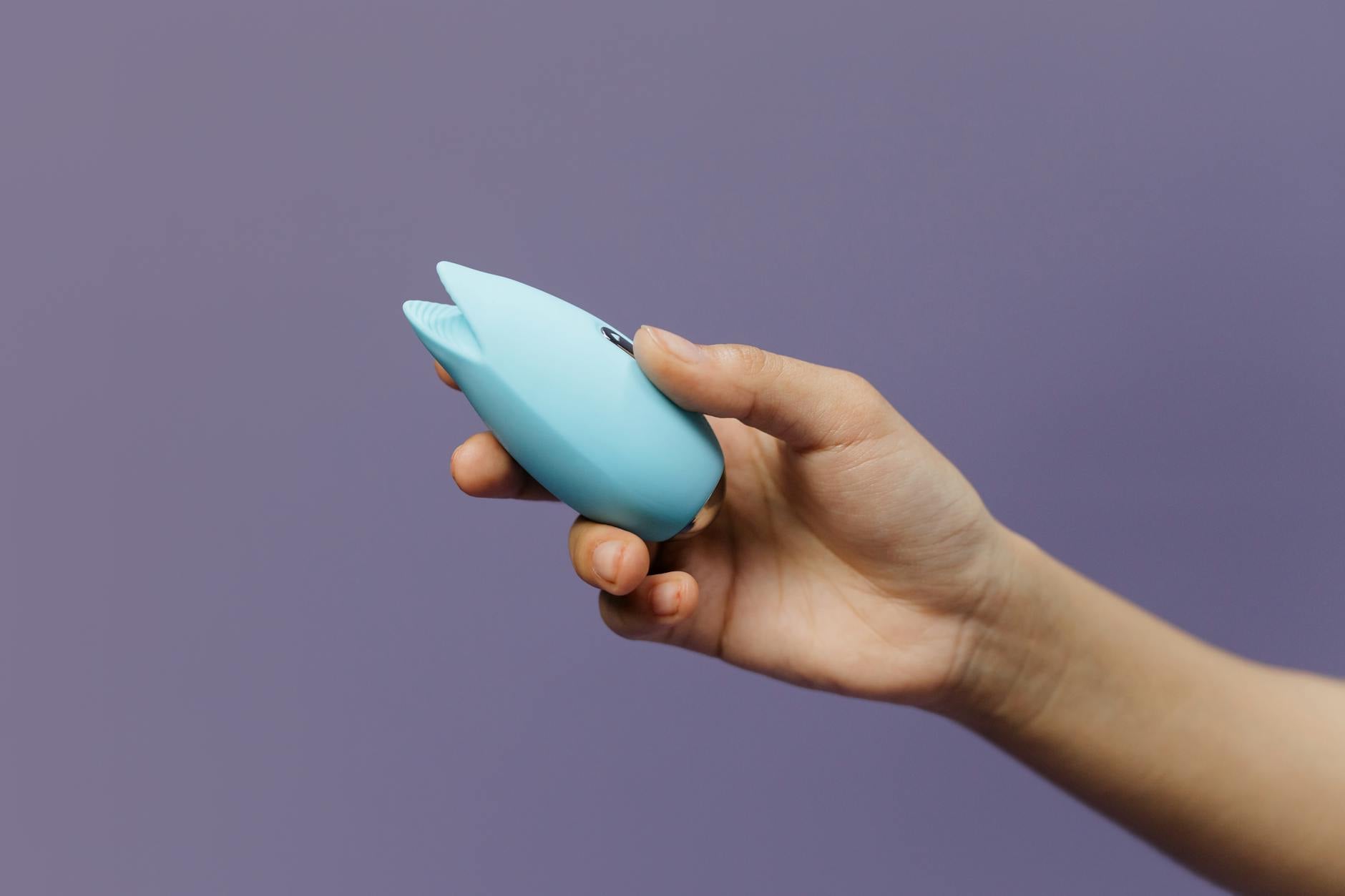
When you're post-op, direct friction feels risky. Penetration triggers anxiety. The clitoris, though, sits far enough from most surgical sites that gentle external stimulation works differently. A lemon vibrator or other clitoral suction toy works through gentle pressure rather than friction. That distinction matters enormously.
Here's why: suction stimulation doesn't require the same tissue friction that traditional vibration does. The Lem, for example, uses air-pulsing technology instead of direct buzzing. This means you get clitoral stimulation without the physical pressure on healing tissues. The sensation travels through nerves, not mechanical pressure, which is infinitely gentler on post-surgical tissue.
Many people who can't tolerate vibration yet find that air-pulse devices feel doable, almost intuitive. It's not the same as penetration. It's not pushing on anything. It's just a gentle rhythm of pressure and release.
Recognizing when your body is actually ready
Forget the six-week marker. Here are the real signals your body is ready to explore pleasure again. All of these need to be true.
No sharp pain with normal movement. Mild discomfort is normal. Sharp, stabbing pain is a stop sign. If you wince getting out of bed or walking up stairs, your tissues aren't ready for additional stimulation.
Numbness is fading, not worsening. Some post-operative numbness is expected and normal. You're looking for gradual improvement. If numbness is spreading or intensifying, tell your surgeon before you try anything new.
You can touch the area without panic. Not pleasure, just touch. If gentle pressure to the external area still triggers fear or pain, readiness isn't here yet.
You're sleeping better and pain meds are optional. Pain medication dulls sensation. If you're still on regular pain medication, your system is still in recovery mode. Once you're off them (with your doctor's approval), you'll actually feel what's happening and can respond to it honestly.
At least three months have passed, ideally four. I know the guidelines say six weeks. Realistically, most people's nervous systems need longer. If you're at eight or twelve weeks and still feeling uncertain, that's not weakness. That's actually your body giving you information.
How to actually restart: the approach that works
Start solo. No partner pressure, no performance expectation, no timeline. Solo exploration lets you feel what's different without anyone else's presence complicating the data.
Begin fully clothed. Seriously. Get a lemon clitoral vibrator, keep your clothes on, and explore it through fabric. This is low-stakes sensation mapping. You're learning what intensities feel okay, what speeds feel weird, what your nervous system can tolerate. There's zero genital exposure, zero surgical site concern.
Add lube before direct contact. Water-based lubrication makes everything gentler. It reduces friction, which is exactly what you need. Even though a clitoral vibrator like the Lem isn't penetrative, lube still matters because it buffers any sensation that feels too intense.
Start at the lowest setting. If the device has intensity levels, begin at one or two. Let your body acclimate. You can build intensity once your nervous system says it's safe. Many people find that what felt perfect pre-surgery feels overwhelming post-surgery, at least for a few months.
Keep sessions short. Five to ten minutes is plenty. You're not trying to finish or achieve anything. You're gathering information about what your body can feel and tolerate. If fifteen minutes in you're feeling tense or it stops feeling good, stop. This isn't about pushing through.
What to watch for that means slow down
Sharp pain anywhere in the pelvic region. Not pressure, not heaviness, not discomfort. Sharp pain means something isn't healed yet. Stop immediately and mention it to your surgeon at your next visit.
Increased discharge or bleeding. A little spotting is sometimes normal during early healing. Sustained bleeding or sudden increase means tissues are being stressed. Back off.
Increased swelling or firmness in the surgical site. Swelling usually decreases as recovery progresses. If you notice it ramping up after activity, that's your body saying it wasn't ready for that yet.
Anxiety that doesn't fade. Psychological readiness is real. If you're in constant anticipatory dread even before you start, your nervous system isn't ready. That's not failure. That's information. Give it more time.
Rebuilding sensation with your partner, if you have one
If you're in a relationship, communication is non-negotiable here. Your partner needs to understand that post-surgical pleasure is a slow rebuild, not a return to the way things were. It's genuinely different, at least for a while.
Involve them gradually. Once you've had a few successful solo sessions and feel stable, your partner can be present for the next exploration. That doesn't mean penetration. That means they're in the room, maybe they're touching you somewhere non-surgical, maybe they're watching you explore with a lemon clitoral vibrator. The point is integration, not performance.
Many couples find that this period, handled well, actually deepens intimacy because the recovery demands honesty. You can't fake readiness. You can't pretend something feels good when it doesn't. You have to actually talk about what your body needs.
FAQ: Your actual post-op pleasure questions answered
How long until penetration feels normal again? That depends on the surgery type, but expect eight to twelve weeks minimum for comfortable penetration, and often longer before it feels genuinely pleasurable. Some people need four to six months. That's not unusual.
Can I use a lemon vibrator if I'm still in pain? Only if the pain is mild discomfort, not sharp pain. Mild discomfort with activity is normal healing. Sharp pain is a signal to stop. If you're regularly in pain, you're not ready yet.
Will my sensation ever be the same? Probably not identical, but often better. Nerve reorganization after surgery sometimes creates more responsive sensitivity than before. It's different, often in good ways, but it takes time.
What if my surgeon cleared me but my body doesn't feel ready? Trust your body. Medical clearance is necessary but not sufficient. Your nervous system and your surgeon have different information. Both matter.
Is a clitoral vibrator safer than other toys after surgery? Generally yes. Suction-based clitoral stimulators like the Lem avoid direct internal pressure and friction. That makes them gentler during healing than penetrative toys or high-intensity vibration.
Can my partner use a vibrator on me, or should I always do it solo? Start solo so you know what feels safe. Once you're comfortable, partner involvement is fine. The key is going slowly enough that you can actually report what you're feeling moment to moment.
How do I know if scar tissue is causing problems? Some tenderness around scars is normal during healing. Increasing pain, tightness that worsens over time, or pain that only happens with sexual activity after months of recovery might indicate scar tissue concerns. Worth mentioning to your gynecologist.
The bigger picture: pleasure is part of healing
Reclaiming pleasure after pelvic surgery isn't frivolous. It's part of reclaiming your body, your autonomy, and your sense of yourself as someone who deserves to feel good. That process needs patience, clarity, and permission to move at your own pace. A lemon clitoral vibrator can be part of that reclamation because it's gentle enough for vulnerable healing tissue but responsive enough to actually feel like pleasure.
You're not behind if you're not ready at six weeks. You're not weak if you need longer than you expected. You're gathering information about your new body, and that's exactly what healing looks like.
If you have questions beyond what we've covered here, reach out. We're here to help navigate this kind of transition without judgment or rushing.