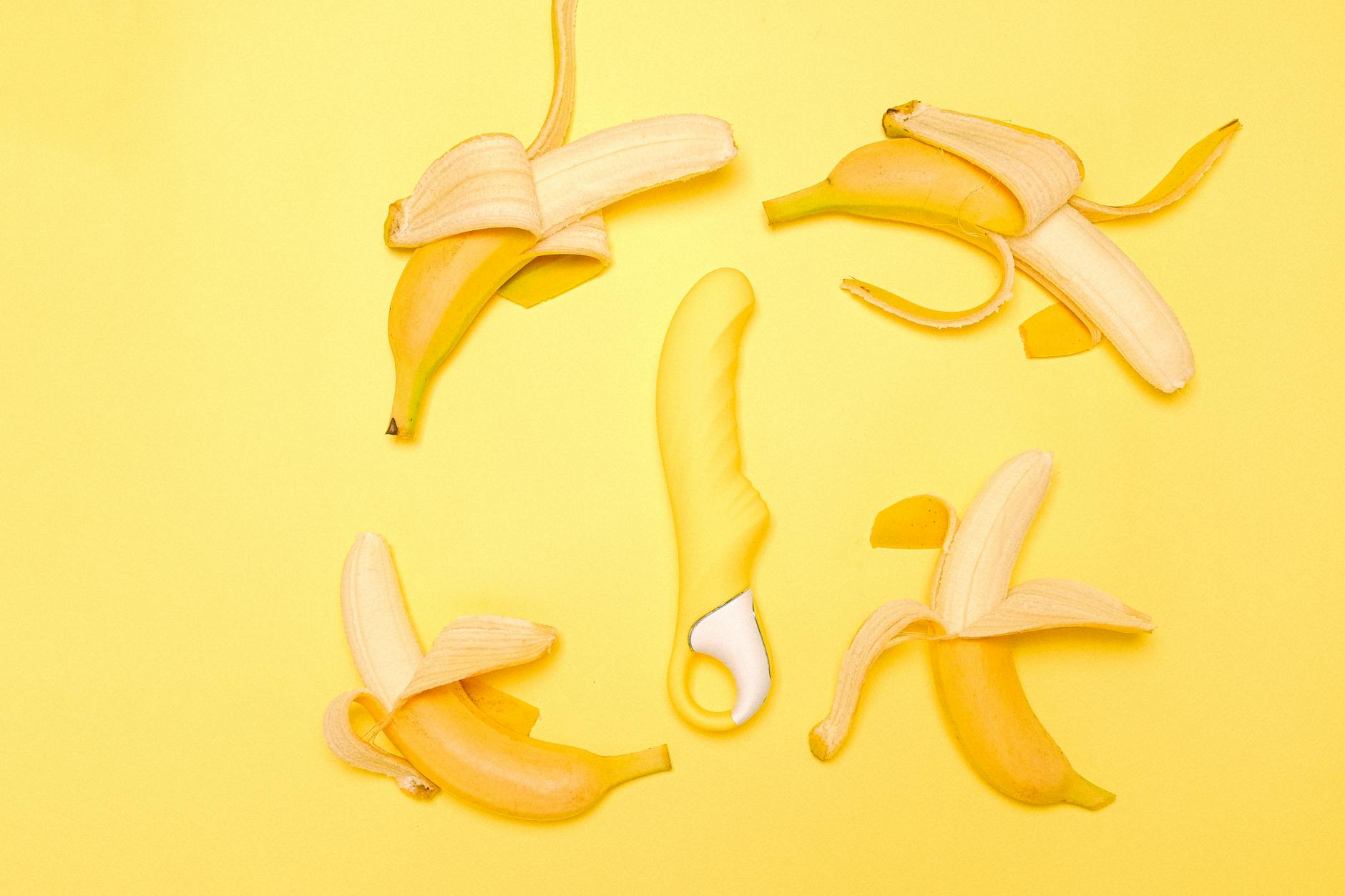
Let's talk about the part nobody mentions
Most people think lube is optional. It's not. Especially with clitoral vibrators, lubrication changes the entire experience, and for sensitive tissue, it can be the difference between pleasure and discomfort. Here's what I tell clients: if your clitoris feels irritated, raw, or overstimulated during or after using a lemon vibrator, the problem isn't the toy. It's usually friction.
Your clitoris is delicate. It has more nerve endings per square inch than almost any other part of your body, and that sensitivity is a feature, not a bug. But it means the surface tissue can get irritated fast, especially if you're using a suction-style toy like the Lem or any clitoral vibrator without proper lubrication.
Why lubrication matters more than you think
When you use a lemon sucker or any clitoral vibrator on dry tissue, you're creating friction. That friction feels intense, yes, but it's not sustainable intensity. It's the kind that leaves you sore, sensitized, or unable to feel pleasure the next time you want to use the toy.
Lube changes the mechanics. It creates a protective barrier between the toy and your skin, which means the vibrations and suction travel through a layer of moisture instead of directly against tissue. This does two things at once: it makes the sensation feel richer and less sharp, and it prevents the microabrasions that cause soreness.
For people with sensitive clitoral tissue, this isn't a nice-to-have. It's foundational. I've had countless clients report that adding lube to their routine transformed a toy from "too intense" or "leaves me sore" to "this is exactly what I needed."
Water-based lube is the safest bet
Here's the rule: if you're using any silicone toy, water-based lube is your only choice. Silicone-based lubes break down silicone, period. They make the toy tacky, they can degrade the surface, and they're not worth the risk.
Water-based lubes are body-safe, compatible with every material, and they come in dozens of formulas. Some are thin and watery (great for sensitive tissue because they don't create excess drag). Some are thick and creamy (good if you prefer more cushioning). Some have glycerin (which can feed yeast infections in some people, so skip it if you're prone to them). Some are hypoallergenic for ultra-sensitive skin.
The lube you choose matters. A lube that feels right for one person might feel wrong for another. I usually tell people to start with a basic, fragrance-free option. No glycerin, no warming sensation, no "tingle" additives. Just water, a thickening agent, and a preservative. Once you know what basic feels like, you can experiment.
How much lube is too much
Underusing lube is the most common mistake. People dab a tiny amount on the toy and expect it to work. That's not enough. You need enough that it stays on the toy as you use it, not so much that it makes the toy slip around uncontrollably.
Start with about a quarter-sized amount on the head of the vibrator. If it feels like you're losing lubrication as you use it, add more. Your clitoris will tell you what it needs. If the toy is skipping around or feels like it's diving instead of gliding, you have too much. If it starts to feel dry or sticky, you need more.
One thing that helps: reapply lube every three to five minutes during a solo session. It dries out, especially if you're using the toy for longer periods. This isn't complicated. It's just part of the rhythm.
Sensitive tissue needs a gentler approach
If your clitoris is particularly reactive, consider starting on a lower intensity level, even with lube. The Lem vibrator has multiple settings for exactly this reason. The suction at level one feels completely different from level three. Lube plus lower intensity plus slower pace equals a much gentler experience that still delivers intense sensation.
Pause between sessions, too. If you use a clitoral vibrator daily, your tissue can become overstimulated. You don't need to stop entirely, but cycling between daily use and every-other-day can help keep sensitivity from building up.
The texture of lube matters more than you'd think
Some people find that thin, watery lubes feel too light. They dry out fast, and the toy can feel a bit scratchy. For sensitive tissue, thicker lubes sometimes feel better because they stay in place longer and provide more of a cushion.
Other people find that thick lubes feel goopy and interrupt sensation. They prefer thin lubes because they feel more natural and let them feel the toy's movement clearly.
There's no universal answer. But if you have sensitive tissue, I'd suggest starting with a medium-thickness water-based lube. It's a sweet spot. It stays on the toy long enough to protect tissue, but it's not so thick that it mutes sensation.
When to use lube even if you think you don't need it
Listen, some people naturally produce plenty of natural lubrication and feel like they don't need extra. That's fair. But even if you don't, there are moments when adding lube helps. If you're using a clitoral vibrator for longer than ten minutes, your natural lube may decrease, and friction can build. If you're stressed, tired, or haven't had much foreplay, natural lubrication might be low. If you're on medications that dry you out (antihistamines, SSRIs, certain birth controls), you might need lube even if you normally don't.
Treat lube like you'd treat water during a workout. You might not feel thirsty, but that doesn't mean you don't need it.
Lube and partners
If you're using a lemon vibrator with a partner, lube becomes even more important. Partners often apply more pressure than you would on yourself, which increases friction and discomfort. Starting with lube sets a tone of care and consideration. It also helps your partner understand how to touch you without causing irritation. They can feel when the lube is decreasing and reapply it without you having to ask.
Storage and hygiene
Once you add lube, you're creating a damp environment. Rinse your toy immediately after use. Let it dry fully before storing it. If you're storing it in a case or bag, make sure it's completely dry first, or you risk mold or bacteria growth.
Lube bottles should be kept in a cool, dry place. Check expiration dates. Water-based lubes can last a year or more if sealed, but once opened, they're good for about six months. If it starts to smell off or get slimy, toss it.
The FAQ section
Can I use saliva as lube for a clitoral vibrator?
Technically you can, but I wouldn't recommend it as your main solution. Saliva isn't designed to last long, it dries quickly, and it doesn't provide the sustained protection that commercial lube does. If you're in a pinch and that's all you have, fine. But if you're using a lemon vibrator regularly, especially with sensitive tissue, invest in actual lube. It's ten dollars and lasts months.
Does water-based lube work with the Lem vibrator?
Absolutely. The Lem is silicone, so you must use water-based lube. Water-based lube actually enhances the suction sensation because it creates a smoother seal and more controlled sensation. It's the ideal pairing for any lemon clitoral vibrator.
What if I'm allergic to most lubes?
Start with the simplest formulas possible. Look for lubes with only four or five ingredients: water, a thickener like hydroxyethyl cellulose, glycerin-free if you're sensitive to yeast, and maybe vitamin E. Brands that market to sensitive skin are often a good bet. You could also ask your gynecologist for a recommendation based on your specific sensitivities.
Can I use too much lube?
Technically, yes. Too much creates a slippery situation where the toy slides around instead of staying in contact with your tissue. But honestly, most people undershoot. Start with what feels like too much and adjust down. It's easier than reapplying repeatedly.
Does lube reduce sensation from a lemon sucker?
No. This is the myth I hear most often. Lube doesn't reduce sensation. It changes the type of sensation. Without lube, friction dominates and can feel sharp or overwhelming. With lube, you feel the suction and vibration more clearly because they're not competing with discomfort. For sensitive tissue especially, lube amplifies the good sensations and reduces the painful ones.
Is silicone lube ever okay with a lemon vibrator?
No. Silicone lube breaks down silicone toys. Even if it feels nice, it will degrade your toy over time. Stick to water-based. There are plenty of options that feel amazing without risking your investment.
The bottom line
Lubrication isn't an afterthought. For anyone using a clitoral vibrator, especially if you have sensitive tissue, lube is part of the foundation. It protects you, it enhances sensation, and it makes the entire experience more sustainable.
Start with a basic water-based lube, use enough to protect tissue without excess, reapply as needed, and pay attention to how your body responds. If you're experiencing soreness, irritation, or that overstimulated feeling after using a lemon vibrator, lube is often the answer.
Your pleasure matters. So does your comfort. Lube makes both possible at the same time. If you have questions about what lube might work best for your body, or if you're struggling with sensitivity during toy use, reach out. We're here to help you figure this out.
Ready to explore further? Check out our buying guide for a deeper look at choosing the right toy for your needs, or learn how to use a lemon vibrator for maximum pleasure and comfort. If you're navigating this after a relationship change, we also have guidance on rebuilding intimacy after relationship transitions.