Why Lemon Vibrator Intensity Feels Different Over 40
Let's be real: if you've been using a lemon clitoral vibrator for years and suddenly setting 3 feels like setting 7, your device isn't broken. You're not broken either. Your hormone levels just shifted in a way that's rewiring how your body responds to stimulation.
This post walks through what estrogen actually does to clitoral tissue, why vibrator intensity feels different as you cross 40, and how to recalibrate your experience without abandoning the device you love.
What estrogen does to clitoral sensitivity
Estrogen isn't just about reproduction. It directly affects blood flow, nerve density, and tissue thickness in your clitoris. When estrogen is high, your clitoral tissue is plumper, more vascularized, and more responsive to stimulation. The nerve endings fire faster. Arousal builds quicker. A setting that felt manageable at 35 might feel gentle at 40.
Then estrogen drops. This happens gradually during perimenopause (which can start in your 40s, sometimes earlier) and continues after menopause. The clitoral tissue thins slightly. Blood flow decreases. Nerve sensitivity changes, but not always in the direction you'd expect.
Here's where it gets counterintuitive: lower estrogen sometimes makes sensation sharper, not duller. The tissue is more delicate, so the same vibration pattern can feel more intense because there's less padding. You're not imagining that your lemon vibrator feels stronger. The architecture of your clitoris has literally changed.
Why vibrator settings feel unpredictable now
Three physiological shifts happen simultaneously:
1. Tissue thickness changes. Estrogen keeps epithelial tissue (the outer layer of your clitoris) plump and flexible. When estrogen drops, that tissue thins. Thinner tissue means vibrations transmit more directly to nerve endings instead of being absorbed and diffused across thicker tissue. The same vibration pattern can feel sharper or more intense.
2. Lubrication patterns shift. Your clitoris depends on blood engorgement to become fully erect during arousal, just like a penis does. Lower estrogen means slower blood flow, which means slower engorgement. It takes longer to build arousal, which means you might feel like a vibrator is "too intense" when actually you're just not fully aroused yet.
3. Nerve signal timing changes. Estrogen influences neurotransmitter production and nerve receptor sensitivity. Your clitoris might need different warm-up time, different pattern rhythms, or different baseline intensity to reach the same pleasure response. It's not that you've lost sensitivity. You've shifted it.

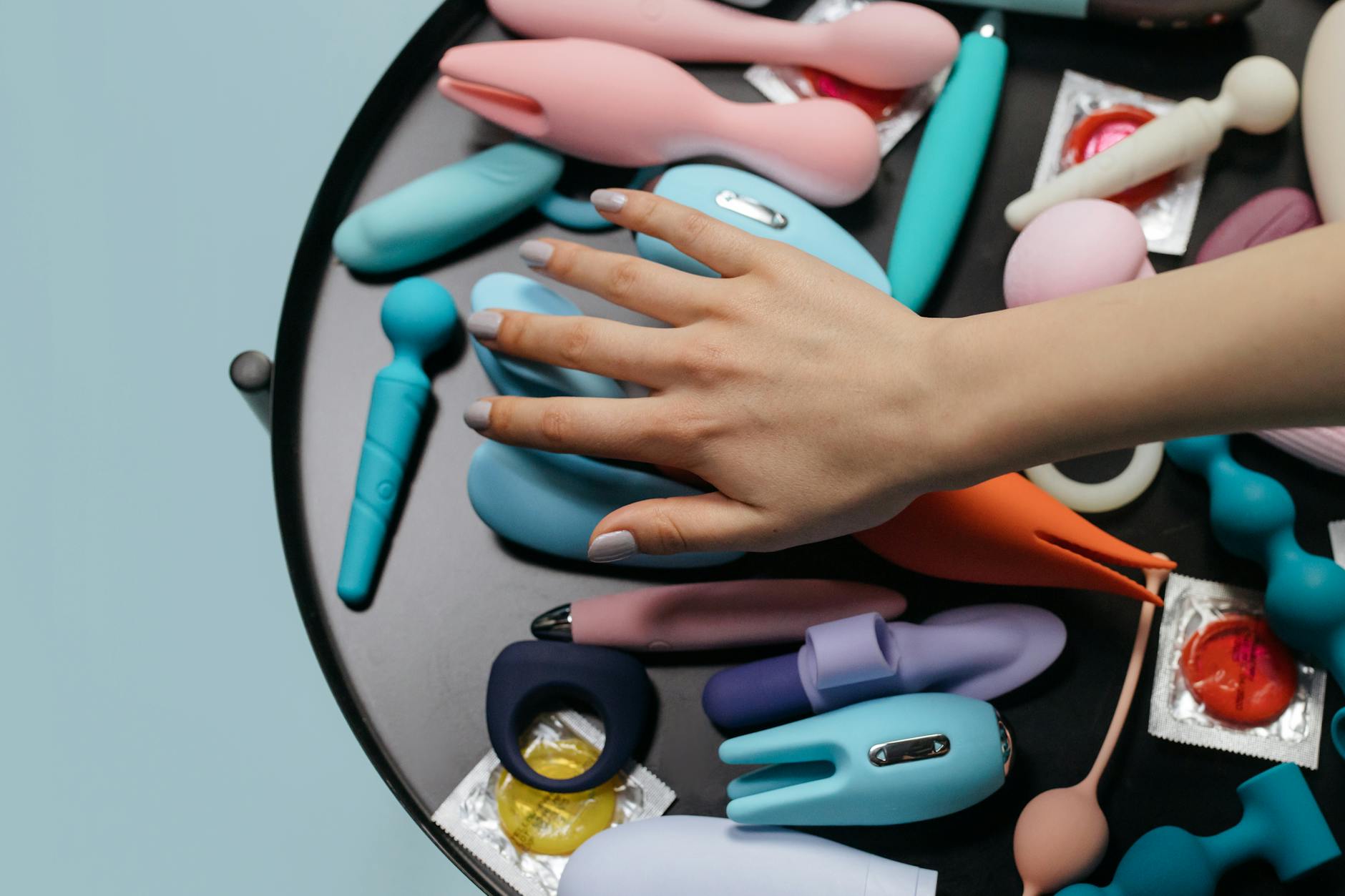
Photo by Ron Lach on Pexels
How perimenopause and postmenopause feel different with a lemon vibrator
If you're in perimenopause (the 4-10 year window before your last period), fluctuation is the dominant theme. Estrogen isn't steadily declining. It's bouncing around like a defective thermostat. This means your vibrator experience can vary wildly cycle to cycle. Some weeks setting 4 on your lemon vibrator feels perfect. Other weeks it feels like too much.
This is maddening, but it's also temporary. Once you hit postmenopause (12 months with no period), estrogen levels plateau at their new lower baseline. Your body adjusts. Your vibrator experience stabilizes again, though at a different baseline than before.
Many people report that once they adapt to postmenopause, they find a better rhythm with vibrators like the Lem. The tissue is more stable. You're not battling hormone swings. Arousal becomes more about intention and less about biochemical chance.
The warm-up problem you didn't know you had
Here's something I hear constantly from people over 40: "My vibrator used to work immediately. Now I need 10 minutes just to get ready for it."
That's not a patience problem. That's a blood-flow problem. Slower clitoral engorgement means you can't go from zero to stimulation the way you could at 30. Your clitoris literally needs more time to fill with blood and become erect.
The fix is unsexy but powerful: lengthen your warm-up. Use your hands, a partner's mouth, or a lower vibration setting for 10-15 minutes before moving to the intensity you actually want. You're not building arousal. You're building engorgement. Once your clitoris is fully erect, a lemon vibrator becomes accessible again at settings that felt impossible two minutes earlier.
This isn't failure. It's a rhythm change.
When intensity feels genuinely uncomfortable (not just different)
There's a difference between "this pattern feels stronger than it used to" and "this actually hurts." If you're experiencing pain or sharp discomfort where there wasn't any before, that's worth paying attention to.
Genitourinary syndrome of menopause (GSM) is common and involves actual tissue inflammation and thinning. If your clitoris feels raw, if there's stinging during or after vibrator use, or if you're seeing any spotting or irritation, see a gynecologist or menopause specialist. This isn't something to white-knuckle through. Topical estrogen creams can resolve it in weeks, and then vibrators feel comfortable again.
If sensation is just sharper but not painful, that's usually recalibration, not pathology. You can work with it.
Practical recalibration steps
If your lemon vibrator suddenly feels too intense, here's what actually helps:
Start two settings lower than your old baseline. Not one setting. Two. Give your body a few weeks at this new baseline before experimenting upward. Your nervous system needs time to recalibrate what "normal" feels like.
Experiment with patterns, not just intensity. Sometimes a lower-intensity pattern with more rhythm variation feels better than high steady intensity. The Lem has multiple patterns for this reason. Try cycling through them.
Double your warm-up time. Fifteen minutes of manual or oral stimulation before introducing the vibrator. This isn't foreplay. This is infrastructure. Your clitoris needs time to engorge.
Use lubrication even if you don't think you need it. Thinner clitoral tissue benefits from external lubrication. Water-based lube is safest with silicone toys. A small amount changes how sensation transmits through tissue.
Check your pelvic floor tension. Ironically, lower estrogen can make your pelvic floor tighter, not looser. If your pelvic floor muscles are clenching, vibration can feel sharper instead of pleasurable. Pelvic floor relaxation (not just kegels) helps. Deep breathing during stimulation matters.
What doesn't change
Your ability to orgasm. Your capacity for pleasure. The clitoral nerve density. Your brain's wiring for arousal and satisfaction. None of that disappears just because estrogen dropped.
What changes is access. The path to pleasure takes a different route. Slower blood flow, different tissue response, new warm-up timing. But the destination is still there. Often richer than before because you're not fighting hormonal chaos anymore.
FAQ: Lemon vibrators and estrogen after 40
Why does my lemon clitoral vibrator feel different after 40 if nothing physically changed?
Something did change: your estrogen levels. Estrogen directly affects blood flow, tissue thickness, and nerve receptor sensitivity in your clitoris. Lower estrogen means thinner tissue, slower engorgement, and different nerve signal timing. Your vibrator hasn't changed, but the biological landscape it's stimulating has. This isn't imaginary.
Can a lemon vibrator still work well after menopause?
Absolutely. Many people report their best vibrator experiences after menopause, once hormone levels stabilize. The adjustment period (perimenopause) is chaotic. But once you're fully postmenopausal, you adapt, find a new baseline, and often discover deeper pleasure because you're not fighting monthly hormone swings. Give yourself time to recalibrate.
Should I switch to a different vibrator now that I'm over 40?
Not necessarily. You might just need to relearn your device at a new intensity level, with longer warm-up time. The Lem suction technology is actually ideal for postmenopausal bodies because it stimulates without requiring the same direct friction that can feel too intense on thinner tissue. Switching devices often makes things more complicated, not simpler. Stick with what you know. Recalibrate the intensity first.
Is it normal for vibrator intensity to feel unpredictable in my 40s?
Completely normal if you're in perimenopause. Your estrogen is fluctuating, not declining steadily. Some weeks your clitoris is plumper and less sensitive to vibration. Other weeks the same setting feels sharp. This chaos usually settles once you hit postmenopause. Until then, try to track patterns across your cycle.
Does topical estrogen affect how vibrators feel?
Yes. If you're using vaginal or vulval estrogen cream to manage genitourinary syndrome, you might notice your vibrator experience shifts as the tissue thickens again. Give yourself a week or two to readjust. You might be able to return to your previous intensity settings, or you might find a new sweet spot somewhere in between.
What if my vibrator still feels too intense even after warm-up and lowering the setting?
Check three things: whether you have GSM (see a doctor; it's treatable), whether your pelvic floor is holding tension (practice relaxation, not just strengthening), and whether you're giving yourself enough warm-up time (10-15 minutes minimum). If all three check out and intensity still feels wrong, talk to a menopause specialist or sex therapist. Sometimes nerve sensitivity changes are part of larger hormonal shifts that benefit from professional support.
The bigger picture
Your body after 40 is not a downgrade. It's a remix. The clitoral vibrator you loved at 30 still works brilliantly at 50. It just needs you to meet it differently. Longer warm-up. Lower starting intensity. More patience. Different rhythm.
This is actually an opportunity. Once you stop fighting your body and start learning how it actually works now, you often find pleasure deeper and more reliable than when it was running on autopilot. Your lemon vibrator isn't the problem. The mismatch between how you used to stimulate yourself and how your body needs to be stimulated now is the problem. Close that gap, and everything clicks.
If you're navigating this shift and need support, there's no shame in reaching out. Whether it's recalibrating with a partner, understanding your body's changes, or just getting reassurance that what you're experiencing is normal, I'm here to help.