When life happens, intimacy goes missing
Let's be real. Major transitions don't just affect your schedule or your bank account. They demolish your sex life first. A job loss, a move across the country, the death of a parent, burnout so deep you can't remember what relaxation feels like. Suddenly, the person next to you feels like a roommate. The sex you used to have—even if it wasn't frequent—now feels impossible. And the guilt compounds the silence.
This is where most couples get stuck. They think they need to fix the job situation or the grief or the relocation stress first. Then they can reconnect. But that's backwards. Reconnection is how you survive the transition, not what you do after.
Why transitions kill intimacy (it's not what you think)
Here's what I see in my practice, session after session. When a major life event hits, one of three things usually happens to sex:
First, access disappears. You're working sixty-hour weeks or caring for a sick parent or managing a move. There's literally no time or energy. This is straightforward.
Second, emotional presence evaporates. You're lying next to your partner, but you're somewhere else—replaying the job interview you bombed, or thinking about whether you can afford rent in the new city, or just numb. Your body is there. Your mind isn't. Most couples mistake this for "we're not attracted anymore." They're wrong.
Third, the shame spiral starts. You feel guilty for not wanting sex. Your partner feels rejected. You both start avoiding the topic. Now you're not just disconnected from sex; you're disconnected from each other about the sex. The intimacy gap widens.
The good news? This is fixable. But it usually requires a tool that bypasses some of the standard friction.
Why lemon vibrators work when "let's reconnect" doesn't
This is the part that surprises most couples I work with. They assume a lemon vibrator or any sexual tool is a "last resort"—something you use when things are broken beyond repair. Actually, it's the opposite during a transition.
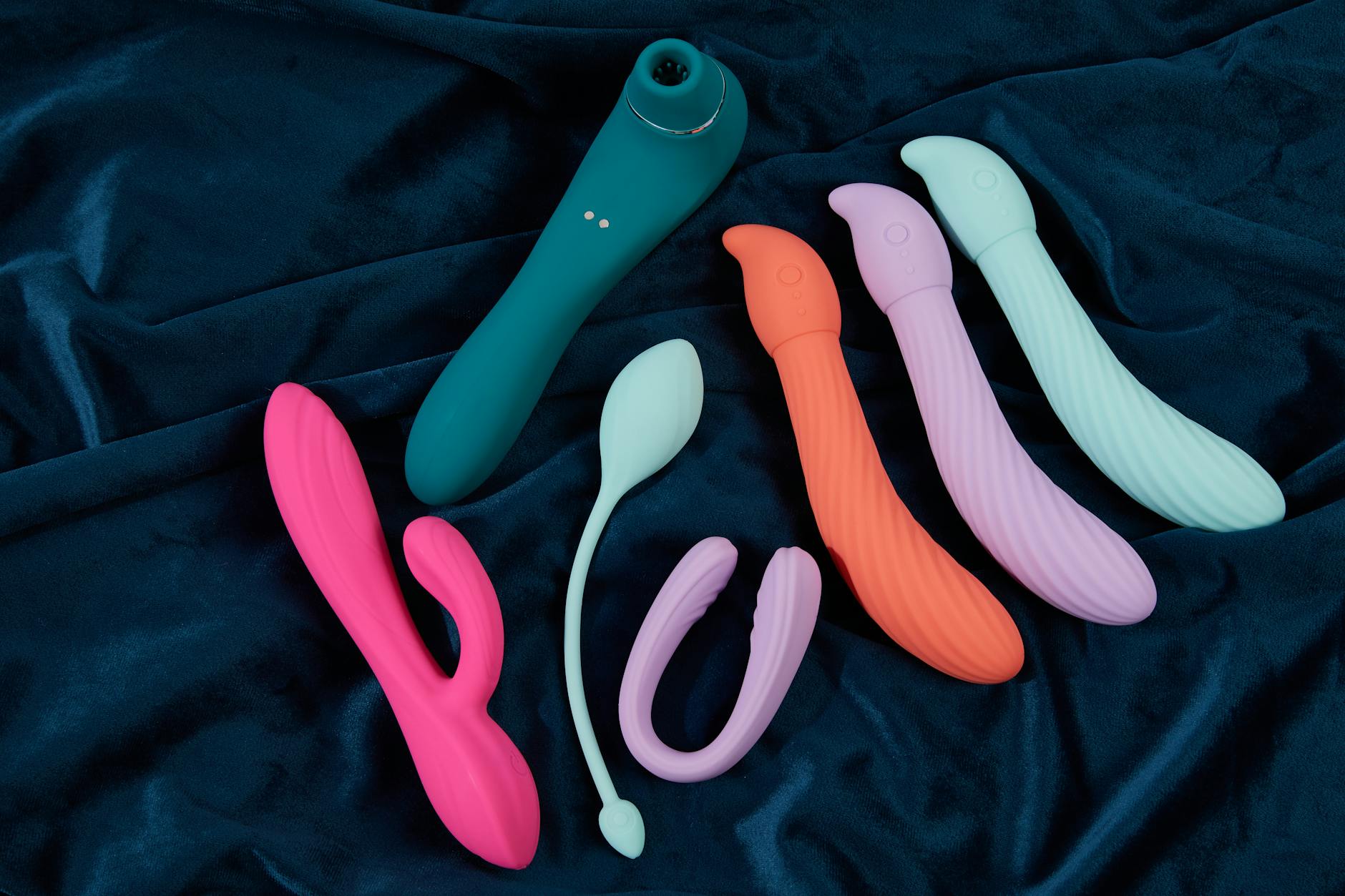
A lemon vibrator, or any dedicated clitoral stimulation tool like a lemon sucker, does something clever during high-stress periods. It removes the cognitive load of "am I going to orgasm?" That question—which normally sits in the background—becomes absolutely paralyzing when you're already overwhelmed. By using a tool that's specifically designed to deliver reliable sensation and arousal, you're not fighting your body. You're working with it.
Second, it gives you permission to show up differently. In a transition, sex often carries all the weight. It's supposed to be intimate, stress-relieving, connecting, AND arousing. That's too much. A lemon vibrator makes it okay to separate those things. You can prioritize sensation and closeness without forcing the whole emotional narrative.
Third, it works as a conversation starter that isn't loaded. "Want to try something together?" is way easier than "I miss feeling close to you" when you're both already fragile.
How to introduce this without it going sideways
Timing is everything. You do not bring a lemon clitoral vibrator into the conversation when your partner is stressed about the job loss. You bring it when there's a breath of air. A weekend morning. A moment when they're not in crisis mode.
The script matters, too. Not "I want to try this because our sex life sucks." That's a grenade. Try: "I found this thing, and I'm curious if we could try it together. No pressure. Just something new." Simple. Collaborative. Non-diagnostic.
If they say no, that's information, not rejection. Let it sit. Try again in a few weeks. If they're interested but nervous, start with watching. Not using it on each other. Just getting comfortable with what it looks like, how it sounds, what it feels like to hold.
Many couples I've worked with actually start by exploring a lemon vibrator solo while their partner is present. No touching, no performance. Just "I want to get to know this." That removes the pressure of mutual arousal while you're both still rebuilding.
What actually happens when you start using one together
The first session is usually awkward. That's normal. You're introducing a new tool, and you're probably both exhausted from the transition you're navigating. Expect it to feel mechanical.
But usually, by the second or third time, something shifts. Because the lemon vibrator is doing its job—delivering reliable, focused stimulation without requiring the emotional performance that sex normally demands. You can both just focus on sensation for a while. And sensation, it turns out, is a gateway back to feeling like a couple.
I've had clients tell me that the first time they laughed together after a major life event was when they were using a lemon sucker vibrator. Not because it was funny. But because they were present together in a way that didn't require words or emotional labor.
That presence is what you're actually rebuilding. The vibrator is just the vehicle.
The conversation pieces that actually work
If you're sitting across from your partner and you want to open this door, here are three approaches I recommend.
Approach One: The curious question. "Have you ever thought about what it would be like to use one together? I've been curious." Then stop talking. Let them answer. Don't defend or explain.
Approach Two: The honest admission. "I miss feeling close to you, and I know we're both stressed. I read something about lemon vibrators helping couples reconnect, and I wondered if you'd be open to trying." This works when you've already named that the transition is hard.
Approach Three: The external permission. "I was reading an article by a relationship coach, and she mentioned that a lot of couples use tools like this during big transitions. It made me think of us." Outsourcing the idea removes some of the vulnerability.
Whichever you choose, the tone matters more than the words. Warm. Non-defensive. "I miss you" not "this is the solution."
Setting realistic expectations
Here's what a lemon vibrator cannot do: fix the underlying transition. If you're relocating, moving won't become easy. If there's grief, it won't disappear. If there's job loss, the financial stress is still real.
What it can do is give you a pocket of time—maybe fifteen minutes once a week—where you're not managing the crisis. You're just two bodies, present together, exploring sensation. That sounds small. In a transition, it's enormous.
Also realistic: not every session will be arousing. Sometimes it'll feel routine. Sometimes one of you will get distracted or tired. That's fine. You're not trying to perform. You're trying to rebuild a habit of showing up.
The goal is not orgasm, though that might happen. The goal is reconnection. And that reconnection—slow, non-performative, regular—is what carries you through the transition as a unit instead of two people in the same house.
When to bring in outside help
If you've tried introducing a lemon vibrator and the resistance feels absolute, that's usually a sign that something else is going on. Maybe resentment about who's managing the transition. Maybe your partner doesn't feel safe or heard. Maybe the transition has exposed a deeper disconnect.
That's when a couples therapist becomes valuable. Not because the vibrator approach failed, but because it revealed something that needs attention. And that's actually useful information.
If you do work with a therapist, they can help you have the conversation about tools in a way that feels less charged. Sometimes hearing it from a neutral third party opens the door.
The long view
Most of the couples I've worked with who introduced a lemon vibrator during a major transition actually kept using it afterward. Not because they needed it anymore, but because it became part of their rhythm. A monthly thing. A way of checking in physically when life gets hectic again.
Which, honestly, is the point. You're not trying to solve the crisis with a toy. You're trying to stay close to each other while the crisis is happening. And when you do that, you come out of the transition not just surviving but stronger.