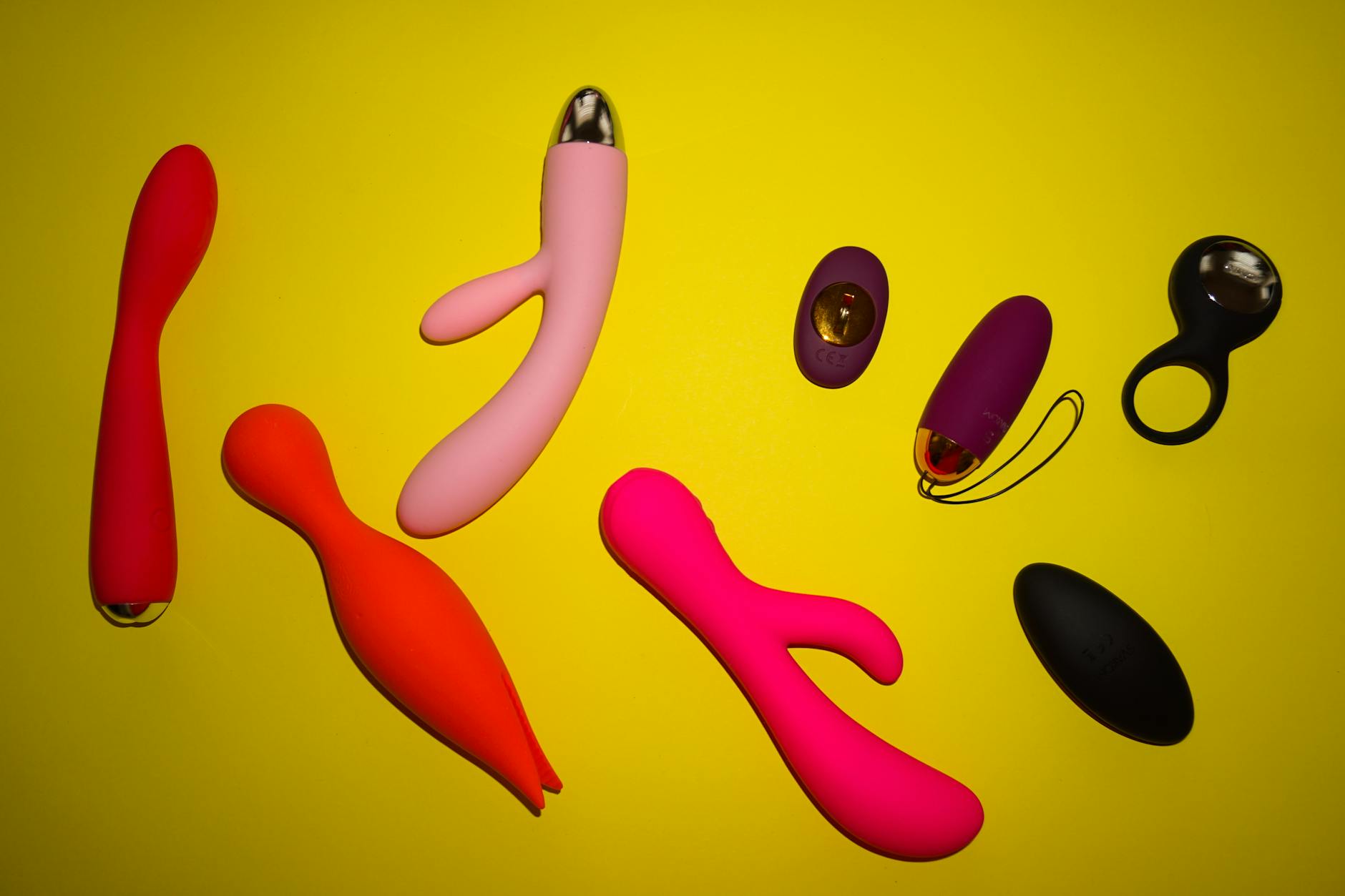
Here's what no one tells you about your clitoris
It can get tired. Not emotionally. Neurologically. After weeks, months, or even years of the same stimulation pattern, the nerve endings in your clitoris can stop responding the way they used to. You touch yourself and feel almost nothing. A partner touches you and the sensation is muted, distant, like watching pleasure happen to someone else. It's disorienting. It's frustrating. And it's not permanent.
Clitoral desensitization is real. It happens more often than people admit, and it's almost never about broken wiring. It's about repetition, routine, and the nervous system's tendency to tune out familiar input. The good news? A different type of stimulation can wake it back up.
Why your clitoris stops responding
Your clitoris contains around 8,000 nerve endings packed into a tiny space. That's an incredible concentration of sensitivity. But that same density makes it vulnerable to habituation. When you use the same toy, the same pattern, the same rhythm for months, your nervous system essentially gets comfortable with it. The signals start arriving less urgently. Your brain stops registering "Hey, pay attention" and treats it like background noise.
This happens to lots of people and in lots of contexts. It's not a sign you're broken or that your body is betraying you. It's actually a normal neurological adaptation.
Beyond pure repetition, several other factors push desensitization along:
Medication side effects. Antidepressants and anti-anxiety medications can flatten sensation. If you've started something new, desensitization might be timing-related. Some medications shift this over weeks; others take months to stabilize.
Hormonal changes. Estrogen levels directly affect tissue thickness and nerve sensitivity. Shifts in your cycle, birth control changes, or early perimenopause can make clitoral sensation feel duller even if nothing physical has changed.
Stress and nervous system fatigue. When you're living in fight-or-flight mode, your parasympathetic nervous system (the one responsible for pleasure) takes a back seat. Chronic stress literally dampens sensation.
Numb and go. Some people develop desensitization simply from using too much intensity, too often. High-power vibrators can feel numbing over time, especially if used daily without breaks.
The key difference a lemon vibrator makes
Most people experiencing clitoral desensitization reach for a stronger vibrator. That's backwards. Strength is what got them here.
A lemon vibrator works through air-suction stimulation rather than direct vibration. Instead of buzzing against tissue, it creates a gentle seal and pulses suction patterns. This engages the nerve endings in an entirely different way. You're not habituating to the same input. You're introducing novelty to a system that's been on autopilot.
That novelty matters. Your nervous system perks up when it encounters something new. The sensations don't feel numb because they're being delivered through a different neurological pathway. It's like switching from coffee to tea after years of the same morning ritual. The caffeine hits differently because your body isn't expecting it in the same way.
Think of it this way: if your clitoris has been trained to tune out buzzing vibration, introducing suction pressure is a complete system reset.
The rebuild protocol that actually works
Regaining clitoral sensation takes patience, but it's straightforward. Here's what I recommend:
Step one: take a break. Not forever. Just 5 to 7 days. No self-pleasure, no partner touch on the clitoris, nothing. You want to let your nervous system reset. This isn't punishment. It's recalibration. Your nerve endings need to remember what "baseline" feels like.
Step two: start with the lowest settings. When you return, use the lemon vibrator on its gentlest pattern. Probably setting 1 or 2. The goal isn't to get off right away. It's to reacquaint your clitoris with sensation. Spend 10 to 15 minutes just noticing. Can you feel that? What does it feel like? Is it different from what you're used to?
Step three: resist the urge to push harder. This is the hardest part. Your instinct will be to crank up the intensity to feel "more." Don't. That's how you got here. Stay with the gentler patterns. Let your body adjust. It usually takes two to three weeks of consistent, patient use before sensation really starts coming back online.
Step four: alternate stimulation types. Don't use the lemon vibrator every single time. Mix it with hands, with partner touch, with different toys. The goal is to keep your nervous system from getting comfortable again. Variety is your ally here.
Step five: track what works. You're rebuilding a map of your own pleasure. Pay attention to patterns, times of day, emotional states. Are you more responsive when you're relaxed? After exercise? After spending quality time with your partner? This information tells you what conditions help sensation return.
When to involve your partner in this
If you're with someone, this conversation matters. Desensitization can feel personal, and partners sometimes internalize it as "something I'm doing wrong." It's not. It's about nerve adaptation and routine.
Tell them what you're working on. Be honest about the timeline. Explain that you're rebuilding sensation with intentional breaks and different types of touch. Many partners actually find this kind of intentional reset brings them closer. You're problem-solving together, paying attention to sensation together, and rediscovering pleasure in real time.
The worst thing is to let them think they're somehow failing you. The best thing is to make this a joint exploration.
What to expect in the rebuild timeline
Week one to three: Sensation starts waking up. Things feel different, maybe almost sensitive again. You might notice surprise responses to touch that used to feel neutral. This is your nervous system coming back online.
Week four to six: Pleasure starts returning in a new way. Because you've been using lower intensity and different stimulation types, orgasms might feel different than before. Not worse. Just different. Some people describe them as more focused, more full-body, less concentrated in one spot.
Week eight plus: Sensitivity has usually returned to normal or better. You've also (hopefully) broken the repetition loop, so you're less likely to slide back into desensitization as long as you keep varying your stimulation.
Note: every body is different. Some people see results in two weeks. Others take six weeks. Patience is the real tool here, not the lemon vibrator itself. The vibrator is just the vehicle.
The mistake people make mid-rebuild
About halfway through, people get impatient and think "Okay, I feel better now, let me go back to what I was doing before." Don't. That's how you loop back into desensitization. You've just taught your nervous system a valuable lesson about variety. Keep practicing it.
Keep the lemon vibrator in rotation. Keep trying different patterns. Keep listening to what your body responds to. This isn't a temporary fix. It's retraining your nervous system to stay engaged and responsive. That requires ongoing novelty.
When to see a professional
If you've taken a break, tried varied stimulation for eight weeks, and nothing is changing, talk to a gynecologist or sex therapist. Sometimes desensitization points to something else like nerve damage, hormonal imbalances, or medication effects that need medical attention.
But most of the time? It's just habituation. Your clitoris isn't broken. It's just bored. A lemon vibrator, patience, and permission to explore differently can bring sensation roaring back.
FAQ: Rebuilding Clitoral Sensation
How long does it actually take to regain clitoral sensitivity after desensitization?
Most people see meaningful improvements in 3 to 6 weeks with consistent, patient use of varied stimulation. Some people feel changes within two weeks. Others take up to eight weeks. The timeline depends on how long you've been experiencing desensitization, your stress levels, medications, and hormonal factors. The key is consistency and patience, not intensity.
Can you permanently damage your clitoris by using a vibrator too much?
No. Your clitoris cannot be permanently damaged by vibrator use. Desensitization is a temporary nervous system adaptation, not tissue damage. Once you change your stimulation pattern and give your nerves time to reset, sensitivity returns. Think of it like muscle fatigue, not injury.
Why does a lemon vibrator work better than a regular vibrator for rebuilding sensation?
Air-suction stimulation engages nerve endings differently than direct vibration. If your clitoris has become habituated to buzzing vibration, suction pressure introduces novelty. Your nervous system has to pay attention again. It's the change in stimulation type that wakes up sensation, not necessarily the strength.
Is it normal to feel nothing even on the lowest lemon vibrator settings at first?
Yes, especially if desensitization is severe. You might feel almost nothing for the first few days or weeks. Keep going. You're not doing anything wrong. Your nerve endings are recalibrating. Sensation usually begins returning after 3 to 5 sessions at low intensity. If you feel absolutely nothing after two weeks, check with a doctor to rule out other factors.
Can hormonal birth control cause clitoral desensitization?
Yes. Some hormonal contraceptives can reduce clitoral sensitivity by affecting estrogen levels and blood flow. If you started birth control around the same time sensation declined, talk to your doctor about whether switching methods might help. It's also possible the desensitization is unrelated and just coincidental timing.
Should I stop using the lemon vibrator once sensation returns?
No. Keep it in your rotation. The whole point of rebuilding is learning to vary your stimulation. If you go back to using the same toy, the same pattern, the same frequency, you risk sliding back into habituation. Keep trying different settings, different rhythms, different types of touch. Variety is what keeps your nervous system engaged.
The truth about your pleasure
Clitoral desensitization isn't a failure. It's feedback. Your body is telling you that routine has become invisible. When you listen to that message and change direction, you don't just regain sensation. You often discover new kinds of pleasure you didn't know existed.
That's worth the wait. If you're ready to explore what a lemon vibrator can do differently, start low, stay patient, and trust the process. Your clitoris will thank you.