Here's what nobody tells you about hormonal birth control and pleasure
Hormonal contraception does something profound to your baseline. It's not that it kills desire entirely. It's quieter than that. It muffles it. It lowers the volume on sexual sensation, changes how quickly arousal builds, and shifts what actually turns you on. Then you stop taking it, and suddenly you're meeting a version of yourself you haven't felt in years.
This is normal. It's also not something most people expect, which means they either panic ("Am I broken?") or think they're going crazy ("Why does everything feel so different?"). Neither is true. Your body is just recalibrating to its baseline hormonal state.
What hormonal birth control actually does to sensation
Progestin-based contraceptives (the pill, the implant, the ring) suppress or reduce ovulation and steady out your hormone cycle. That stability comes with a side effect: dampened tactile sensation and reduced genital blood flow. Your clitoris receives less stimulation, arousal takes longer to trigger, and orgasms can feel more distant or harder to reach.
Estrogen also plays a role in vaginal lubrication and tissue thickness. When you're on hormonal contraception, those tissues are often thinner and drier. You might not have noticed because you'd been on it for years, but the baseline has shifted.
The brain piece matters too. Hormonal contraception can lower testosterone slightly (yes, people with ovaries produce testosterone, and it's crucial for desire). Lower testosterone means lower spontaneous sexual interest and reduced sensitivity to touch. It's not that you stopped being interested in pleasure. It's that your body stopped sending you the signals that pleasure is worth pursuing.
What actually changes when you stop
Within days to weeks, your hormones begin cycling again. If you had a regular cycle before hormonal contraception, you might find it returns relatively quickly. If your cycle was irregular, it may take three to six months to stabilize.
During this transition, here's what often happens: arousal comes faster. Touch feels more intense. Genital sensation sharpens. Orgasms can feel stronger and more accessible. Desire shows up in moments when you weren't expecting it. For many people, this is liberating. For others, it's overwhelming.
I've had clients describe it as finally turning up the volume after years of listening to music at half speed. Some find it deeply satisfying. Others need time to adjust, to remember how to be in their body when sensation is this vivid.
The specific shift in clitoral sensitivity
Your clitoris has about 8,000 nerve endings. Hormonal contraception doesn't change the nerve count, but it absolutely dampens the signal traveling through them. When you stop, that signal amplifies.
This has a practical consequence: vibrators can feel much more intense than they did before. If you used a standard vibrator while on hormonal contraception and it felt fine, the same vibrator off hormonal contraception might feel too strong or even uncomfortable at first. This is especially true with direct vibration.
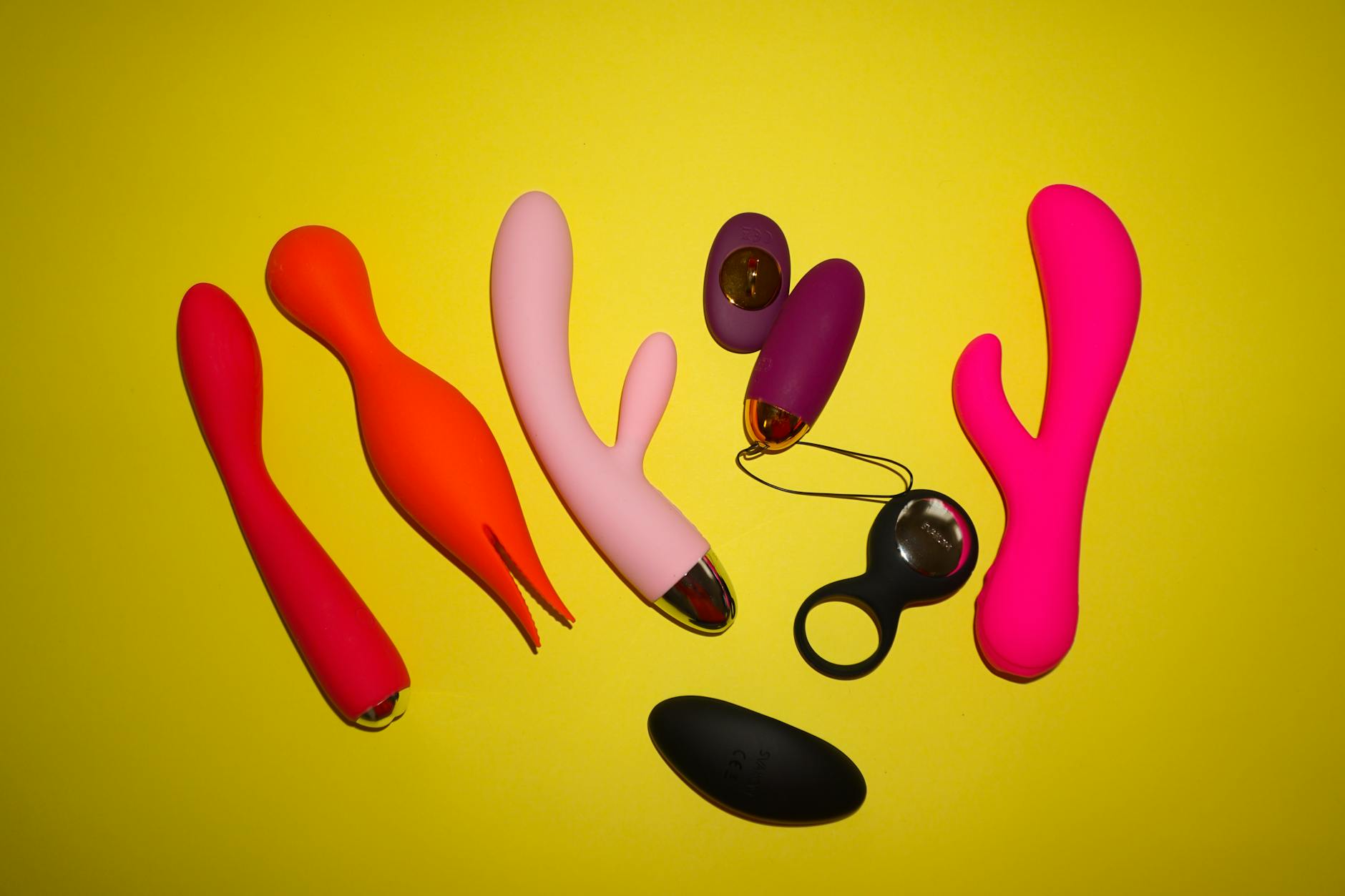
This is where suction-based stimulation like the Lem changes the game. Air-pulse vibrators don't use direct oscillation. They use rhythmic suction and release, which feels gentler on hypersensitive tissue while still delivering significant sensation. The stimulation builds gradually. You can start at pattern 1 or 2 and work up, which gives your body time to adjust to your new baseline sensitivity.
Why your arousal timeline feels different
Hormonal contraception doesn't just lower desire. It can compress the arousal window. Where you might have needed 20 minutes of foreplay before, you might now find arousal rising in five or six. This can feel shocking if you're used to thinking of your body as slow-to-arouse.
The flip side: not every person experiences faster arousal. Some people's cycles are so variable that on certain days, arousal is immediate, and on others, it's much more gradual. This is actually your natural rhythm reasserting itself. Your hormones are now fluctuating across your cycle, which means sensation, desire, and response will too.
Planning intimate time with a partner suddenly looks different when you're aware of your cycle again. Some couples find this useful. Others find it a bit tedious. The key is knowing your body well enough to recognize the patterns without letting them dictate your sex life.
The emotional component that shifts too
Hormonal contraception is a physical intervention, but coming off it is also an emotional and relational reckoning. Many people go on hormonal birth control in their twenties, when relationships are new, when frequency is high, when novelty keeps desire naturally elevated. They stay on it through relationships that shift, through work stress, through identity changes. When they finally stop, they're encountering their body's actual desire in a completely different life context.
If you're in a long-term relationship, your partner's arousal pattern might not have changed as dramatically as yours. They might still be operating at the baseline you two had together while you were both on or off contraception. This can create a mismatch. Suddenly you want sex more frequently, or you're more responsive during sex, and they're... not. This is addressable, but it requires acknowledging that something fundamental has shifted, not because either of you has changed as people, but because your body is finally expressing its unmedicated baseline.
How to approach pleasure tools during this transition
Four practical steps:
Start with lower intensity. If you already use a lemon clitoral vibrator, begin with the gentlest settings even if you felt comfortable at higher intensities before. Your sensitivity is different now. Give yourself permission to scale up.
Extend warm-up time. Faster arousal doesn't mean skip the warm-up entirely. Building arousal through touch, kissing, or subtle stimulation first makes the transition to a vibrator feel more natural and integrated.
Use lubrication generously. Even though you might be producing more natural lubrication off hormonal contraception, tissue may still feel different. Water-based lube remains your friend. It enhances sensation without friction.
Track patterns without obsessing. Notice where your arousal is easiest, when your interest peaks, how your body responds across different days. This self-knowledge is valuable. It's not the same as charting fertility unless you're specifically trying to conceive.
When sensitivity feels like too much
Some people find that heightened sensation after stopping hormonal contraception tips into oversensitivity. Your clitoris feels tender. Direct touch is uncomfortable. Vibration at any level feels like overstimulation.
This is temporary, but it's real. Hormonal fluctuations take time to stabilize. In the meantime, if direct stimulation feels wrong, explore indirect stimulation through clothing or your partner's hand. Use a vibrator over the hood of your clitoris rather than directly on it. Slow down penetration. Give your nervous system permission to recalibrate.
If oversensitivity persists beyond three or four months, talk to a gynecologist. Sometimes hormonal contraception masks pelvic pain conditions or vulvodynia. When the masking is removed, those underlying conditions become apparent. This is actually useful information, not a failure.
Building back into solo pleasure
Many people find that masturbation feels dramatically different after stopping hormonal contraception. Orgasms might arrive faster. They might feel stronger. Or they might feel weaker at first, which sounds counterintuitive but happens when your body is still recalibrating its hormonal signaling.
If you're exploring a lemon clitoral vibrator for the first time post-contraception, or revisiting one you used while on hormonal birth control, approach it with curiosity rather than expectation. Your body isn't broken because the experience feels new. It's finally expressing itself without chemical dampening.
Navigating this with a partner
If you're coupled and newly off hormonal contraception, the conversation matters more than the timing. Tell them what's shifting in your body. Tell them your desire is different, your sensitivity is different, that you're learning your own baseline again.
You might want more sex now. You might want less, but more intense. You might want different kinds of touch. These aren't reflections on your attraction to them. They're reflections on your chemistry with yourself. The two can coexist.
If you're using tools like a lemon suction vibrator during partner sex, talk about that too. Explain that it's not a substitute for them. It's a way you're rediscovering your own pleasure landscape, and they're invited to be curious about it alongside you.
The timeline for stability
Most people find that their body fully recalibrates within two to three cycles. That means if your cycle is 28 days, give yourself roughly two to three months before you declare victory or assume something is wrong.
During this window, you might experience:
- Heightened sensitivity that gradually normalizes
- Arousal that swings between fast and slow depending on cycle day
- Orgasms that feel more intense, then plateau back to normal
- Surges of sexual interest followed by quiet weeks
- Breast tenderness that makes certain touches uncomfortable
All of this is normal endocrine rebalancing. It's not a medical emergency, and it's not permanent instability. It's your body remembering what baseline actually feels like.
FAQ
How long does it take for arousal to feel normal after stopping hormonal contraception?
Most people notice changes within the first cycle and reach a new normal within two to three cycles, roughly 8-12 weeks. Some take longer, especially if they were on hormonal contraception for many years. Your baseline arousal might feel permanently different from what you experienced while on hormonal birth control, and that's the point. This is your actual baseline.
Can I use my existing vibrator after stopping hormonal birth control?
Yes, but you might need to adjust how you use it. If it felt comfortable before, it might feel too intense now. Start at the lowest setting, use it with lubrication, and give your sensitivity time to stabilize. Many people find that suction-based clitoral vibrators like the Lem feel more comfortable than direct vibration during this transition because they don't apply the same mechanical pressure.
Does stopping hormonal contraception increase my orgasm ability?
For many people, yes. The combination of restored testosterone, improved genital blood flow, and heightened nerve sensitivity makes orgasms easier to reach and often more intense. But this isn't universal. Some people experience no change, or even a temporary dip in orgasm intensity while their hormones recalibrate. The important point: if orgasms feel different, that's not a problem. Different doesn't mean broken.
What if I feel overstimulated by touch after stopping the pill?
This is temporary hypersensitivity, not a permanent condition. Scale back intensity. Explore indirect stimulation through clothing or a partner's hands rather than toys. Avoid direct clitoral contact for a few days and rely on broader genital touching instead. If it persists beyond four months, see a gynecologist to rule out underlying pelvic pain conditions.
Will my cycle returning affect my desire patterns during partner sex?
Likely yes. As your cycle restabilizes, your desire and sexual response will fluctuate across the month. This is your body's actual baseline expression. Some couples find this valuable because they can plan more attentive intimacy during higher-desire phases. Others find it irrelevant if they prioritize consistent connection regardless of hormonal phase. Both approaches work.
Is it normal to want to masturbate more after stopping hormonal contraception?
Completely normal. Restored testosterone and heightened sensation often drive an increased interest in solo pleasure. This is healthy and doesn't indicate anything wrong with your relationship or your partner. Your body is finally signaling that pleasure is available and worth pursuing.
What you should do right now
Your body is recalibrating after years of hormonal suppression. Meet it with patience, curiosity, and the right tools. Whether you're using a lemon vibrator for the first time or returning to one you used before contraception, start gentle, pay attention to what feels good, and trust that sensation and desire will stabilize within a few months.
You're not broken. You're just finally hearing what your body has been trying to say.
If you're navigating this transition and want to talk through what's shifting in your relationship or your solo pleasure, reach out to us. We're here to help you understand your body again.