Let's start with what's actually happening
Spinal cord injury rewires how pleasure reaches your brain. That doesn't mean pleasure is gone. It means the pathway changed, and you need to learn the new route. I work with clients rebuilding intimacy after SCI, and the first thing we establish is this: numbness is not the end of sensation. It's a different kind of sensation waiting to be discovered.
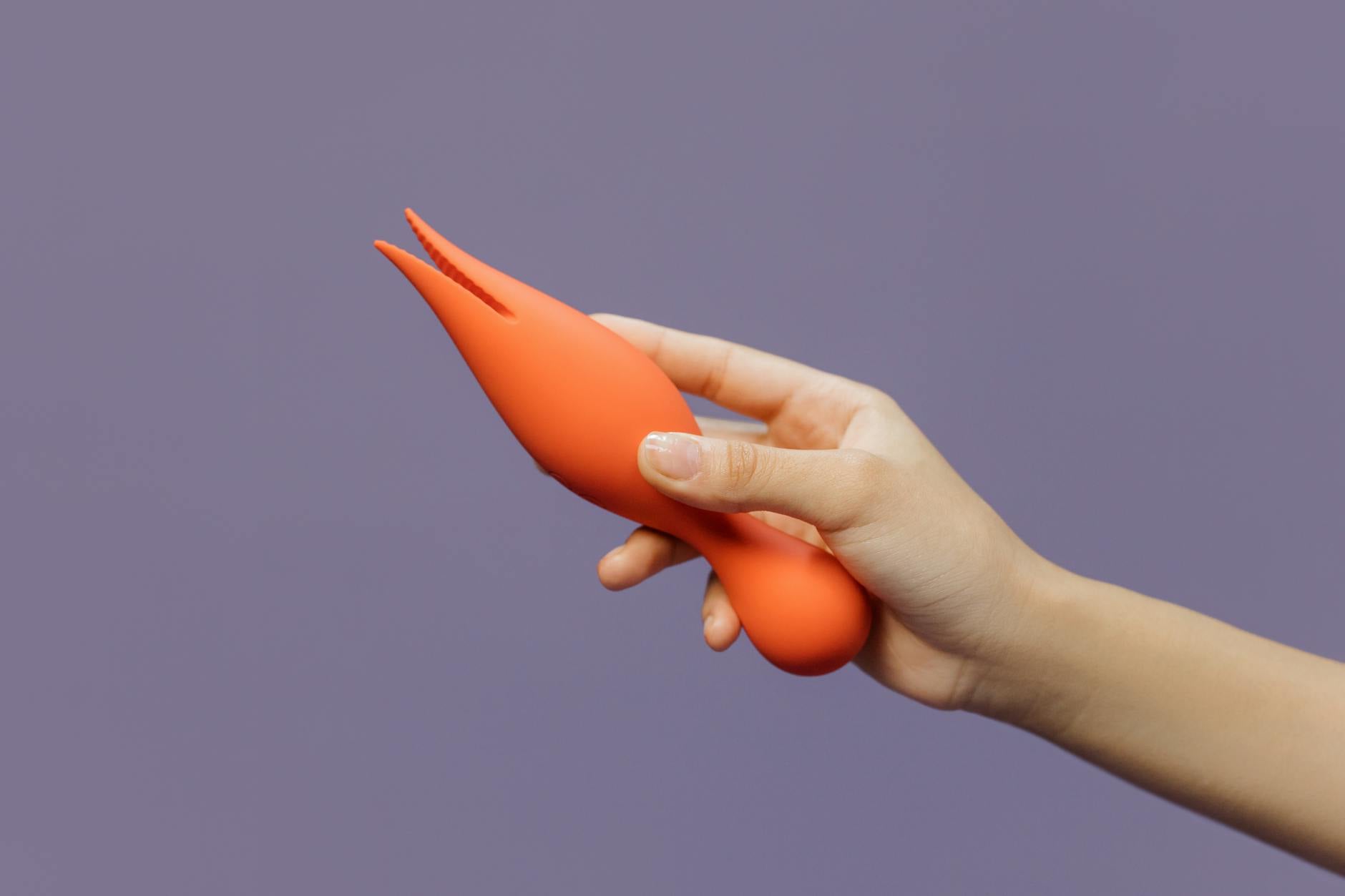
A lemon clitoral vibrator isn't a workaround. It's a tool that works with your nervous system now, not against what it used to be.
How SCI changes clitoral sensation
The spinal cord is the highway between your genitals and your brain. When injury occurs, some routes close. Others reroute. Depending on your injury level and whether it's complete or incomplete, the messaging gets interrupted, delayed, or redirected to neighboring nerve pathways.
Here's what this actually means for pleasure:
If your injury is above T12, your genitals may have reduced or absent sensation in the typical way. But the pelvic nerve and vagus nerve can sometimes bypass the spinal cord injury entirely, sending signals directly to the brain via the vagus nerve pathway. This is why some people with high-level spinal cord injuries report orgasms and sensation when they didn't expect to.
If your injury is lower (lumbosacral), you might have intact genital sensation but difficulty with arousal signals traveling upward. The physical feeling might be there, but the mental click might take longer or require different stimulation.
The key thing: sensation below the level of injury often exists, but it's different. Lighter, duller, or completely absent in specific zones while hyperresponsive in others. A lemon vibrator's air-suction pattern is gentler and more precise than traditional vibration, which makes it ideal for this landscape.
Why air-suction works better for post-SCI pleasure
Traditional vibrators use rhythmic intensity to overwhelm the nervous system into response. After spinal cord injury, that approach often fails because the signal pathway is already struggling to transmit. A lemon vibrator uses suction and release cycles instead. Think of it like a pulse rather than a buzz.
Three reasons this matters:
1. Lower threshold for activation. Suction stimulates nerve endings differently than vibration. You don't need maximum intensity to feel something. Settings 1 and 2 on a lemon clitoral vibrator often produce response when a traditional vibrator at high settings produces nothing.
2. Nerves respond to novelty. Your spinal cord injury happened. Your nervous system adapted. That adaptation means the same input every time (buzz, buzz, buzz) becomes background noise. Suction's varied pressure pattern keeps your nervous system engaged because it's not predictable.
3. Vagal stimulation potential. The vagus nerve runs from your brain all the way down, and in people with spinal cord injuries, it can carry pleasure signals that normally travel through the spine. Suction's rhythmic, less intense stimulation seems to activate this route more reliably than harsh vibration.
Your baseline: what you can actually feel right now
Before you use a lemon vibrator, spend two weeks learning your new sensory map. This isn't clinical. It's just exploring.
Take a week and experiment with non-sexual touch around your genitals and inner thighs. Light fingers. Ice cubes. Soft fabric. A feather. The goal is to map which areas still have sensation, which have altered sensation, and which have none. Write it down. Seriously. This is your pleasure roadmap.
In week two, try manual stimulation with a focus on the areas that did respond. Don't aim for orgasm. Aim for noticing. You're teaching your brain where signals are actually arriving from.
This baseline work takes patience, but it's the difference between fighting your nervous system and working with it. Once you know your map, a lemon clitoral vibrator becomes precise instead of random.
How to introduce the lemon vibrator safely
Start in a low-pressure environment. Not in bed with a partner. Not with performance expectations. Alone, relaxed, with time.
Begin at pattern 1 (the gentlest suction cycle). Place the lemon vibrator over the areas that showed sensation in your baseline week. Don't hold it stationary. Move it slowly, exploring. The goal for the first three sessions is just: "What does this feel like?" Not "Can I orgasm?" The orgasm question comes later.
If you feel nothing after 10 minutes, that's not failure. It's data. Try a different area. Try pattern 2. Try a different time of day (nervous system response varies wildly by time of day after spinal cord injury). Some people find that pleasure sensation returns strongest in the morning or evening.
If you feel something (tingling, warmth, pressure, even just awareness of the device), stay with that area. Let your nervous system get comfortable with the input. Repeat for three sessions before advancing.
Once you've found a responsive area at pattern 1 or 2, you can begin extending sessions. Fifteen minutes. Twenty. You're training your nervous system to interpret this as pleasure, which takes repetition.
Partner integration: rebuilding intimacy after SCI
If you have a partner, this conversation is separate from the pleasure conversation. "My body responds differently now" is not the same as "I want us to reconnect." One is neurology. One is relationship. Keeping them separate saves you both a lot of frustration.
Here's what actually helps: your partner learns your sensory map too. Not in a clinical way. In a "let me show you where I can feel things now" way.
Then, together, you decide if a lemon vibrator becomes part of partnered sex. Some couples use it as solo play. Some incorporate it into foreplay. Some use it as a way for partners to stimulate simultaneously without the pressure of penetration or traditional sex.
The key: the person with the spinal cord injury leads. You decide when, where, how, and how often. Your partner's role is curiosity and patience, not performance or rescue.
Managing pain or discomfort during use
Some people with spinal cord injuries develop neuropathic pain below the injury level. Burning, stabbing, or hypersensitivity. If stimulation makes this worse, stop. A lemon vibrator should never increase pain.
If you have intact or partial sensation with neuropathic pain mixed in, you might find that lower settings and shorter sessions (5-10 minutes instead of 20) work better. You're looking for the sweet spot where pleasure registers without triggering pain response.
If neuropathic pain is severe, this might not be the right moment for a lemon vibrator. Work with your pain management team first. Pleasure is secondary to safety.
When to talk to your care team
If you're experiencing bladder or bowel symptoms that change during or after using a lemon vibrator, mention it to your neurologist or SCI specialist. Not because it's dangerous, but because your nervous system is sensitive, and your medical team should know.
If you're on medications that affect sensation or arousal (certain blood pressure meds, antidepressants, or spasticity management drugs), ask your pharmacist or doctor whether they might be dampening response. Sometimes a timing adjustment or alternative medication opens doors.
If you have autonomic dysreflexia, you already know to monitor for symptoms. Genital stimulation can occasionally trigger AD in some people with high-level spinal cord injuries. Know your baseline symptoms and have your emergency protocol ready.
Rebuilding pleasure isn't linear
Some days the lemon vibrator will feel amazing. Other days, nothing. That's not you doing something wrong. That's your nervous system on a given day. Hormones, sleep, stress, medication timing, time of day, where you are in your menstrual cycle (if applicable). All of it affects response.
Expect variation. Build in patience. Celebrate small wins: the first time you feel something, the first time something feels good, the first time you experience an orgasm with this new nervous system.
These are wins. They matter.
Common questions about lemon vibrators and spinal cord injury
Can I use a lemon vibrator if I have complete spinal cord injury?
Yes, but response may be different. Complete SCI means zero nerve signals cross the injury level. However, the vagus nerve pathway can still transmit pleasure sensation to your brain, bypassing the spinal injury entirely. A lemon clitoral vibrator is gentler and may activate this route more effectively than traditional vibration. You might find response where you didn't expect it.
How long before I feel something with a lemon vibrator after SCI?
That depends entirely on your nervous system. Some people feel something the first session. Others take weeks of consistent exploration. There's no timeline. What matters is patience and noticing small changes. The first time you feel a subtle tingle counts. Don't wait for an orgasm to call it success.
Will using a lemon vibrator increase my spasticity?
Possibly. Genital stimulation activates your nervous system, and for some people with spinal cord injuries, that activation triggers spasticity. If this happens, use the vibrator at times when managing spasticity is easier (post-stretching, post-medication timing). Talk to your physical therapist about optimal timing. It's manageable, not a reason to stop.
Can I use a lemon vibrator if I have incomplete spinal cord injury with altered sensation?
Absolutely. Incomplete SCI often means some signal gets through, but it's delayed or altered. A lemon vibrator's gentler suction can sometimes activate these partial pathways more effectively than intense vibration. Start at pattern 1 and explore slowly. You're likely to find responsive areas.
What if a lemon vibrator triggers pain flares or neuropathic pain?
Stop using it temporarily. Neuropathic pain after spinal cord injury is real and serious. Give yourself time. Talk to your pain management specialist about whether a different timing, pattern, or intensity might work. You might also explore non-vibrator options (partnered touch, pressure, warmth) while pain settles. Come back to the vibrator when you're ready.
Is it normal to not orgasm even with a lemon vibrator after SCI?
Completely normal. Orgasm after spinal cord injury is complex. Nerve pathways have changed. Sensation and arousal might work differently. Some people achieve orgasm, some don't, and many experience pleasure without orgasm. Redefine what success looks like for your body now. Sensation, warmth, connection, a moment of peace. Those all count.
The point
Your spinal cord injury changed your nervous system. That's true. Your pleasure didn't disappear. It rewired. A lemon clitoral vibrator isn't about forcing your body back to how it worked before. It's about learning how pleasure moves through you now.
That's work. And it's worth it. If you need guidance navigating this with a partner or processing what pleasure means after SCI, reach out to a therapist or counselor familiar with spinal cord injury. You don't have to figure this out alone. For practical questions about the vibrator itself or our other products, we're here to help.