Here's what actually happens
Antidepressants, anti-anxiety meds, and mood stabilizers work. They genuinely do. They also change how your body responds to sexual stimulation in ways nobody properly explains before you start taking them. Most people find out accidentally, months in, when they realize orgasm feels distant or impossible.
That's not a personal failure. That's neurochemistry.
Why psychiatric medications affect arousal and orgasm
SSRIs (selective serotonin reuptake inhibitors) like sertraline, paroxetine, and fluoxetine are the most common culprits, but it's not just SSRIs. SNRIs, tricyclic antidepressants, and antipsychotics can all shift sexual function.
Here's the mechanism: serotonin regulates mood, but it also dampens sexual arousal. That's actually useful evolutionarily. When you're in crisis, your nervous system deprioritizes reproduction. The problem is that once you start the medication, that serotonin upregulation doesn't always recalibrate just because you feel better.
What shifts physiologically:
- Lubrication decreases. Serotonin affects blood flow to genital tissue. Less blood flow means less engorgement, less natural lubrication.
- Arousal takes longer. The cognitive and physical cascade that used to take 10 minutes might now take 30 or 40.
- Sensation feels muted. Your clitoris might feel less responsive. Orgasm, if it happens, might feel flatter or require much more stimulation.
- Desire itself diminishes. This is the hardest part to talk about because it's not just physical. The want itself shrinks.
None of this means you're broken. It means your neurochemistry changed in a specific way, and there are tools to work with that change.
The role of lemon vibrators in medication adjustment
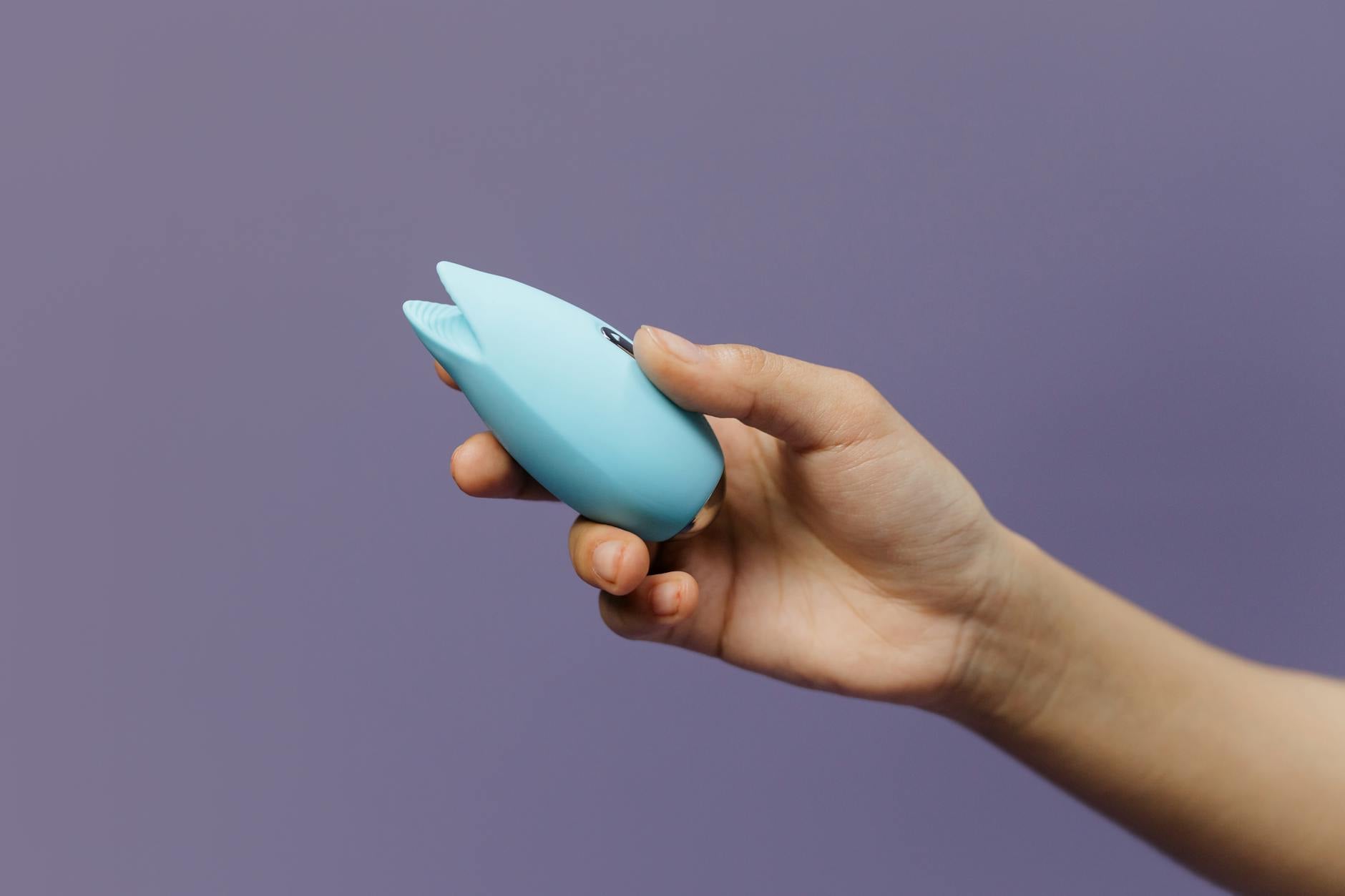
A lemon clitoral vibrator works differently than manual stimulation or penetrative sex. Pneumatic suction technology delivers focused, sustained stimulation without the mechanical pressure that requires intact sensation.
Why this matters: when sensation is muted, you need more consistent stimulation to trigger the neural pathways for arousal and orgasm. A lemon sexual toy maintains that consistency in a way fingertips can't. You're not fighting friction or pressure. You're building sensation back through repetition and a device that doesn't fatigue.
I recommend a lemon vibrator specifically because the pattern variety gives you flexibility. If your usual patterns feel ineffective, you're not stuck. You can try pattern 1, then 3, then 5 without switching devices or getting frustrated.
Timing and dosing: when to introduce the vibrator
Here's a conversation you should have with your prescriber: how long you should wait before fully assessing sexual side effects. Most doctors recommend waiting 4 to 6 weeks on a stable dose before deciding if side effects are permanent or still settling.
But here's the thing. Waiting doesn't mean doing nothing. This is actually the ideal time to experiment with lemon adult toys.
Why. Because the adjustment period is when your body is most responsive to new input. You're re-establishing your pleasure baseline anyway. Introducing a lemon clitoral vibrator during this window lets you gather real data about what's changed and how you respond to different types of stimulation.
Start low (pattern 1 or 2) and give yourself 20 to 30 minutes. Most people on psychiatric medications find they need longer warm-up time, so don't rush. Arousal isn't failing. It's just slower.
Lubrication and medication
Antidepressants don't just reduce natural lubrication. They often change how your body responds to water-based lube. You might need more than you used to. You might prefer silicone-based lube (which lasts longer and feels richer on muted sensation).
One warning: silicone-based lube can degrade silicone toys, including most lemon vibrators. If you go silicone, use a condom over the toy or switch to water-based for that session. Many people on SSRIs find hybrid lubes work best. They're water-based but thicker, so they feel more like your body's natural response.
Reapply more frequently than you think you need to. The lube isn't just for comfort. It's amplifying sensation because it creates a smoother surface for the vibrator to work against.
The conversation with your partner (if you have one)
If you're navigating this with a partner, separate the two issues: "My medication is working. I'm feeling better mentally." That part doesn't change. The other part is, "My body's response to sex has shifted, and we need to adapt."
Partners often internalize this as personal rejection. It's not. It's medication. But it does require adjustment from both of you. One practical route: introducing the lemon vibrator as a team solution, not a replacement for partnered sex.
Many couples find that the vibrator actually reignites connection because it removes the pressure of "trying" and shifts focus to exploration. You're not performing. You're both problem-solving.
When to talk to your doctor again
Some side effects settle after a few weeks. Some don't. If after 8 weeks on a stable dose you're still experiencing significant loss of arousal or orgasm, bring it up.
Your options:
- Dose adjustment. Sometimes a slightly lower dose maintains mood benefits with fewer sexual side effects.
- Timing shift. Taking the medication at night instead of morning can help some people (consult your prescriber first).
- Medication switch. Not all antidepressants have equal sexual side effects. Bupropion and moclobemide are less likely to cause these issues. It might be worth trying a different class.
- Adjunctive medication. Some doctors add a second medication specifically to counteract sexual side effects. Buspirone or sildenafil (Viagra) can help, though this is more common in psychiatric settings than general practice.
- Therapy. A sex therapist or couples counselor can help you navigate the emotional components while your body adjusts physically.
Building arousal back: a practical pathway
Honestly, here's what tends to work:
Week 1 to 2: Use the lemon vibrator solo, no goal of orgasm. This sounds counterintuitive, but it takes the pressure off. You're just introducing stimulation and noticing what feels different. Pattern 1 or 2, 15 to 20 minutes, with good lube. The goal is sensation data, not outcome.
Week 3 to 4: Introduce fantasies or audio erotica. Arousal is as much cognitive as physical. When sensation is muted, your mind matters more. Listen to what works for you. This is not indulgence. This is part of your medication adjustment.
Week 5 onwards: Add partner involvement if relevant. Let them know what patterns feel best from your solo exploration. Use the lemon vibrator together. Let them hold it, or you hold it while they touch you elsewhere. You're rebuilding collaborative pleasure.
What doesn't work (and why)
Don't: wait for your body to "just adapt" without trying anything new. Neurotransmitters don't self-correct without input.
Don't: increase the medication dose hoping that somehow fixes sexual function. It won't. Sexual side effects usually worsen with higher doses.
Don't: blame yourself or assume you've "lost" your sexuality. You haven't. Your nervous system is running different software right now. That's fixable.
Don't: skip the lube phase because you're embarrassed or because it feels "unnatural." Lube is a tool, not a crutch. Use it.
The long view
Most people I work with find that within 8 to 12 weeks of stable medication, combined with intentional exploration using tools like lemon clitoral vibrators, arousal and orgasm return. Sometimes differently. Sometimes better than before, because you're more intentional about pleasure and less worried about performance.
Your psychiatric medication is doing its job. Your pleasure can do its job too. You just need different tools for a few months while your body adjusts.
People also ask
Can I use a lemon sexual toy right after starting antidepressants?
Yes. I'd actually recommend waiting one week to let the initial adjustment pass, then starting exploration. Don't wait months hoping sensation returns on its own. The sooner you introduce consistent, deliberate stimulation, the sooner you rebuild your arousal baseline. This is especially true if you're on SSRIs or SNRIs, which tend to have more pronounced sexual side effects early on.
How long do antidepressant sexual side effects usually last?
It varies widely. Some people see shifts within 2 to 4 weeks. Others find it takes 8 to 12 weeks, or longer. About 60 percent of people experience some sexual side effects on SSRIs, and about 30 percent find them significant enough to consider switching medications. The good news is that they're not permanent. They're dose-dependent and medication-dependent. If you switch medications or adjust the dose, sensation typically returns.
Will a lemon vibrator work if I'm on multiple psychiatric medications?
Likely yes, but the effect compounds. If you're on an SSRI plus an antipsychotic, arousal might be significantly dampened. This is where you especially benefit from a tool that delivers consistent, focused stimulation without requiring your body to generate much natural response. The lemon clitoral vibrator is actually ideal because you're not relying on your baseline arousal. The device is doing the initial work while your nervous system catches up.
Can I orgasm while on antidepressants?
Most people can, but it often requires more stimulation and longer warm-up. Some find orgasm possible but flat. Others find it impossible at their current dose. All of these are legitimate reasons to have a conversation with your prescriber. There's no prize for "toughing it out." Sexual function is part of quality of life. If medication is affecting it significantly, that's worth addressing.
Should I tell my partner about sexual side effects from medication?
I'd strongly encourage it. Not in a confessional way, but factually. "My medication is working for my mood, and my body's sexual response is adjusting. This isn't about attraction. It's neurotransmitters. Here's what might help." Then you have a collaborative problem to solve instead of a secret resentment. Many couples find this conversation actually deepens intimacy because you're being honest and practical together.
Is it normal to feel less interested in sex emotionally when you're on psychiatric meds?
Yes. That's different from physical side effects, but it's real. Sometimes the emotional flattening is the medication. Sometimes it's relief (finally not in crisis anymore, so you're tired). Sometimes it's both. A therapist or your prescriber can help untangle whether this is a medication issue or an adjustment issue. If it persists beyond 12 weeks and you're not satisfied with the answer, it's worth revisiting your medication plan.