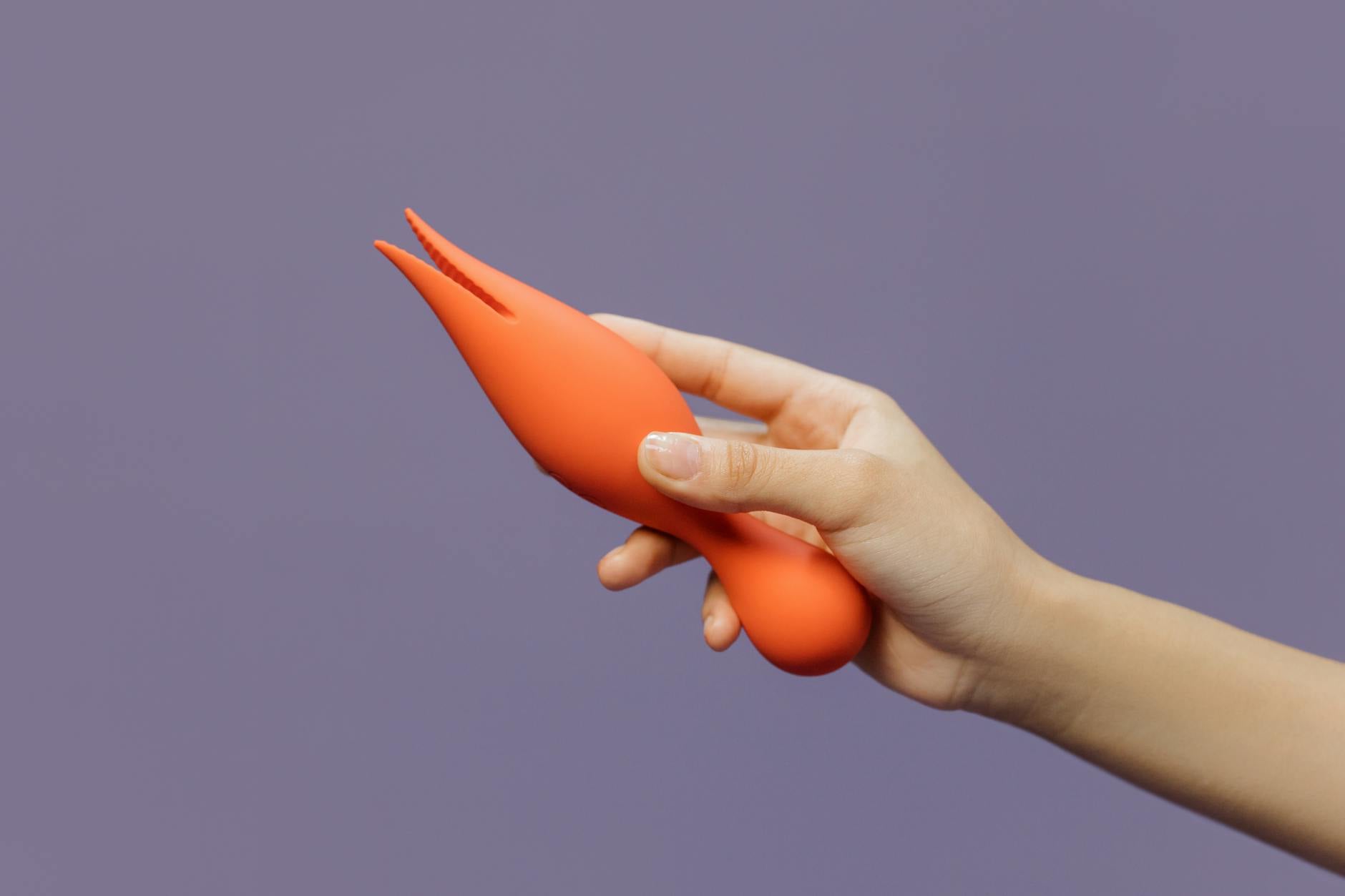
How to Use a Lemon Vibrator When You're in a New Relationship
Let's be real: bringing up toys in a new relationship is terrifying. You worry they'll think you're not satisfied. Or that you're too forward. Or that it means something bad about the relationship that's supposed to be effortlessly perfect right now. Here's the truth that nobody says out loud: most new relationships benefit wildly from toys introduced well, and it almost always deepens things instead of complicating them.
The trick is knowing exactly when to introduce it, how to frame it, and what to do with a lemon vibrator in a way that feels natural instead of clinical.
The timing conversation nobody talks about
There's a window. Too early (first two weeks), and toys can feel like a rejection of the novelty. Too late (six months in), and they feel like you've been keeping a secret. The sweet spot is roughly weeks 4-8, after the initial nervous energy has settled but before patterns are fully cemented.
You'll know it's the right moment when sex feels good enough that you're both relaxed, and when you've had conversations that establish you're both into exploring. If you haven't talked about preferences, fantasies, or what actually feels good yet, introduce that conversation first. Toys come after foundation.
Here's how I frame it with clients: the best time is when you've just had really good sex and you're both still in that relaxed, dopamine-flooded state. That's when the brain is most open to possibility instead of threat. Wait until you're getting dressed or texting the next day, and suddenly it feels heavier.
How to actually bring it up without creating weirdness
Don't ask permission. Don't apologize. Don't frame it as fixing something. Instead, lead with curiosity about them and what feels good.
Good openings: "I've been thinking about what would feel amazing for you. Have you ever tried a clitoral vibrator?" Or: "I want to explore more of what makes your body feel really good. There's this tool that's supposed to be wild. Would that feel fun to try?"
What doesn't work: "I read that lemon vibrators are supposed to help with orgasms." (Too clinical, implies you think they need fixing.) "My ex used toys all the time." (Your history isn't their problem.) "Do you mind if I use a vibrator?" (Mind phrasing gives them veto power over your pleasure, which sets a weird tone.)
If they say no or seem uncomfortable, don't push. Instead: "I'm interested in exploring it whenever you feel ready. No pressure at all. Just want you to know it's something I'd like to try together." Then let it breathe. Often the resistance is about not understanding it, not actual objection. They'll circle back.
The actual first time: how to integrate a lemon vibrator naturally
Don't make an announcement. Don't break the mood to explain the settings. Just have it there when things are heating up.
Start with manual touch first. Build arousal normally for 5-10 minutes. When you're both already turned on and the energy is high, that's when you introduce it. A lemon clitoral vibrator works best when you already have blood flow and sensitivity building. The suction design means it needs a foundation of arousal to feel incredible, not uncomfortable.
Let them hold it first. Let them explore the settings while you're still connected or touching. This does two things: it keeps them in control of their own pleasure, and it removes the weird dynamic where you're "doing something to them." It's collaborative. It's us, not you-being-tested.
Start on the lowest setting. The lemon design creates intense sensation quickly, so there's no need to jump to pattern 3 right away. Watch their face. If their eyes widen or they make a sound, you know it's working. If they seem overwhelmed, suggest easing back to manual touch, then trying again in 30 seconds.
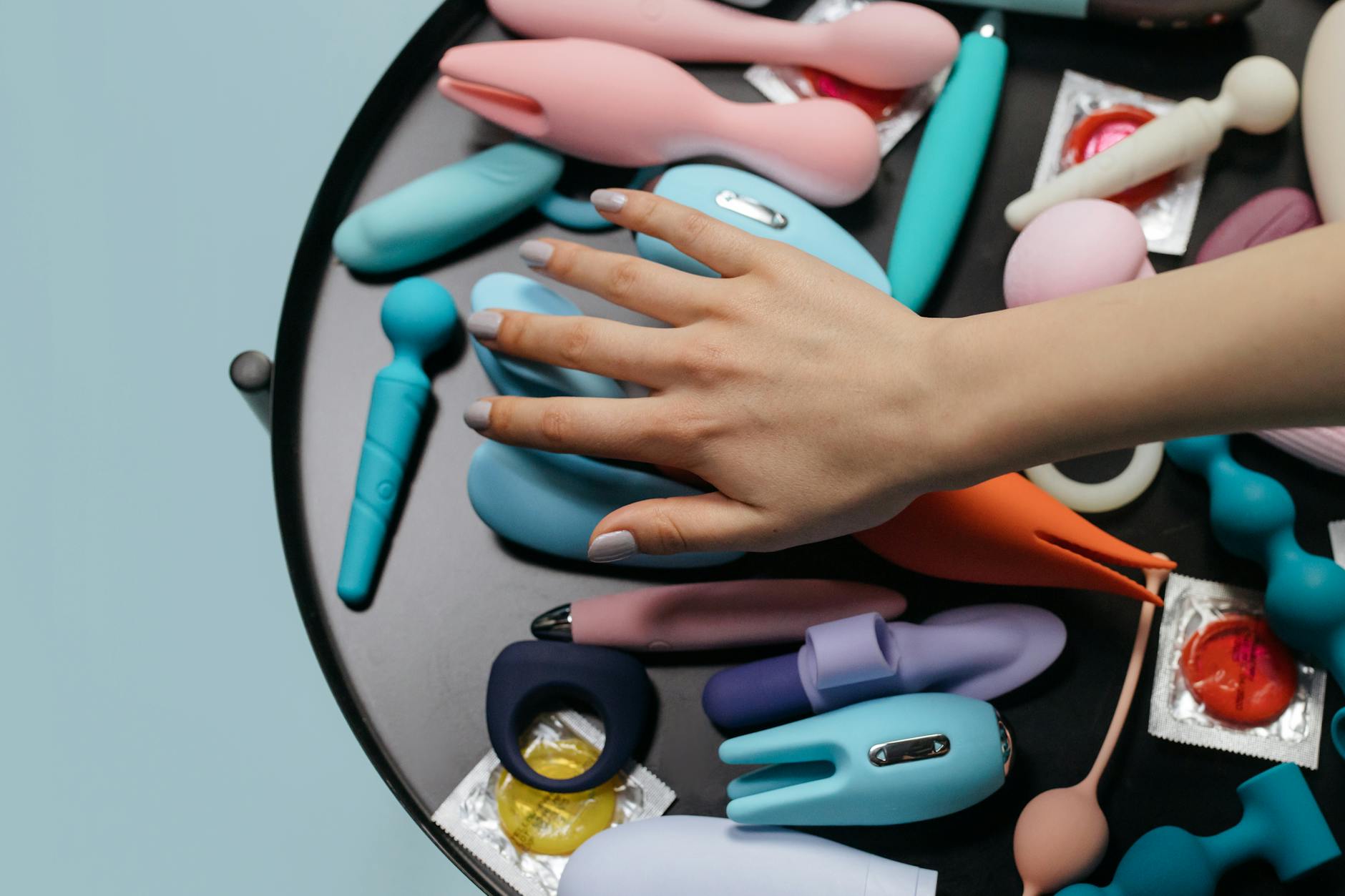
Photo by cottonbro studio on Pexels
The three conversation layers that need to happen before clothes come off
You need to know three things about your new partner before toys enter the picture, because toys amplify everything, including insecurity.
Layer 1: Their history with pleasure. Have they used toys before? Do they have any shame around masturbation? Were they raised in a sex-positive environment or not? You don't need their autobiography, but context matters. If they grew up with messaging that masturbation or toys were wrong, a lemon vibrator isn't the problem. The belief system is. That takes time and gentleness.
Layer 2: How they experience their body. Do they know what feels good on them? Have they had partners who paid attention? Some people arrive in new relationships never having received sustained pleasure. They might be skeptical about vibrators not because of judgment, but because pleasure itself feels foreign. A lemon clitoral vibrator is actually ideal for these folks because the suction sensation is so distinct it creates unmistakable feedback. The body knows something is happening.
Layer 3: Their attachment style around vulnerability. Are they people who can ask for what they want, or do they keep their needs hidden? Can they admit when something doesn't feel good? This matters because toys require consent and feedback that stays active. You can't just assume what works. You have to keep checking in.
What to do if they freeze or seem uncomfortable mid-session
Stop. Literally stop. Put the vibrator down. Back to hands. Look at them.
"Does this feel good or should we try something else?"
That's it. No over-explanation. No "it's okay." Just choice and care. Most people aren't going to say "stop" unless you make it clear you actually mean it when you ask. Assume their hesitation is information, not a failure.
People freeze for lots of reasons in new relationships. Shame they didn't know they had. Concern about fitting in. Old memories their body is protecting. A genuine preference for penetration. All of those are fine. None of them mean you can't integrate toys later.
If they're unsure, move forward slowly. Next time, just talk about it. "That vibrator thing felt a little much. But I'm curious about toys eventually. Can we explore without the pressure?" From there, you might try lemon adult toys at a much lower intensity, or wait a few weeks and return to it when more trust has built.
Creating the frame that makes toys feel collaborative, not clinical
Here's what makes the difference between "we tried a vibrator and it was weird" and "we tried a vibrator and it changed everything." It's narrative framing.
If you lead with "this is something that will help your orgasm," you've made it medical. If you lead with "I want to explore what feels incredible for your body with you," you've made it intimate. That shift in language changes how the nervous system shows up.
The best thing you can do during and after is enjoy it visibly. Moan. Tell them what you're seeing. "Oh, you really like it on that setting." "I love watching you feel this." Pleasure is contagious. If you're into it, they become into it.
For external use specifically, lemon vibrators are designed for clitoral stimulation. That's their whole point. There's no performance pressure. It's just sensation. That takes the edge off for new partners who are sometimes anxious about speed-of-orgasm or fitting into some imagined expectation.
After the first time: the conversation nobody has
Honestly? Most of the awkwardness after using toys for the first time comes from people not debriefing. They use it, orgasm happens, then everyone gets shy.
Instead, talk about it. "How did that feel?" "What setting was your favorite?" "Would you want to do that again?" "Want to try other things?"
This isn't post-mortem. It's information. It's you both learning each other's bodies and preferences. That conversation is often more intimate than the actual physical act.
If it went well, great. Plan to do it again in a few days when you've both metabolized it. If it was awkward, that's fine too. It takes time to figure out what works together. The lemon clitoral vibrator will still be there when you're both ready.
The trust thing that happens after
Something real shifts when you've explored together and it went well. Your partner learns they can be vulnerable with you. They learn their pleasure actually matters to you. They learn toys are a tool for more connection, not a substitute for it.
That trust becomes the foundation for deeper conversation and deeper intimacy down the line. When you both know the other person genuinely wants to explore what feels good, everything else gets easier.
A lemon vibrator in a new relationship isn't a shortcut. It's information. It's permission. It says: "Your body matters. What feels good to you matters. Let's find out together."
People also ask
How soon into dating is it okay to suggest using a vibrator together?
Weeks 4-8 is typically the sweet spot. Too early and it can feel like rejection of the novelty; too late and it feels secretive. Wait until you've had conversations about preferences and the baseline sex feels good. The best moment is right after really good sex when both partners are relaxed and open.
What if my new partner thinks I'm suggesting a vibrator because I'm not satisfied with them?
Frame it around curiosity about their pleasure, not your dissatisfaction. Lead with "I want to explore what feels amazing for your body" rather than "we need to try this." If they're still worried, name it directly: "I'm into you. I want more ways to experience you. This is about exploring together, not fixing anything." Most anxiety dissolves with clear reassurance.
Is a lemon vibrator good for couples who are just starting out together?
Absolutely. The suction design creates distinct sensation that doesn't rely on tons of existing pleasure experience. For couples in new relationships who are still learning each other's bodies, lemon clitoral vibrators actually reduce performance pressure because the vibration does specific work that partners don't have to guess about. That clarity is really helpful early on.
Should we talk about using toys before or after we've already started having sex?
Before is better. Bring it up when you're both clothed and not immediately heading into sex. That way the conversation feels intentional, not reactive. But real talk? The best time is when you're already turned on together but haven't moved to the bedroom yet. The energy is high enough to stay open without the performance pressure of active sex.
What if we use a vibrator and it feels weird or awkward the first time?
That's normal. Toys are a small learning curve for most people. If it was weird, back up and try again in a few days. If it felt uncomfortable, talk about what was off. Was the intensity too high? Did it feel clinical? Did old shame come up? All of those are addressable. Awkwardness the first time doesn't mean it won't work; it just means you need a second attempt with more information.
How do I know if my partner is actually into it or just going along with me?
Watch their body and ask. If they're relaxed, breathing changes, pupils dilate, they're probably into it. If they're tense or quiet, check in: "How are you feeling about this?" Real interest shows up as active participation. If they're just accommodating you, their body will stay guarded. You'll feel the difference. Trust that.
Introducing lemon sexual toys to a new relationship doesn't have to be the thing that ends it or complicates it. When you approach it as collaborative exploration instead of fixing or performing, it becomes another layer of trust and intimacy. The conversation matters more than the tool. The care matters more than the technique. Start there and everything else follows naturally.
If you're looking for guidance on how to build deeper connection with a new partner beyond the physical, reach out to us. We're here to help you navigate the conversations that matter.
References & sources:
Gottman, J. M. (2011). The Science of Trust: Emotional Attunement for Couples. W.W. Norton & Company. This foundational work explores how couples build trust through vulnerability and attunement.
Perel, E. (2018). Mating in Captivity: Unlocking Erotic Intelligence. Harper. Explores how novelty, curiosity, and play sustain desire in intimate partnerships.
Brach, T. (2019). Radical Compassion: Learning to Love Yourself and Your World with the RAIN Practice. Viking. Referenced for frameworks on vulnerability and acceptance in relationships.