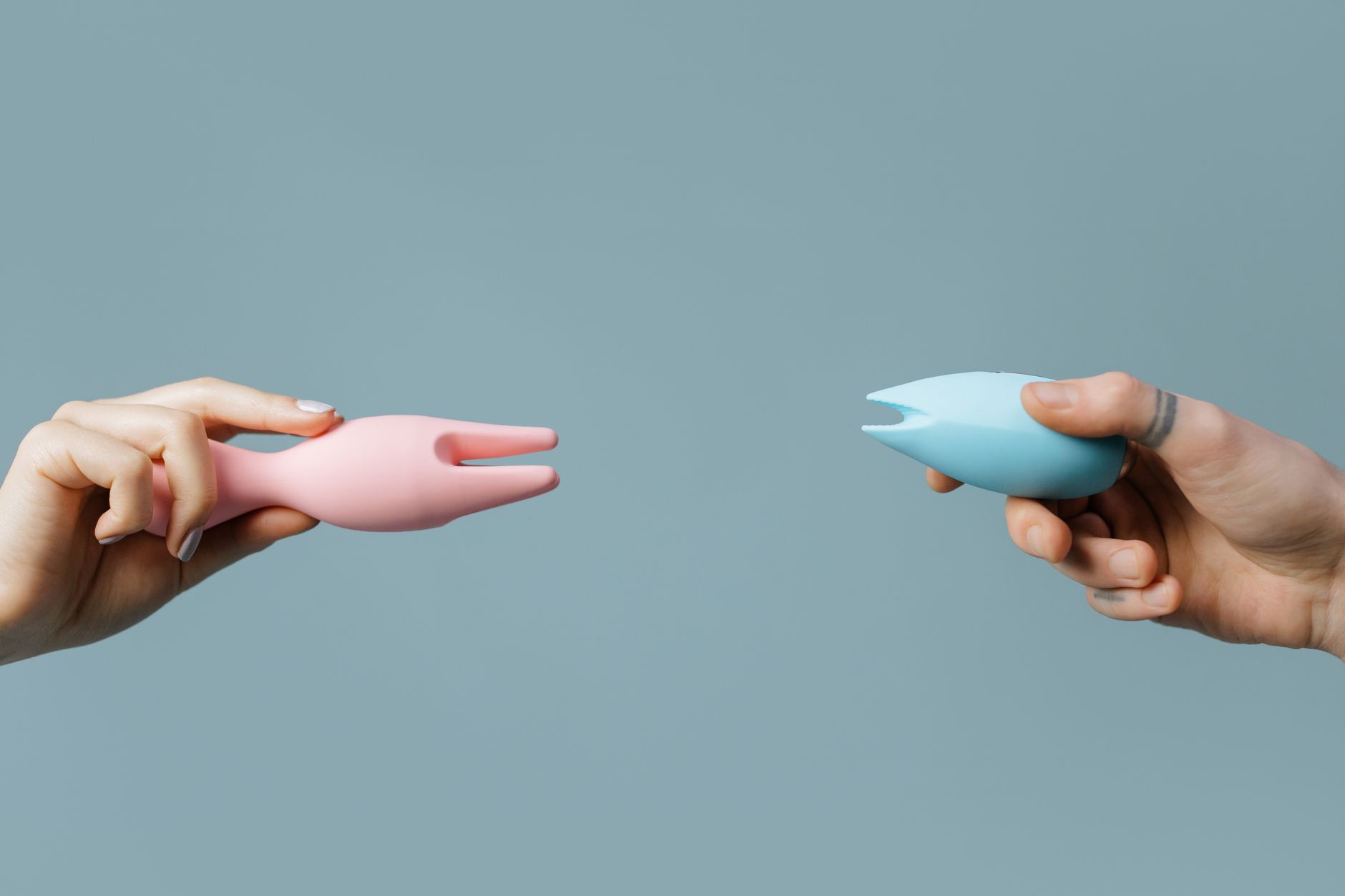
Let's name the thing nobody talks about
Your partner finishes in five minutes. You need twenty. This creates a silent math problem that sits in the room with you both. Neither of you says it out loud, but you both feel it. The clock becomes a third person in bed.
Here's what I know from two decades of couples therapy: this mismatch is one of the most common sources of sexual disconnection, and also one of the easiest to fix if you're willing to talk about it first.
The pressure your body actually feels
When you sense that your partner is waiting for you to finish, your nervous system does something predictable. It speeds up. You rush through your own arousal because you're trying to meet their timeline instead of yours. Ironically, rushing makes it harder to orgasm, which creates more waiting, which creates more pressure. Cycle complete.
Many people I work with report that this pressure has been baked into their sexuality for so long that they no longer know what their natural pace actually is. They've spent years trying to perform speed instead of pleasure.
A lemon clitoral vibrator like the Lemon Sucker changes this equation because it removes one variable: the guesswork about whether you're doing it "right." The suction technology works with your body's actual responsiveness, not against it. You're not timing yourself against a partner's patience. You're working with a device designed to match your own rhythm.
Why the timeline conversation has to happen first
Before you use any vibrator, you and your partner need to have the conversation you've been avoiding. Not during sex. Not in bed at night when you're tired. Over coffee, or during a walk, or whenever you can both actually listen.
The conversation isn't "I need you to wait longer." It's "I've been rushing myself, and that's making sex less good for both of us. I want to slow down."
That's different. That's collaborative.
Here's what helps: frame it as something you're doing together, not something they're doing to you. "I want to explore what happens if we build in more time" lands better than "You make me feel rushed." One invites partnership. The other creates defensiveness.
Expect some resistance at first. Partners who have gotten used to shorter timelines sometimes worry that longer foreplay means they're doing something wrong, or that you're no longer attracted to them, or that sex is becoming a project instead of fun. None of that is true, but saying so doesn't convince anyone. Showing so does.
How lemon adult toys actually help with this dynamic
A lemon clitoral vibrator gives you permission to take your time without narration. You're not explaining yourself. You're not performing. You're just using a device that's designed for pleasure on your timeline, not anyone else's.
Here's the practical part: when you use a lemon sexual toy, you can start with lower patterns and actually feel your own arousal building. Most people have never done this while being observed by a partner, because usually they're already rushing. The vibrator slows the whole interaction down.
Your partner gets to watch you discover what actually turns you on. That's intimate in a completely different way than performative speed.
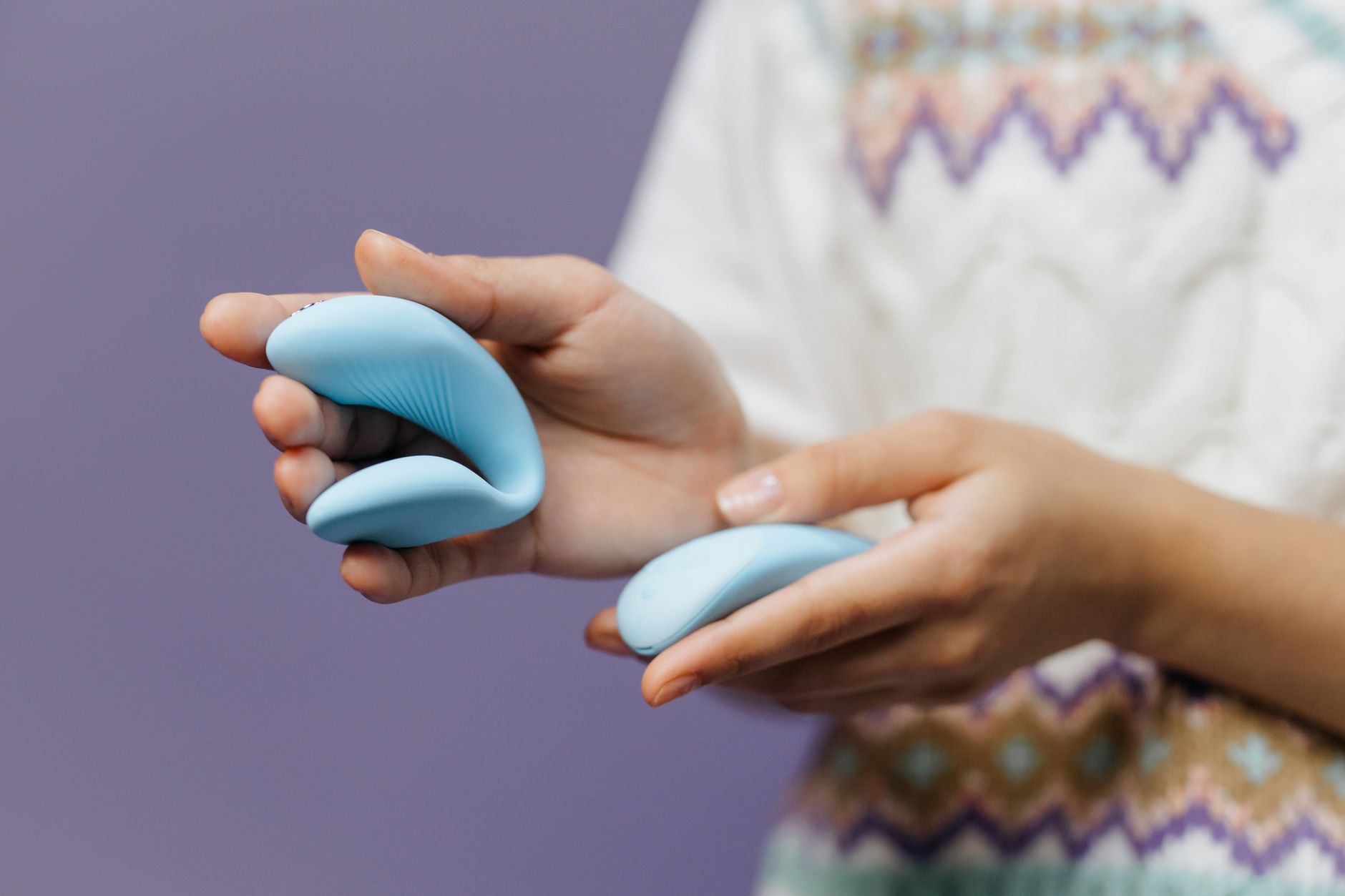
Photo by cottonbro studio on Pexels
Start with pattern one or two on your lemon vibrator. Stay there for five minutes minimum, even if you feel like you could speed up. Your body is learning that you're not in a race. This retraining takes time.
Building arousal slowly when speed is no longer the goal
Most people with vulvas need sustained, consistent stimulation to reach orgasm. Not intense. Sustained. There's a difference. Lemon clitoral vibrators are specifically designed for this because the suction creates a sealed, consistent sensation that doesn't require you to keep repositioning or increasing intensity.
When you're working with your partner's presence, slow arousal actually gives them something to do. They can touch you elsewhere. Kiss your neck. Hold your hand. Be present instead of waiting.
This is where couples often discover that their sexual mismatch wasn't really about timelines at all. It was about one person feeling left out of the other's pleasure. When you use a lemon vibrator slowly, your partner can participate in that journey instead of being sidelined by it.
Take twenty minutes instead of five. Use the lower patterns. Let your arousal actually build instead of sprint. Notice how different the orgasm feels when you haven't been rushing toward it.
What happens if your partner still seems impatient
Sometimes talking helps and sometimes it doesn't. Some partners have performance anxiety. Some have a lower sex drive and interpret longer sessions as rejection. Some genuinely just have faster timelines and feel anxious about extended intimacy for reasons they can't name.
If the pressure doesn't ease even after the conversation, that's information. It's not information that you're broken. It's information that you might need a couples therapist to work through the underlying mismatch.
I've seen this dynamic create real disconnection because one person is left feeling like their pleasure doesn't matter. Don't let that be you. Your timeline is not negotiable. Your pleasure is not a favor your partner is doing you.
A lemon clitoral vibrator is a tool for your own pleasure, not a performance aid. If your partner is using it as evidence that you should speed up, or if they're not willing to give you the time you need, that's a relationship issue, not a vibrator issue.
The shift that happens when you reclaim your pace
Most couples report that after they've addressed this, sex feels less like a project and more like connection. The partner who was waiting gets to participate. The partner who was rushing gets to actually experience pleasure. Everything changes.
You might discover that you don't actually need as much time as you thought. Or you might discover that you need more, and that's fine. The point is you'll know because you're not performing anymore. You're actually present.
Using a lemon suction vibrator regularly, on your own, also helps you reclaim your baseline. You learn what your actual arousal timeline is when there's zero external pressure. That information is valuable for every future conversation about pleasure, with this partner or any other.
Common questions about vibrators and relationship dynamics
Will using a vibrator make my partner feel inadequate?
Not if you frame it correctly. The conversation isn't "I need a vibrator because you're not enough." It's "I want to explore my own pleasure more fully, and I'd like you here with me." Those are completely different invitations. Your partner either wants to be part of your pleasure or they don't. If they don't, that's important to know.
What if I can only orgasm with the vibrator and not with my partner?
That's extremely common and doesn't mean anything is wrong with your relationship. It means your body has learned a specific pathway to pleasure. You can build new pathways over time by using the vibrator with your partner present, then introducing other kinds of touch alongside it. The vibrator is a bridge, not a dead end.
How do I bring up using a lemon vibrator without making it seem like an accusation?
Lead with curiosity, not criticism. "I want to try exploring this together" is different from "You're not getting me there." One is an invitation. One is a complaint. You can also suggest trying it as a couples thing where they hold it, or where you both experiment with different patterns. Taking the pressure off performance helps.
Should I be able to finish quickly sometimes and slowly other times?
Yes, and ideally you'd get to choose which timeline fits the current moment. If you're always feeling rushed, your body doesn't get to choose. That's the issue. Sometimes quickies are fun. Sometimes you want to take an hour. Both should be available to you without guilt.
What if my partner thinks vibrators mean I don't want them anymore?
This fear often comes from how vibrators are portrayed in movies and bad advice columns. A vibrator is not a replacement for partnered sex. It's an addition. You can use one together, you can use one alone, and you can have sex without one. All of it is fine. Frame it as expansion, not replacement, and give your partner concrete examples of how they fit into this new landscape.
Can using a lemon clitoral vibrator help us sync our timelines eventually?
Sometimes yes, sometimes no. What definitely helps is removing the shame and pressure from the conversation. Once that's gone, both partners usually relax, which makes everything easier. Whether your timelines eventually match or you develop other creative solutions depends on your specific dynamic. But at least you'll be working from a place of actual desire instead of performance.
The real shift
Your pleasure matters as much as your partner's. That's not generous. That's not a compromise. That's baseline.
When you use a lemon vibrator, you're not just changing your technique. You're changing the story you've been telling yourself about how fast you're supposed to be. That story is optional. You get to write a new one.
It starts with one conversation. Then it starts with permission. Then it starts with actually taking your time and discovering what that feels like. A lemon clitoral vibrator is just the tool. You're the one doing the reclaiming.