Here's what nobody tells you about desire mismatch
Your partner wants to be inside you. You want sustained clitoral stimulation. This is one of the most common disconnects in long-term relationships, and it shows up in so many conversations I have with couples. The stakes feel higher than they probably are because penetration and clitoral pleasure have been wrapped up in myths about what "real" sex looks like.
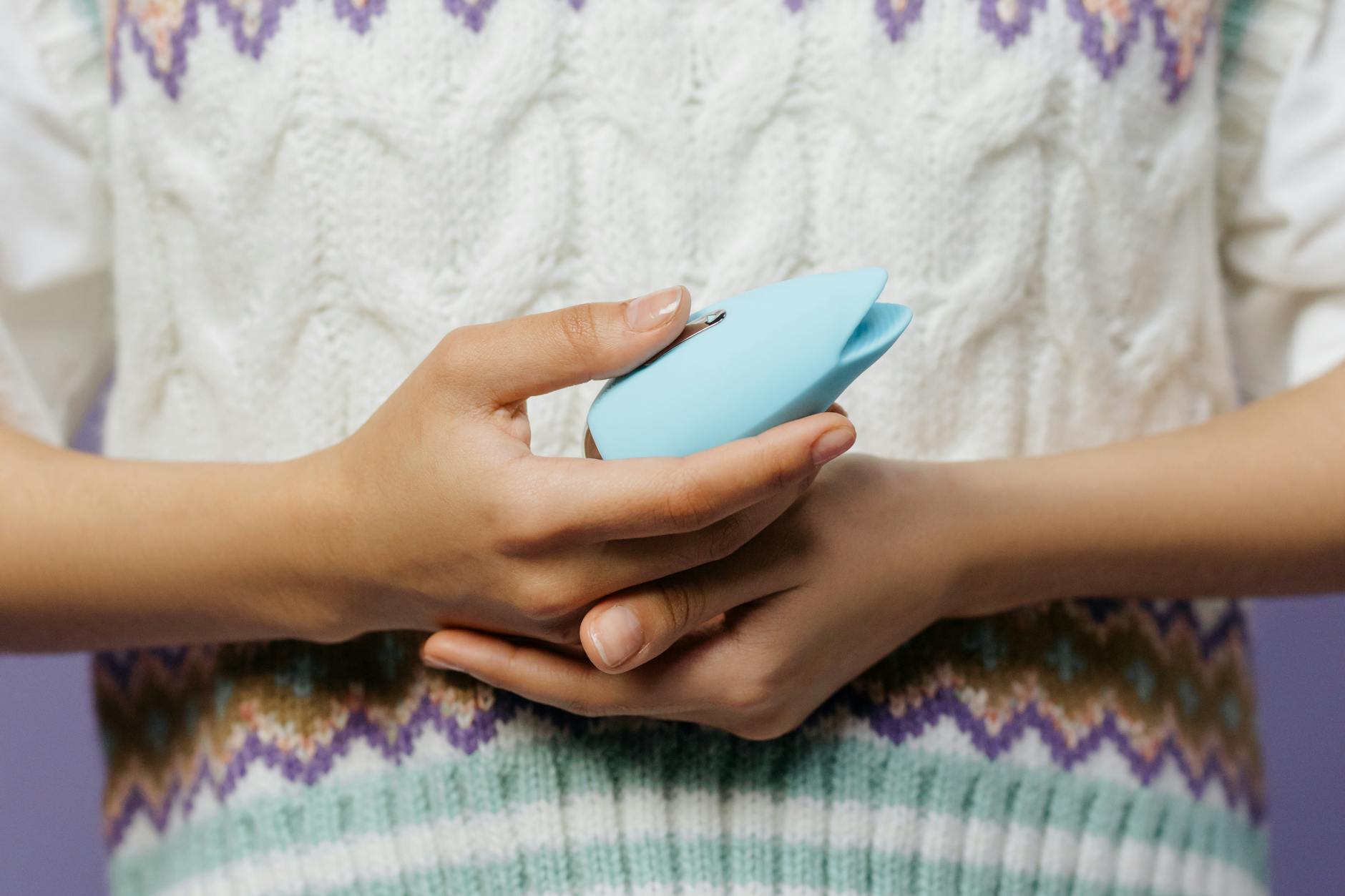
Let's untangle this: these aren't incompatible needs. They're just different access points to the same goal. A lemon vibrator doesn't choose sides. It becomes the tool that lets both of you win.
Why this mismatch exists in the first place
Physiologically, most people with vulvas need consistent clitoral stimulation to reach orgasm. The internal structures (the bulbs of the clitoris, the urethral sponge) do get stimulated during penetration, but for many people, it's indirect and insufficient. If your partner is used to penetration-focused partnered sex, they may not have realized that you were never actually finishing. Or they did notice but weren't sure how to adjust without it feeling like a rejection.
Meanwhile, your partner might derive arousal and pleasure from penetration itself. For some partners, the feeling of being inside matters more than watching you orgasm. For others, it's about intimacy, control, or the sensation of fullness. These are equally valid. The problem isn't that one preference is wrong. The problem is that most people have never been taught how to want different things at the same time without one person losing.
Here's the thing: you're not incompatible. You're just operating from different instruction manuals.
The reframe that changes everything
Instead of framing this as "you get your pleasure, I get mine," think of it as layering. Your clitoral vibrator isn't a consolation prize while your partner gets penetration. It's the accelerant. It's the thing that makes you both reach the finish line.
A lemon vibrator does something that fingers or a partner's body can't replicate: it delivers consistent, high-frequency stimulation without fatigue. When your partner is inside you and you're holding a lemon vibrator against your clitoris, you're not dividing your attention. You're focusing both kinds of stimulation at once. That layering effect is often when the deepest orgasms happen.
Many couples report that incorporating a clitoral vibrator actually makes penetration feel better for both people. Your partner feels the muscle contractions differently. You're more relaxed because you know you're going to reach climax. The whole dynamic shifts from "I hope this works" to "this is designed to work."
How to introduce this without it feeling like criticism
Timing matters. Don't bring this up mid-sex or when you're both already frustrated. Bring it up somewhere neutral. "I've been thinking about what would actually help me finish, and I think a lemon vibrator during penetration might change things for us both." Frame it as an experiment, not an indictment.
Many partners worry that suggesting vibrator use during sex means they're not enough. That fear is real and worth naming directly. Say it: "This isn't about you not being enough. This is about me being able to reach what I need while still having you inside me." The specificity helps. You're not asking them to leave. You're asking them to stay and add something.
Show them the research if they're skeptical. Studies on partnered vibrator use consistently show increased sexual satisfaction for both partners and more frequent orgasms. This isn't niche. It's mainstream.
The mechanics: what actually works during penetration
Not every position works equally. You need access to your clitoris while your partner can penetrate comfortably. Positions that work well:
Missionary variations. You're on your back, holding the lemon vibrator against your clitoris while your partner enters from above. The angle means they can feel what's happening below, and you have complete control of the vibrator. This is the most straightforward entry point.
Spooning from behind. Less intense penetration, but your clitoris is easily accessible with one hand while your partner is inside you. This position tends to feel more intimate and less goal-focused, which can help if either of you is carrying anxiety.
You on top. You control depth and pace of penetration while managing your own clitoral stimulation. This setup gives you the most agency, which matters if you've spent years feeling like pleasure was something that happened to you rather than something you directed.
Avoid positions where your partner is on top and you're trying to manage a vibrator underneath your body. It's awkward, your hand will go numb, and the whole thing becomes work instead of pleasure.
The settings and pacing question
Start with a lower pattern or intensity than you'd use alone. Your clitoris is already receiving indirect stimulation from penetration, so you need less from the vibrator itself. Many people who use a lemon vibrator solo at pattern 5 or 6 find that pattern 2 or 3 is perfect during penetration.
Why? Because the sensations layer. You're feeling your partner's movement, the vibration, and the internal pressure all at once. Too much intensity and it becomes overwhelming in a way that shuts things down rather than opens them up. You want to feel like you're building, not like you're being overstimulated.
Take time to find the right pattern. Not every setting will work with every pace your partner uses. Some couples find that a rhythmic pattern (like pattern 4 on a lemon vibrator) syncs better with penetration than a constant high frequency. Others prefer constant and let the combination create its own rhythm.
What to do when your partner feels anxious about the vibrator
This happens often. Your partner might worry that you'll focus on the vibrator instead of them. They might feel like they're being replaced. Here's what actually helps: direct communication about what you need from them. "I want to feel you moving inside me. The vibrator is just helping my clitoris catch up." Specific reassurance beats general reassurance every time.
Some partners do better if they can feel involved. Let them hold it sometimes. Have them control the pattern while you control the positioning. Make it collaborative. The moment it becomes "your toy, their body" instead of "our tool," the dynamic shifts from competitive to partnered.
If anxiety lingers, it might be worth exploring what's underneath it. Fear of inadequacy. Old messages about what real sex should look like. Worry that your pleasure matters more than theirs. These are relationship questions, not vibrator questions. A quick conversation or a few sessions with a couples therapist can help you both understand what's actually driving the resistance.
Setting expectations around timing and orgasm
Here's something crucial: adding a clitoral vibrator doesn't mean you'll orgasm every time. It increases your chances significantly, but it's not a guarantee. If your partner starts expecting that you'll finish every time you use the lemon vibrator, you've just created a new kind of pressure.
Talk about this beforehand. "This will probably help me orgasm more often, but not always. And that's okay." Take the performance pressure off. Make the goal about connection and pleasure in the moment, not a specific outcome.
Some sessions the vibrator turns things on. Some sessions you both just want to be close without it. Some sessions you'll use it and nothing happens and you'll laugh and move on. The healthiest relationships treat sex as variable, not as a problem to solve once and for all.
When this shift actually strengthens the relationship
What I've noticed working with couples over the years is that this conversation often opens a bigger conversation. You start talking about clitoral stimulation and suddenly you're talking about pleasure, desire, what you've been willing to ask for, and why. You're negotiating. You're learning what turns the other person on. You're discovering that your needs don't have to cancel each other out.
That's the real win. Not the orgasm (though that matters), but the fact that you figured out how to both be happy in the same bed. You learned that wanting different things doesn't mean you're incompatible. It just means you needed better tools and better conversation.
A lemon vibrator becomes less about the tool and more about what it represents: the willingness to find a solution that honors both people's needs.
Common questions about lemon vibrators during partnered sex
Is it weird to use a vibrator during penetration? Not even slightly. According to recent relationship surveys, roughly 50% of couples have used vibrators during partnered sex. It's become standard, not kinky.
Will my partner feel the vibration? Yes. Most partners report that they can feel the vibration through the internal structures, especially if you're using a pattern-based vibrator like a lemon vibrator. Many find it intensifies their own pleasure.
What if we both want to orgasm at the same time? Communication helps here. Talk about pacing. Some couples find that communicating timing ("slow down, I need more time") makes simultaneous orgasm possible. Others find that one person finishes first and that's fine. The pressure to come together is often higher than the actual pleasure of it.
Does using a vibrator make real penetration feel boring afterward? This is a real concern some people have. The answer depends on how you approach it. If the vibrator becomes a replacement, maybe. If it becomes one tool in a wider toolkit, no. Most couples find that mixing partnered sex with vibrators and penetration-only sex keeps things varied and interesting.
How do I know if a lemon clitoral vibrator is the right choice for couples play? A clitoral vibrator is specifically designed for external stimulation, which is what you need during penetration. A lemon vibrator's shape and size make it easy to hold against your body while a partner penetrates. Compare that to toys designed for internal insertion, which complicate penetration rather than complement it.
What if I still can't orgasm even with the vibrator? Difficulty reaching orgasm during penetration is extremely common. It's often not a personal or relational failure. If the vibrator doesn't shift things, it might be worth exploring whether tension, medication, or deeper relationship dynamics are at play. A conversation with a couples therapist or a sex-positive healthcare provider can help you understand what's actually getting in the way.
Can we use a lemon vibrator if we have very different body types or mobility differences? Absolutely. The position adjustments mentioned earlier are starting points, not rules. Most couples find that a few minutes of experimentation yields a position that works for both people's bodies and comfort levels. Pillows, furniture, and communication are your friends here.
The bigger picture
Wanting different things sexually doesn't mean you're incompatible. It means you get to have a conversation about what pleasure looks like for each of you. And when you use a tool like a lemon vibrator, you're saying to your partner: "I want both of our needs to matter. Let's find a way." That's intimacy. That's the stuff relationships are actually built on.
If you're ready to explore this, you know where to start. The conversation might be uncomfortable for ten minutes. The shift it creates tends to last much longer.