Let's start with the thing nobody says out loud
Mismatched libido is one of the most common relationship problems I see. Not because couples don't love each other, but because desire is biochemical, psychological, and deeply personal. It changes. And when one person's libido shifts up or down while the other's stays the same, the gap between them becomes a place where resentment lives.
Here's what I know: it's rarely about the person with the lower desire being broken, and it's never about the higher-desire partner being too much. It's a mismatch. And mismatches can be solved, but not by pressure and not by one person sacrificing themselves.
This is where tools like a clitoral vibrator actually matter. Not because toys are magic, but because they solve a specific problem: they let both people get what they need without demanding the other person become someone they're not.
The real problem with desire mismatch
When one partner wants sex significantly more often than the other, several things typically happen, and none of them are good.
The higher-desire partner starts feeling rejected. Even when the lower-desire partner says "it's not about you," the rejection feels personal. They begin initiating less, interpreting every no as evidence that their partner doesn't want them. Over time, they stop asking.
Meanwhile, the lower-desire partner feels pressure mounting. Every touch becomes loaded. They begin to dread sex instead of looking forward to it, which tanks their libido even further. It becomes a downward spiral.
Neither person is wrong. But both people end up feeling unseen. The higher-desire partner feels unwanted. The lower-desire partner feels like sex is an obligation they can't meet.

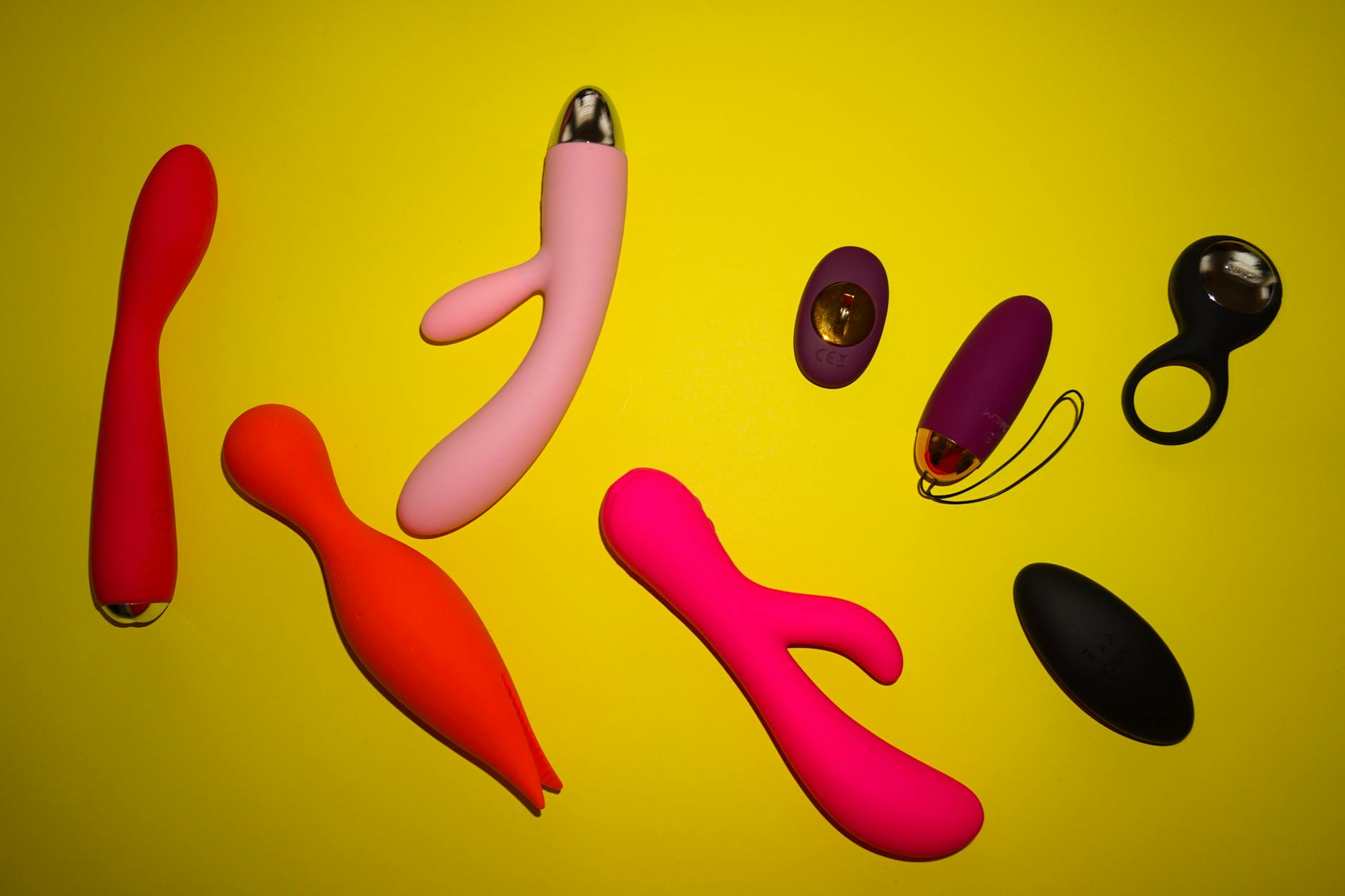
Photo by DRT.fm . on Pexels
A lemon clitoral vibrator offers a third path. Not a replacement for partnered sex. A complementary option that lets both people access pleasure without forcing the other person to perform.
How this actually works in practice
The higher-desire partner uses a lemon vibrator solo or during partnered foreplay without penetration. This does three critical things simultaneously.
First, it removes the pressure from the lower-desire partner. They're not being asked to perform on a schedule that doesn't match their body. That relief is huge. Over time, as the pressure lifts, genuine desire often returns. Not always. But the shame and obligation that killed it first need to go.
Second, it keeps the higher-desire partner from accumulating resentment. They're getting sexual release and pleasure on their own timeline. They're not festering in rejection. This sounds small, but it changes everything about how they show up in the relationship.
Third, it opens a conversation. When a partner says "I'm going to use a toy to get off," it's not a rejection of their partner. It's actually an invitation to understand each other's needs better. Some partners want to watch. Some want to be nearby but not involved. Some want to help direct what happens. Each of those choices builds connection in a different way.
The conversation you need to have first
Using a lemon vibrator doesn't solve desire mismatch by itself. What it does is remove one source of conflict so you can actually address the real issue.
Before anyone buys a toy, sit down and have this conversation when you're both calm and clothed. Not during sex, not during a fight. Over coffee or in the car.
Start like this: "I've been noticing our sexual desires don't match right now. I don't think either of us is wrong. I think we're just different. And I want to find a way that works for both of us instead of one of us sacrificing."
Then listen. Really listen. The lower-desire partner might say:
"I feel pressured." Or "I'm exhausted." Or "I don't know what I want anymore." Or "I'm stressed about work." Or "I'm touched out." These are clues, not excuses.
The higher-desire partner gets to say: "I miss feeling desired. I'm frustrated. I'm starting to feel disconnected."
Neither statement is wrong. They're both true. And they're not about the other person being a bad partner.
Then you can say: "What if I used a toy on my own when I need release, so I'm not carrying that pressure into our relationship? And we could still prioritize connection and intimacy in other ways."
Using a lemon vibrator when you're the higher-desire partner
If this is you, here's the practical approach.
First, normalize it. You're not doing this because your partner isn't enough. You're doing this because your body has needs, and your relationship is strong enough to accommodate that. Frame it that way, internally and when you talk about it.
Second, create space for it that doesn't feel like you're hiding. Use a lemon clitoral vibrator in a time and place where you're intentional about it, not shameful. Some people set aside 20 minutes a few times a week. Others do it whenever the urge hits, without making it weird.
Third, stay connected to your partner emotionally even when you're being sexual alone. This is counterintuitive, but it matters. You might ask your partner if they want to be nearby, or you might tell them what you did, or you might simply make sure you're still touching them affectionately throughout the day. Pleasure and intimacy aren't the same thing. You can have one without the other, but a relationship thrives when you're cultivating both.
Fourth, use what you learn. When you use a lemon vibrator solo, you're learning exactly what your body responds to. That information is gold. You can bring it into partnered sex and guide your partner toward what actually works for you, instead of both of you guessing in the dark.
Using a lemon vibrator when you're the lower-desire partner
If your partner's higher libido has been causing tension, and they've suggested using a toy, here's how to think about it.
This is not a rejection of you. I know it can feel that way. But it's actually the opposite. Your partner is saying "I value our relationship too much to let this become resentment. I'm going to find a way to meet my own needs so I can show up better for us."
You don't have to participate. But you do have to support it. Supporting it means:
Not making it weird or shaming them. Not checking in obsessively or asking lots of questions. Just acknowledging that this is happening and it's okay.
Taking the pressure off yourself to perform. This is the real gift. You don't have to want sex when you don't want it. You can say no without guilt. That guilt was killing your own desire.
Asking yourself honestly why your libido is lower. Is it stress? Exhaustion? Medication? Hormones? Relationship issues? Boredom? Medical conditions? Each answer points to a different solution, and sometimes it's not a vibrator at all. It might be therapy. It might be seeing a doctor. It might be that you need more emotional intimacy before sexual intimacy makes sense.
When to bring in professional help
Here's the thing: a lemon clitoral vibrator can ease tension, but it can't fix everything.
If desire mismatch is paired with other relationship problems. resentment, poor communication, infidelity, or deep emotional disconnection. you need a couples therapist, not a toy. Toys are tools. They solve logistics, not betrayal or contempt.
If the lower-desire partner's libido dropped suddenly and dramatically, that's worth mentioning to a doctor. It can signal depression, hormonal shifts, medication side effects, or medical conditions that are actually treatable.
If one person is using masturbation as a way to avoid intimacy entirely, that's a different problem. Solo sex is healthy. Replacing all partnered sex with solo sex is avoidance, and avoidance damages relationships.
A good couples therapist can help you untangle what's actually happening and whether a lemon vibrator is part of the solution or whether you need something else entirely.
People also ask
How often should my partner and I have sex if our libidos don't match?
There's no magic number. But research suggests that couples who communicate about frequency without pressure have better outcomes than couples who follow a rule. The conversation is more important than the number. You might settle on "twice a week feels good for you, I need three times. Let's do two together and I'll take care of myself the third time." Or you might say "right now once a week is all I can manage, but let's check in in three months." The point is honesty without obligation.
Is it normal for libido to change in a long-term relationship?
Completely normal. Desire fluctuates with stress, health, hormones, medications, age, life transitions, and relationship dynamics. Most couples experience at least one significant shift in desire mismatch over the course of being together. It's not a sign your relationship is failing. It's a sign you're both human.
Can using a lemon vibrator improve my relationship?
Not directly. But it can remove one source of resentment and tension, which gives your actual relationship room to breathe. Think of it as clearing an obstacle, not as building a bridge. You still have to do the real work: communication, connection, understanding each other's needs. The toy just makes that work feel less urgent and desperate.
What if my partner is uncomfortable with me using a vibrator?
That's a conversation worth having. Is the discomfort about jealousy? Feeling inadequate? Worries that you'll become addicted to the toy? Each of those deserves exploration. Sometimes education helps. Sometimes it's deeper. Sometimes a partner comes around. Sometimes they don't. But suppressing your own needs isn't the answer either. How to Reconnect With Pleasure After Anxiety Blocks Arousal might offer some perspective.
Should we use a lemon vibrator together during partnered sex?
That's entirely up to you. Some couples find that integrating a clitoral vibrator into partnered sex feels collaborative and increases pleasure for both people. Others prefer to keep solo sex separate from partnered sex. There's no right answer. What matters is that you both feel comfortable with what's happening.
How do I know if our libido mismatch is worth staying together?
That's not about the vibrator. That's about whether you both want to find solutions. If one person is unwilling to acknowledge the problem or work toward it, that's a relationship issue that goes deeper than desire. If both people care and are willing to try, desire mismatch is absolutely solvable. How to Use a Lemon Vibrator When You Want Deeper Connection With Your Partner addresses this from a connection angle.
The thing about tools and relationships
A lemon vibrator won't save a relationship. But it can give a relationship room to breathe. It removes the assumption that one person's sexual needs must always perfectly match the other's. It lets people get what they need without forcing their partner to perform.
The real work is the conversation. It's the willingness to understand that mismatched libido isn't a referendum on your partner's worth or your relationship's viability. It's just data. And data can be worked with.
Use this tool. Have the conversation. And if you're stuck, reach out to someone trained to help. That's what we're here for.
Sources
Gottman, J. M., & Silver, N. (2015). The Seven Principles for Making Marriage Work. Harmondsworth: Penguin.
Meston, C. M., & Frohlich, P. F. (2000). The Neurobiology of Sexual Function. Archives of General Psychiatry, 57(11), 1012-1030.
Dubé, J. P., Trudel, G., & Proulx, S. (2005). Sexuality and Marital Relationships in the Context of Aging. Journal of Couple & Relationship Therapy, 4(2-3), 85-98.
Barasch, D. P., & Lipton, J. E. (2001). The Myth of Monogamy: Fidelity and Infidelity in Animals and People. New York: Henry Holt.