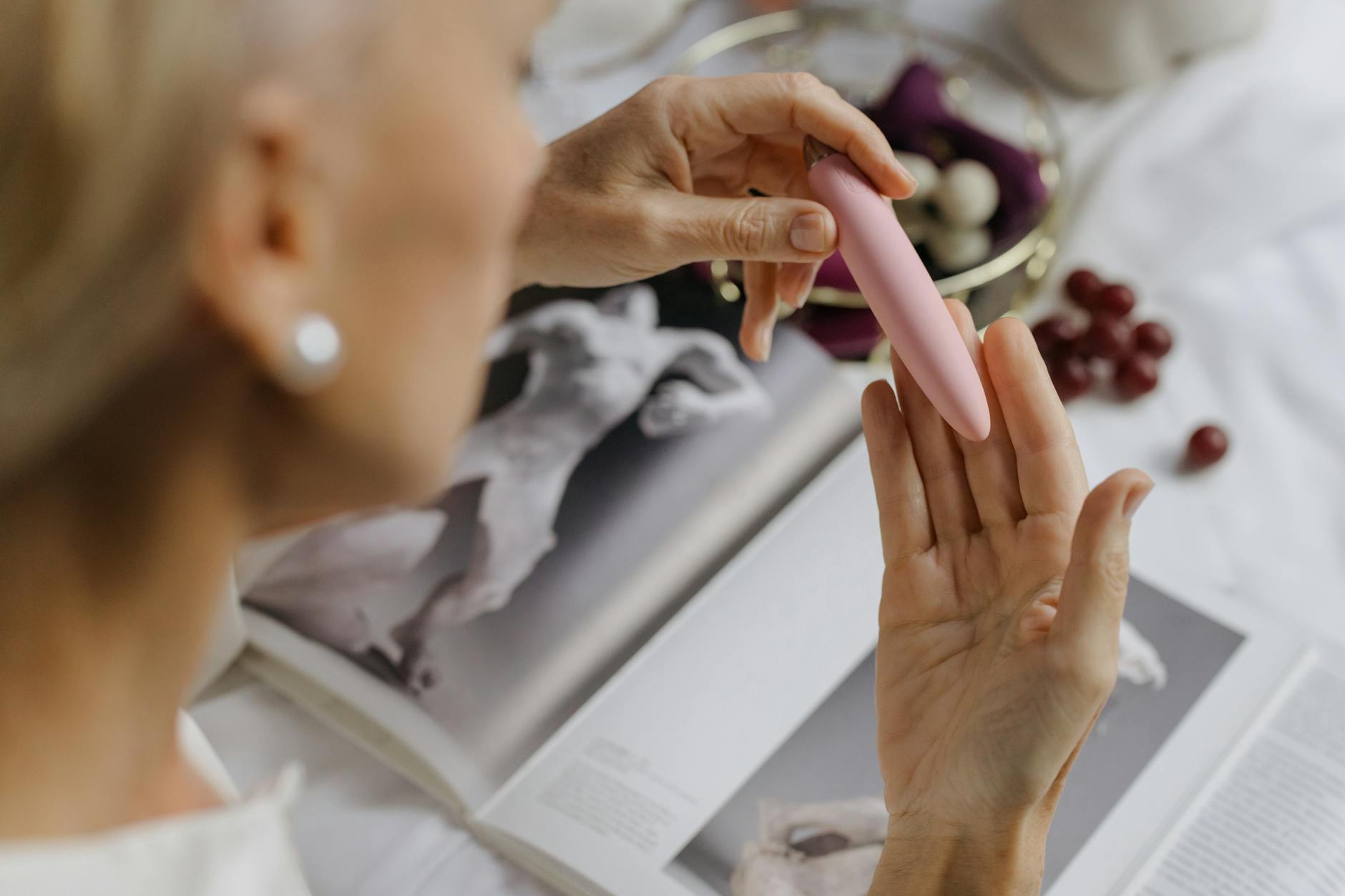
Let's talk about what actually heals
Here's the thing nobody tells you clearly: your pelvic floor doesn't just need rest after pregnancy. It needs smart reintroduction to sensation and pleasure. Waiting six weeks and then assuming you're ready to go is how people end up with pain, frustration, and avoidance that lasts years.
If you're thinking about using a lemon vibrator again postpartum, you're already asking the right questions. This isn't about forcing pleasure back faster. It's about understanding how your body heals, what your pelvic floor actually needs, and how a tool like a lemon clitoral vibrator can support that healing instead of triggering setbacks.
The postpartum pelvic floor is not the same as your pre-pregnancy floor
Whether you had a vaginal delivery or a c-section, pregnancy fundamentally changes your pelvic floor. The muscles stretched, the nerves got irritated, the tissue needs time to rebuild its integrity. A lemon sucker's suction mechanism is gentler than most vibrators, but gentleness only matters if you time it right.
Most people get clearance to have penetrative sex around six to eight weeks postpartum. But clearance to have sex isn't the same as readiness for pleasure or stimulation. You can technically tolerate something without it feeling good. And you can trigger pain months later if you rush the reintroduction.
The key variable is pelvic floor tension. After birth, your floor is often hypertonic, meaning tight and defended. It's not weak. It's locked. Suction stimulation on a locked, healing pelvic floor can feel sharp, triggering, or simply painful.
Why suction works differently postpartum
A lemon vibrator uses suction rather than vibration to stimulate the clitoris. This is generally easier on sensitive tissue because it doesn't involve the same kind of mechanical friction. But postpartum, there's a critical detail: suction creates pressure changes that can aggravate a tight pelvic floor if the muscles aren't ready to release.
The clitoris is also more richly innervated postpartum. Inflammation, scar tissue sensitivity, and nerve irritation from birth trauma (even without visible tears) mean stimulation that felt neutral before might feel intense or uncomfortable now.
Timing matters. So does approach.
The timeline most people don't know about
Weeks 0-6: Pelvic floor rest. Don't use any toys. Let swelling go down and bleeding stop.
Weeks 6-12: The reintroduction window. You might have medical clearance, but your body is still early in healing. This is when you test sensation and pelvic floor response on very low intensity.
Weeks 12-16: Gradual ramping up. If weeks 6-12 went smoothly without pain or increased swelling, you can start building intensity and duration.
Months 4+: Full reintroduction. Most people can return to pleasure-focused use, though some residual sensitivity lingers for six to twelve months.
That said, everyone's timeline is different. Healing depends on birth severity, whether you had stitches, whether you're breastfeeding (affects tissue hydration), and your baseline pelvic floor health before pregnancy.
How to actually start with a lemon clitoral vibrator postpartum
First, check in with your pelvic floor. Lie on your back with your knees bent. Press your fingers about an inch inside your vagina and gently feel your pelvic floor muscles. They should feel soft, not like a rigid fist. If they feel tense and gripping, your floor needs more breathing work before toy play.
Second, lubricate generously. Postpartum vaginal tissue is often drier, especially if breastfeeding. Water-based lube isn't optional. It's essential. Use more than you think you need.
Third, start with external stimulation only. Place your lemon vibrator on the lowest setting against your clitoris for ten to twenty seconds. Notice what you feel. Pleasurable? Neutral? Sharp? Stop if you feel anything besides gentle sensation.
Fourth, keep sessions under five minutes in these early weeks. Your nervous system is recalibrating. Short, consistent exposure is better than one longer session.
Fifth, wait at least a day between sessions. This gives your pelvic floor time to integrate the sensation without overloading. If you feel soreness or increased cramping the next day, extend to a two-day break.
Red flags to pause immediately
Sharp or burning pain is not normal and shouldn't be pushed through. Stop, rest, and mention it to your midwife or pelvic floor physical therapist. Increased cramping or a heaviness that lasts hours after use means you went too fast. Back up your timeline. Increased bleeding or swelling is also a sign to pause. Your body is telling you the healing isn't ready for stimulation yet.
The mental piece matters as much as the physical one
A lot of postpartum people feel anxious about pleasure. Your body changed, maybe it hurt, you were touched constantly by medical staff and then by a baby. Pleasure can feel dangerous or selfish or just impossible. Then you add the practical layer: exhaustion, no privacy, touch-aversion from feeding or caregiving.
Introducing a lemon vibrator isn't about forcing pleasure. It's about sending your nervous system a signal that pleasure is safe again. That can take weeks or months to feel true. Start with the expectation that this might feel emotionally loaded, and that's completely normal. The goal at first isn't orgasm. It's reclamation.
Pelvic floor physical therapy speeds everything up
If you have access to a pelvic floor physical therapist, now is the time. A good PT can assess your specific healing, identify where you're holding tension, and give you targeted exercises that prepare your floor for pleasure. Some people get dramatically better in four to six sessions.
You don't need ongoing weekly PT. One or two assessments can answer questions like: Is my pelvic floor actually ready for toy use? Do I have scar tissue sensitivity? Are my muscles tight, weak, or both?
That information is worth its weight in gold when you're trying to figure out why something doesn't feel right.
Building back intensity: the gradual method
Once you're consistently using your lemon vibrator on low settings without pain or cramping, you can start to build. Increase to medium after a solid week of low-setting comfort. Add another thirty seconds to your session time. Gradually extend the gap between sessions if you're feeling good.
Intensity increases should be weeks apart, not days. Rushing this is how people end up with pelvic floor flare-ups that set them back months. Patience sounds boring. It actually saves time.
Partners: if you're using a lemon vibrator with someone, communicate constantly. Postpartum bodies often need less intensity than before, and the person using the toy might not voice that without explicit permission to do so.
When to check in with a professional
If pain persists beyond a few weeks, if you're having trouble with arousal or sensation, or if you're feeling emotional blocks about pleasure, talk to your midwife, OB, or a sex-positive therapist. Postpartum depression often shows up as pleasure loss. Hormonal shifts, especially if breastfeeding, affect arousal and sensation. These are treatable. You don't have to white-knuckle through it.
For specific pelvic floor concerns, a pelvic floor physical therapist is your expert, not your vibrator.
FAQ
When is it safe to use any vibrator after pregnancy?
Most medical providers clear penetrative sex at six weeks, but that doesn't mean your pelvic floor is ready for vibration or suction. External-only toy use can begin around week six on very low intensity if your body feels ready. If you had significant tearing, episiotomy, or a c-section, check with your provider first. Some people need twelve weeks before even external stimulation feels comfortable.
Will using a lemon vibrator delay my pelvic floor healing?
No, not if you do it slowly and stop at the first sign of pain. Gentle, progressive stimulation actually helps recalibration of pelvic floor nerves. The risk comes from going too hard too fast or ignoring pain signals.
Can I use a lemon clitoral vibrator if I'm breastfeeding?
Yes. Breastfeeding doesn't make toy use unsafe. Your breasts might be tender or off-limits during intimacy, and that's worth communicating. Breastfeeding can lower estrogen, which affects vaginal tissue dryness, so lube becomes even more important.
What if I had a c-section? Can I use a lemon sucker?
C-section recovery is different from vaginal birth recovery, but your pelvic floor still went through nine months of pregnancy. You might not have the same tissue trauma, but the muscular and nervous system adaptation is similar. Start slowly around week eight or nine, and listen to your body. If pain appears, pause and assess.
Is it normal to feel nothing down there postpartum?
Completely normal. Inflammation, scar tissue, hormonal shifts, exhaustion, and psychological factors all contribute to reduced sensation. Numbness or reduced pleasure typically improves over months, especially with pelvic floor physical therapy. A lemon vibrator can help, but it's one tool among several.
How do I know if my pelvic floor is ready?
You should be able to do a basic pelvic floor contraction without pain, you should have minimal swelling or discharge, and you should feel mentally ready to explore pleasure again. If you're anxious about pain, that's worth processing with a therapist before you introduce toys. Your nervous system needs permission, not just clearance.
Rebuild pleasure on your own timeline. Your body just did something extraordinary. It deserves rest, patience, and eventually, reclaimed joy. A lemon vibrator can be part of that recovery, but only if you approach it with the same wisdom you'd bring to any postpartum healing. Your pelvic floor will thank you.