When your partner finally leans in again
Let's be real. Months of your partner pulling away from touch is brutal. You stop reaching out. The bed feels wider. You start to wonder if this is just how things are now. Then one night, something shifts. Your partner's hand finds yours. They lean close. After so long, the touch you've been craving is suddenly possible again.
Now what?
This moment is fragile, and it's also full of possibility. If you rush it, you risk recreating the old patterns. If you move too slowly, you can lose momentum. A lemon vibrator isn't the solution to emotional distance, but it can be a language for rebuilding physical pleasure when words feel clumsy and trust has gotten thin.
Why touch avoidance happens (and what it's really about)
Partners withdraw from physical touch for a bunch of reasons, and almost none of them are "I don't love you." Stress puts the nervous system on high alert. Depression flattens desire. Anger creates invisible walls. Feeling unheard or unseen kills the openness that physical intimacy requires. Sometimes it's both people contributing without realizing it—one partner reaches out, gets rejected, stops trying. The other interprets the silence as lack of interest and retreats further.
The avoidance isn't punishment. It's usually protection.
When touch returns, it doesn't erase that history. Your nervous system remembers the reaching out that wasn't met. Their nervous system remembers whatever triggered the withdrawal in the first place. Rebuilding physical connection isn't about pretending the distance never happened. It's about slowly, intentionally creating new touchpoints that feel safe.
The first rule: consent actually has to be enthusiastic
This is where most people get it wrong. After avoidance, partners often think "well, they reached out, so they're ready for anything now." Not necessarily. Your partner returning to touch is a start, not a green light for escalation. They might be ready for hand-holding and kissing, but genuinely uncertain about sex. They might want to be sexual but need to go slowly. They might be testing the waters while still being scared.
Here's what actually matters: you need to ask. "I've missed being close to you. What would feel good right now?" sounds simple, but it does something important. It says you're paying attention to their readiness, not just your own relief at being wanted again. It reestablishes that their pleasure and comfort matter, which is the foundation everything else sits on.

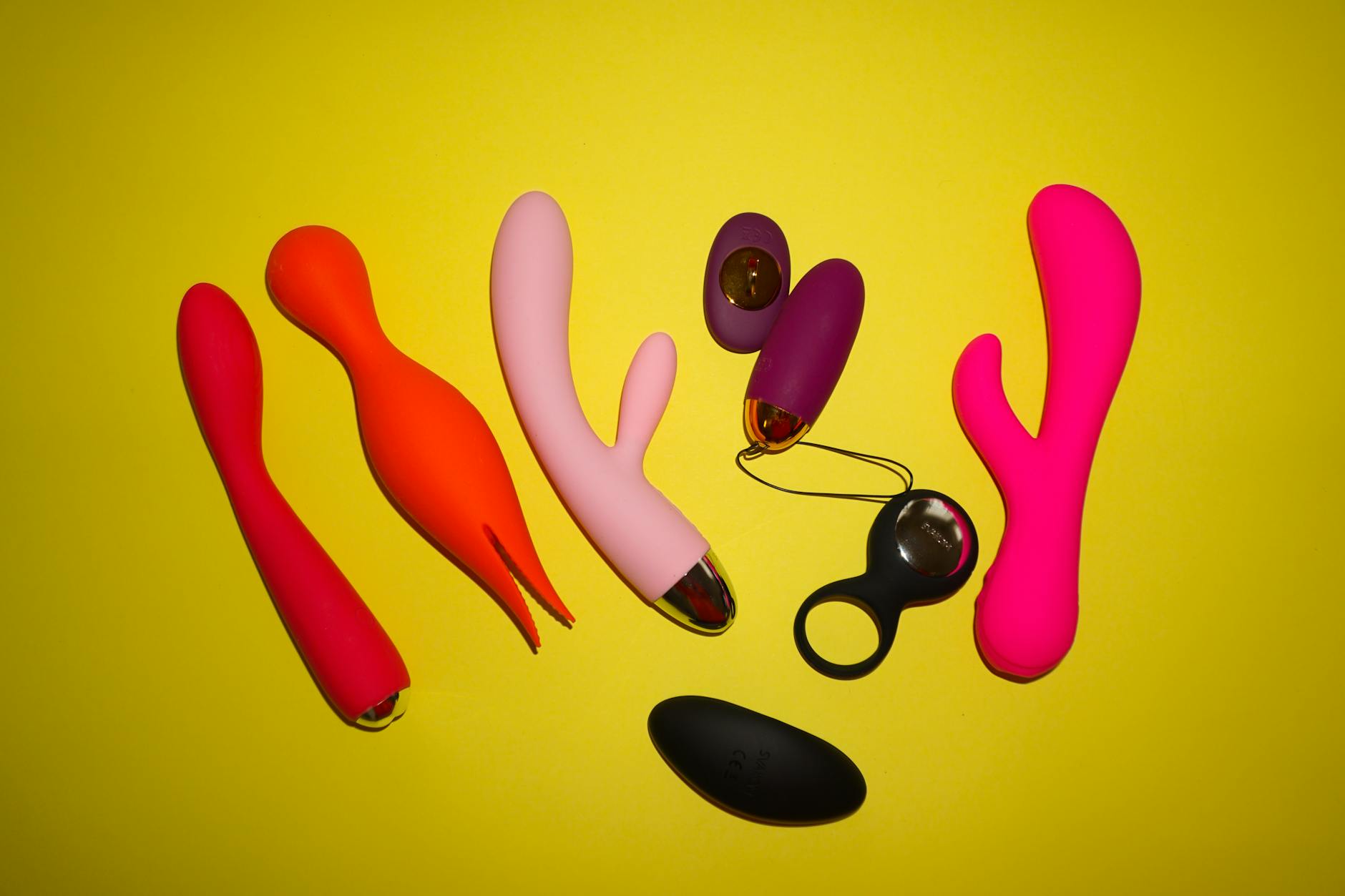
Photo by DRT.fm on Pexels
Why a clitoral vibrator helps specifically
When physical intimacy has been missing, there's almost always some anxiety attached to it. "Will this feel weird now?" "What if we can't get back to how it was?" "What if this happens again?" A lemon vibrator, specifically one like the Lem with its suction-based design, takes some of that pressure off because it's not about performance or synchronization with a partner. It's about direct pleasure, for you, on your terms.
Using it together (or showing your partner how you use it) does something emotional too. It's not vulnerable in the defensive way that emotional conversations sometimes feel. It's vulnerable in the embodied way. You're saying "here's what my body needs, here's how I experience pleasure, and I want you to know me this way." That's intimacy in a different language, and sometimes when words have failed, a different language is exactly what you need.
The suction action of a lemon clitoral vibrator also means there's no pressure on sensitive tissue. If anxiety has been making arousal harder (which it does), this gentler approach often feels more accessible than penetration or other forms of direct stimulation.
How to actually use it when your partner is returning to touch
Start with solo exploration first if you've had a long gap in sexual contact. Use your lemon vibrator or another clitoral vibrator alone a few times to remember what your body can feel. This isn't selfish. It's recalibration. You need to know what arousal, ease, and pleasure feel like on your body before you share that with your partner again.
When you're ready to invite your partner in, the conversation matters as much as the device. "I want to show you something I've been exploring" feels different than "I want you to watch me use this toy." One sounds like collaboration. The other can feel like performance, which is the opposite of what reconnection requires.
Start with your partner outside the direct action. They can sit beside you, hold your hand, kiss your neck, talk to you. The lemon vibrator is doing the physical work. Your partner is creating context, connection, reassurance. This layers sensations and takes pressure off both of you to "perform" in the old way.
If your partner seems curious or interested, you can guide their hand. Let them hold the vibrator while you direct the placement and pressure. This collaborative piece matters because it rebuilds the sense that your bodies work together, not against each other or in isolation.
The timing question (when to introduce this)
Don't bring a toy to the bed on the first night your partner touches you again. Let there be a few nights of hands, mouths, simple closeness. Your nervous systems need to remember that touch can be safe before you layer complexity on top of it.
But don't wait too long either, assuming that oral sex or penetration will be the default return path. Sometimes the old patterns are what triggered avoidance in the first place. Introducing new touch—collaborative, pleasure-focused, less outcome-dependent—can actually prevent sliding back into distance.
Timing is usually something like: you've had a few good nights of easier touch. You've had conversations about what you each want. You've used the vibrator solo or with a partner watching. You know it feels good to you. Now you're inviting your partner to be part of that pleasure. That's probably week two or three of reconnection, not the first night.
What to expect emotionally
Rebuilding touch after avoidance can bring up all kinds of feelings. Relief. Sadness about the time lost. Lingering uncertainty. Arousal and also grief happening at the same time. That's normal and it doesn't mean something is wrong.
Some people cry during sex again after a long gap. Some people feel unexpectedly vulnerable. Some people's bodies respond slowly because the nervous system is still learning that this is safe. When sensation returns after numbness, the reconnection is sometimes joyful and sometimes overwhelming.
If you find yourself flooded with emotion, pause. Talk about it. A lemon vibrator isn't a distraction tool or a way to skip over the feelings. It's an addition to intimacy, not a replacement for communication.
The conversation you might need to have
If the avoidance was about more than just stress or temporary withdrawal—if it was connected to disconnection, resentment, or unmet needs—a vibrator won't fix that. What it can do is create a space where pleasure is possible again, which makes it easier to have the harder conversations.
Sometimes couples say "once we started being physically intimate again, we actually felt less defensive about talking about the distance." The physical reconnection didn't solve the problem, but it shifted the dynamic from two people braced against each other to two people on the same side. From there, addressing the root causes of avoidance becomes possible.
Using lemon vibrators as part of rebuilding
Your partner's return to touch is an opening. A lemon clitoral vibrator like the one by Buy Lem Sucker can be part of how you step through that opening together. The goal isn't to use a toy. The goal is to rebuild a body-to-body conversation where both of you feel wanted, curious, and safe.
Start slow. Check in often. Let your partner know what feels good. Ask what feels good for them. A vibrator is just a tool. You're the relationship expert on your own experience.
People also ask
How long does it usually take for physical intimacy to feel normal again after avoidance?
There's no timeline. Some couples reconnect physically within weeks of the shift happening. Others take months because the emotional distance lingers even after touch returns. The key is that you're both moving in the same direction. If it's been three months and your partner is still pulling back, that's worth addressing directly rather than assuming time alone will fix it.
Can I use a lemon vibrator if my partner hasn't actually agreed to it yet?
Yes, for solo use absolutely. But don't surprise them with it during sex without conversation first. Many people have complex feelings about toys—shame, insecurity, curiosity, skepticism. Introducing one without context can feel like a criticism ("my body isn't enough") or a power move. The conversation usually takes 10 minutes and prevents misunderstanding. Something like "I've been wanting to explore this separately and I thought it might be fun to share sometime if you're interested" opens the door.
What if my partner seems interested in touch but still gets anxious during sex?
Anxiety often lives in the body longer than it lives in the mind. Your partner might genuinely want physical closeness but find that their nervous system kicks into protection mode once you're close. This is really common after periods of avoidance. Slowing down helps. Checking in during sex helps. Sometimes using a lemon vibrator actually helps because it's less about synchronization and more about individual pleasure, which paradoxically can reduce performance anxiety.
Is it normal to feel hesitant even after my partner reaches out?
Completely. You've been protecting yourself from rejection. Your nervous system learned "reaching out gets hurt" and it doesn't turn that off just because your partner suddenly wants touch. You might find yourself pulling back even though you've been wanting closeness. That's not a sign to push through. That's a sign to go slowly and maybe talk about your own hesitation with your partner. Mutual vulnerability rebuilds trust faster than performance.
Should we have sex or just be intimate without trying for orgasm?
There's no "should." Some couples find that taking orgasm and penetration off the table for a while actually helps because there's no pressure or goal. Everything becomes sensation and connection. Others find that having fully sexual experiences reassures them that things are back to normal. Ask each other what would feel good. Give yourself permission to change your mind partway through. Flexibility is more important than having a plan.
If I introduce a lemon vibrator and my partner gets upset, what do I do?
Pause. Listen. Their upset might be about the toy itself, or it might be about feeling like they're not enough, or it might be about something from their past that toys triggered. None of that means the relationship is broken. It means you need to understand where the reaction is coming from before you move forward. Sometimes what starts as "I don't like toys" becomes "I was ashamed of my body and I thought you were too" when you actually talk. That's worth the conversation.