The numbness nobody talks about
Pelvic floor dysfunction doesn't just cause pain or urgency or heaviness. For many people, it dulls sensation in the exact place where you're supposed to feel the most. Touch becomes distant. Arousal takes longer to register. Pleasure, when it arrives, feels muted, like you're experiencing it through a thick pane of glass.
That sensory deadening is often the hardest part to rebuild. Physical therapy addresses the tension and strength, but restoring nerve sensitivity to the clitoris and vulva is a slower, quieter process that no one seems to mention until you're three months into recovery wondering if your body will ever feel alive again.
It will. And lemon clitoral vibrators are one of the most effective tools for speeding that return.
What happens to sensation when pelvic floor dysfunction shows up
Your pelvic floor muscles are hyperactive. They're in a state of low-grade clenching that never fully releases. When muscles stay contracted over weeks or months, two things happen to the nerves running through them. First, the constant tension restricts blood flow, so nerve endings get less oxygen and nutrients. Second, your nervous system adapts to the chronic contraction by dampening sensory signals. Your brain essentially turns down the volume to protect you from the discomfort of living in a squeezed state.
The result is sensory blunting. Light touch feels less noticeable. Arousal cues that used to register immediately now need more input to be felt at all. For people with vulvas, clitoral sensation often becomes the most affected because the clitoris has the highest concentration of nerve endings, and those nerves are acutely sensitive to pelvic floor tension.
This is not psychological. It's not in your head. It's a measurable, physical shift in how your nervous system is processing touch.
Why air-suction changes the equation
Most traditional vibrators work via oscillation. They buzz or vibrate against tissue at frequencies between 40 and 300 Hz. That's useful for a lot of bodies, but for someone recovering from pelvic floor dysfunction, oscillating vibration can actually perpetuate the problem. It can trigger the pelvic floor muscles to contract protectively, which defeats the rewiring you're trying to do.
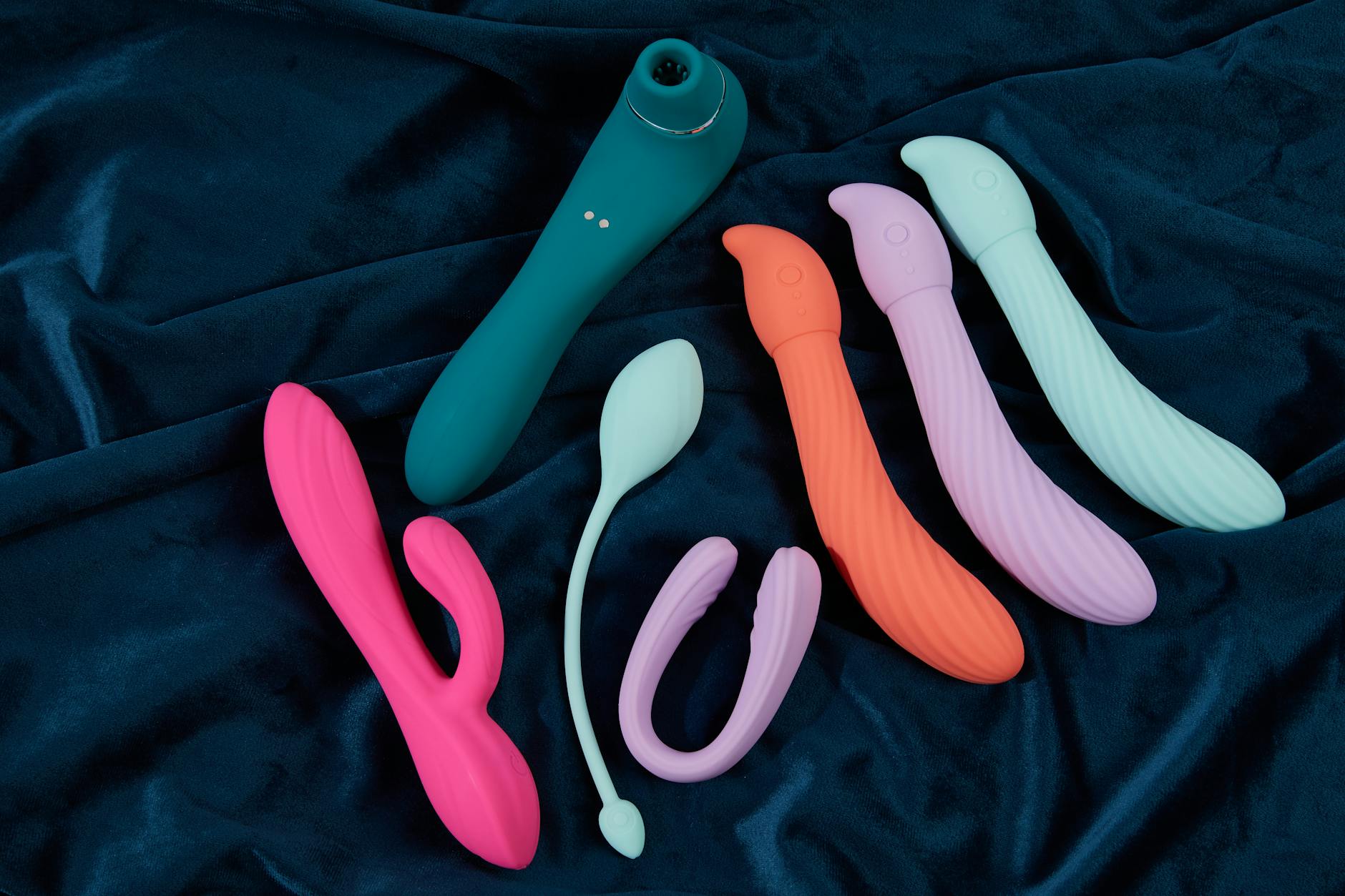
Air-suction technology like the Lem works differently. Instead of vibrating against the clitoris, it creates a gentle pulling sensation. Think of it as a soft, rhythmic suction that stimulates the nerve network without triggering muscular resistance. The sensation reaches deeper into the tissue without the same mechanical friction.
For people whose pelvic floor is hyperactive, that difference matters wildly. The stimulation wakes up numbed nerves without hammering them into submission. It rebuilds sensation gradually, the way physical therapy rebuilds strength. You're essentially retraining your nervous system to recognize and respond to touch.
How sensitivity rewires during recovery
Your nervous system is plastic. It learns. When you create new sensory pathways through repeated, gentle stimulation, your brain gradually restores its capacity to feel that sensation. This happens faster if you're consistent and if the stimulation is calibrated to your current state, not your pre-dysfunction state.
Here's what I typically see happen. Week one to two: the sensation is still dulled, but you notice a faint response. Week three to four: you can distinguish between different settings on the vibrator. Sensation becomes more granular. By week six to eight, if you're also doing pelvic floor physical therapy, arousal starts to rebuild its normal arc. That glass pane starts to feel less thick.
The timeline varies depending on how long you've had pelvic floor dysfunction and how consistently you're using rewiring tools. But the principle is consistent. Gentle, repeated sensory input teaches your nervous system that touch in this area is safe and worthy of attention.
Many people combining pelvic floor PT with air-suction vibrators report that they regain clitoral sensitivity faster than those who don't, and that they feel more confident about their bodies throughout the recovery process. That psychological shift is real and important for the long-term healing.
Starting with lower settings and why that matters
If you're coming into air-suction stimulation from a place of pelvic floor hyperactivity, you need to start differently than someone picking up a lemon vibrator for the first time.
Setting one or two on most air-suction vibrators is incredibly gentle. It's barely perceptible to someone with normal sensation. But for someone whose clitoral nerves are in a protective state, it's the right entry point. You're not trying to feel the strongest sensation possible. You're trying to feel sensation, period. The goal is to activate the nerve pathways without triggering protective clenching.
I usually recommend three to five minutes on setting one or two, three to four times per week, ideally in the evenings when you can be relaxed and unhurried. Don't push toward arousal. You're not trying to orgasm. You're trying to retrain the signal. Think of it as sensory meditation.
Over three to four weeks, you gradually move to slightly higher settings as your sensitivity improves. This mirrors how physical therapy progresses. You don't jump from beginner pelvic floor exercises to advanced ones. You build slowly.
Combining vibrator use with physical therapy for faster healing
Pelvic floor physical therapy loosens and retrains the muscles. Sensory rewiring via air-suction stimulation restores nerve function. Both processes are essential for full recovery, and they work synergistically.
Your PT will teach you relaxation techniques, trigger point release, breathing patterns. That work calms the overactive muscles. When those muscles are less tense, blood flow improves, inflammation subsides, and nerves have a better chance of recovering. Meanwhile, the gentle stimulation you're doing with a lemon clitoral vibrator is specifically waking those nerves up again.
Talk to your PT about your use of air-suction vibrators during recovery. A good pelvic floor specialist will support this. They may even have specific recommendations about timing (some prefer you to practice rewiring after a session when muscles are already relaxed; others prefer it on off-days). The point is not to work against each other.
The confidence piece, which is medically relevant
When sensation deadens, many people stop touching themselves entirely. They withdraw from their partners. They avoid anything that might highlight the loss of feeling. That avoidance perpetuates the nervous system's protective shutdown. The longer you're not stimulating that area, the longer it stays numb.
Rewiring sensation with a tool like a lemon vibrator gives you something concrete to do during recovery. It shifts the narrative from "my body is broken" to "my body is healing and I'm helping it." That's not just psychology. That confidence, that active participation in recovery, changes how your nervous system responds to the process.
People who use air-suction vibrators during pelvic floor recovery consistently report feeling more embodied and less traumatized by the dysfunction. They move through recovery faster, and they emerge with their sexuality more intact.
When sensation isn't coming back: know when to escalate
Most people see significant improvement in clitoral sensitivity within eight to twelve weeks of combining pelvic floor PT with gentle air-suction stimulation. If you're three months in and sensation is still very muted, or if you're feeling new pain during stimulation, talk to your PT or a pelvic health gynecologist.
There are additional interventions that can help. Nerve-focused topical treatments, more targeted physical therapy, or in some cases, referral to a pelvic pain specialist. The point is that sensation should be improving. If it's not, you need adjusted support.
FAQ
Can I use a lemon vibrator if I'm actively in acute pelvic floor pain?
Not usually during the acute phase. If you're in pain when you try to use it, stop. Your nervous system is in protection mode and additional stimulation can backfire. Wait until pain is controlled by your physical therapist before introducing sensory rewiring tools. Your PT will tell you when you're ready.
How often should I use an air-suction vibrator during pelvic floor recovery?
Three to four times per week is ideal. You're building new neural pathways, and consistency matters more than frequency. More than five times weekly can feel overstimulating. Fewer than two times weekly is usually too infrequent to accelerate rewiring. Start with setting one for three to five minutes and increase gradually as sensation returns.
Will using a lemon vibrator make my pelvic floor worse?
If you start with too high a setting or use it when you're still in acute pain, yes, it can trigger protective clenching and make things worse. But if you start gently and use it as part of your recovery protocol in conversation with your PT, no. The gentle suction of air-suction vibrators is significantly less likely to trigger hyperactivity than oscillating vibration.
What if I feel pain instead of pleasure when using the vibrator?
Stop immediately. Pain during sensation rewiring means your nervous system is still too protective. This is common. It doesn't mean something is wrong with you or with the tool. Wait another two to three weeks, work more intensively with your PT on relaxation, and try again when you're less tense. Your PT can also recommend specific breathing or relaxation techniques to do right before using the vibrator.
Can I use a vibrator if I have a partner, or should I do this alone?
You can do either. Alone is often easier during early recovery because you can focus entirely on sensation without any performance pressure. Once sensation starts returning, using a vibrator with a partner present (not necessarily during penetration or intercourse) can help rebuild confidence and intimacy. Your partner might hold you, kiss your neck, create context. The point is to slowly rewire the sensory and emotional connection to your body as it heals.
How long does pelvic floor recovery usually take if I combine PT with air-suction vibrators?
Most people see noticeable improvement in sensation and symptoms within six to twelve weeks. Full recovery (no symptoms, normal sensation, return to the sex life you want) typically takes four to six months depending on how long you had pelvic floor dysfunction before treatment. Consistency with both your PT and your rewiring practice accelerates everything.
You're rebuilding, not fixing
Pelvic floor dysfunction makes it feel like your body has betrayed you. The numbness, the dysfunction, the loss of sensation. Recovery is not about snapping back to "normal" as fast as possible. It's about slowly, consistently reconnecting with a part of your body that's been in protective shutdown.
Air-suction tools like lemon vibrators are one of the most effective ways to do that reconnecting. Not because they're magic, but because they offer gentle, graduated sensory input that teaches your nervous system it's safe to feel again. Combined with physical therapy, consistency, and patience, they help bring you back to yourself.
Your sensitivity can return. Your pleasure can come back. Your body is more resilient than it feels right now. If you'd like personalized guidance on this process, contact Hello Nancy to connect with support.