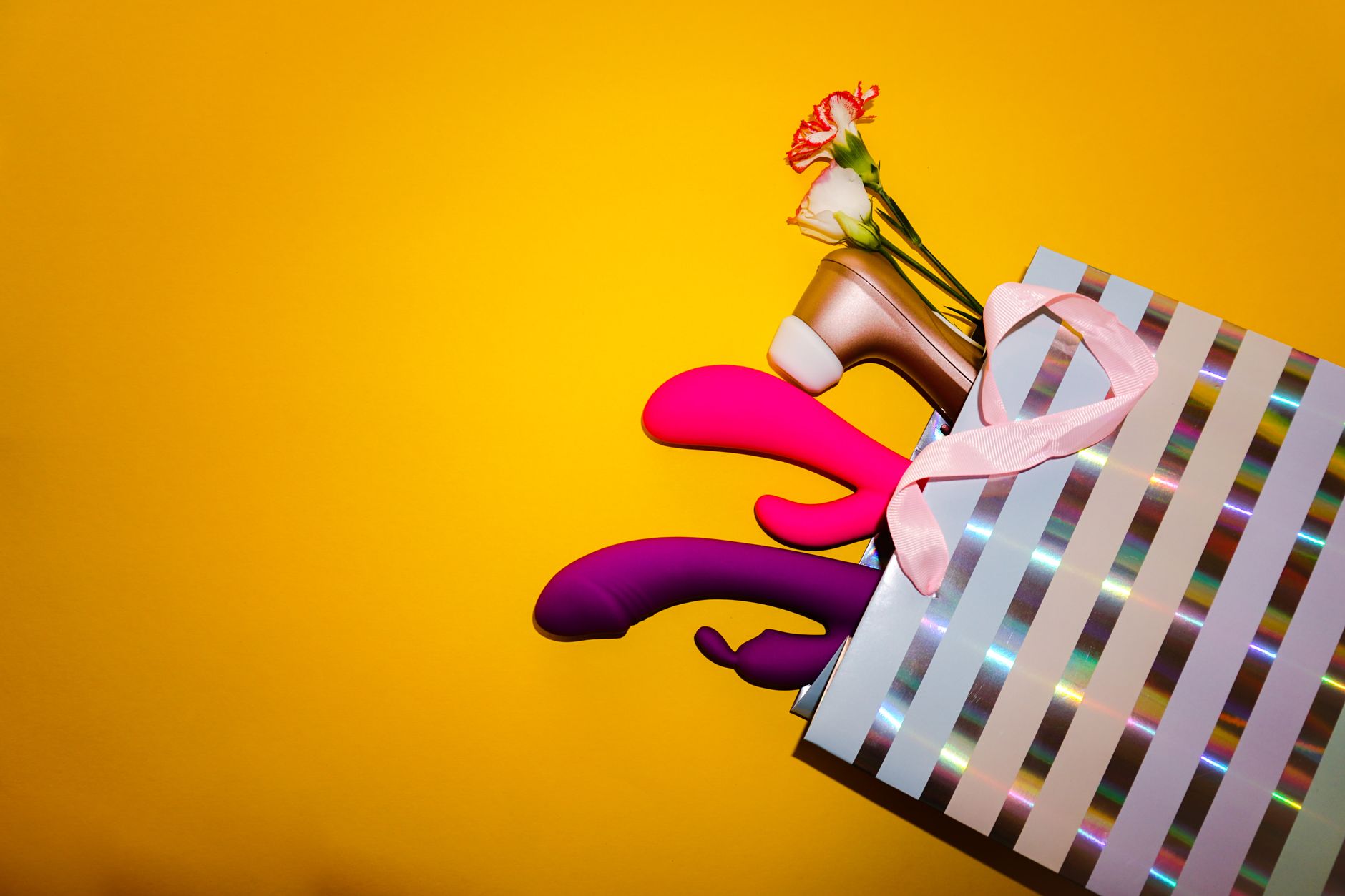
Your body is changing. Your pleasure doesn't have to.
Hormonal transitions hit everyone differently. Perimenopause, postpartum shifts, hormonal contraceptives, medical treatments. The common thread: your tissues are responding to less estrogen, your sensitivity maps are rewiring, and your old tools suddenly feel either too intense or weirdly ineffective. That's not a personal failure. That's biology asking you to adapt.
Lemon vibrators, specifically air-pulse designs like the models from Hello Nancy, are built for exactly this moment. Not because they're magic, but because they work fundamentally differently from traditional vibrators when your body is in flux.
Why traditional vibrators become problematic during hormonal shifts
Most vibrators work by rapid friction. They buzz, they rumble, they move side to side at high frequency. That works brilliantly when your vaginal tissue is thick, well-lubricated, and highly responsive to direct mechanical stimulation. But during hormonal transitions, tissue thins. Sensitivity can sharpen to the point where direct friction feels raw or uncomfortable.
You're not broken. Your clitoris hasn't changed structure. What's changed is the protective layer around it and how quickly your nervous system fires up. That means the old intensity level that felt perfect at 30 might feel like pressing your bruised ribs at 45.
The trap most people fall into: they assume their pleasure has declined, so they buy a more powerful vibrator. Stronger intensity only makes the problem worse.
How lemon clitoral vibrators solve this differently
Lemon vibrators use air-pulse technology instead of vibration. Rather than rubbing against tissue, they create a gentle suction and release pattern that stimulates nerve endings without direct friction. Think of it less like a jackhammer and more like a series of soft tugs.
During hormonal transitions, this matters wildly. The air-pulse method:
- Doesn't require thick tissue to feel good (works beautifully on thinner, more sensitive areas)
- Builds sensation more gradually, giving your nervous system time to catch up
- Allows for intense pleasure without the mechanical wear that friction causes
- Adapts naturally to your body's current responsiveness
Clients who switch from traditional vibrators to air-pulse lemon clitoral vibrators during perimenopause or postpartum often report that they needed weeks to adjust to a more intense vibrator, but felt comfortable with a lemon sucker on day one.
The tissue-thickness question nobody asks
Here's what your doctor might not mention: estrogen regulates collagen production in your vulva. Less estrogen means thinner skin, less elasticity, less natural lubrication. It's the same reason your face might feel drier.
Thinner tissue has a smaller margin for error. A vibrator that worked at speed 7 before now creates micro-abrasions at speed 4. You either reduce intensity (which makes pleasure feel distant) or you switch tools.
Air-pulse lemon vibrators don't require you to compromise. You get strong sensation without the mechanical trauma. That's not splitting hairs. That's the difference between regular pleasure and having to ice yourself afterward.
Sensitivity mapping shifts during transitions
Your clitoris doesn't move or shrink. What changes is the nerve density in surrounding tissue and how quickly your central nervous system translates touch into sensation. Hormonal shifts can make you hyper-sensitive to some areas and oddly numb to others.
This means your pleasure map is redrawn. The spot that made you arch your back at 35 might feel weird at 45. Not worse, just different. You need time to explore the new landscape.
Lemon clitoral vibrators give you that flexibility because the air-pulse sensation is more forgiving of variation. You can experiment with different placements, patterns, and angles without the risk of irritation that comes with friction-based toys. Exploration becomes play instead of a frustration hunt.
Why lubrication becomes your best friend (and your vibrator's)
Yes, use lubricant with vibrators. During hormonal transitions, you're using it not because something is wrong, but because it changes the equation. Lubricant creates a gentle slip layer that reduces friction whether you're using a lemon sucker or any other toy.
Water-based lubricant works best with silicone toys. Apply generously, reapply during longer sessions, and know that this isn't a hack. It's the smart choice for anyone whose body isn't producing its baseline lubrication.
One thing I've noticed: people are oddly ashamed of needing lubricant during hormonal shifts. They treat it like admitting failure. In reality, adding lube is how you stay in your pleasure instead of exiting it to manage discomfort. There's nothing weak about adapting your setup.
The psychological layer you can't skip
Pleasure isn't separate from your head. When your body is changing, that gets louder, not quieter. You might be grieving the old response pattern. You might be worried you're broken. You might be comparing your current pleasure to your past pleasure and finding it lacking.
That's where a tool that works with your body instead of against it matters psychologically. When you pick up a lemon vibrator and it feels amazing within seconds, something shifts. You're not fighting your body. You're partnering with it.
During hormonal transitions, pleasure becomes a form of self-trust. You're saying, "I'm changing, my tools are changing, and I'm still here for myself." That's not small.
How to choose the right lemon vibrator during transitions
Start with a lower intensity setting, even if you think you want stronger. Your nervous system needs time to recalibrate how it reads air-pulse sensation. Many people find they prefer a different pattern than they expected.
Pay attention to which part of your clitoris feels best. During hormonal shifts, you might be more responsive to the shaft than the glans, or vice versa. Lemon clitoral vibrators allow you to angle and adjust without losing effectiveness.
Give it three to five sessions before deciding if it's working. Your body is rebuilding a relationship with sensation. That takes a little time.
Combining lemon vibrators with other transitions
If you're also navigating relationship changes, medication shifts, or stress, those all layer onto your pleasure baseline too. A lemon sucker can't fix a distant partnership or manage your anxiety, but it can keep pleasure on the table while you address those things separately.
The best time to explore new tools isn't when everything is perfect. It's when something needs to shift. A lemon clitoral vibrator is permission to keep yourself in the loop during a transitional season.
FAQ: Lemon vibrators and hormonal health
Can I use a lemon vibrator if I'm on hormone replacement therapy?
Absolutely. HRT stabilizes tissue, but your sensitivity map is still being rewritten as your hormones settle into new levels. A lemon vibrator works equally well whether you're on HRT or not, because it's designed to work with thinner, more sensitive tissue. The air-pulse method doesn't care about your hormone status, only about how your body is responding right now.
How often should I replace a lemon clitoral vibrator?
With proper care, a quality silicone lemon vibrator lasts years. Clean it after each use with warm water and mild soap, keep it dry, and store it away from direct heat or sunlight. The mechanics are simpler than traditional vibrators, so there's less to wear out. Most people get 3-5 years of regular use before replacement.
Do lemon vibrators work if you have numbness from medication or medical conditions?
They work better than friction-based vibrators for numbness, because the suction sensation is distinct and easier for your nervous system to register than vibration. That said, if you have significant numbness, you might need a higher intensity. Start with what Hello Nancy offers and be honest if you need stronger sensation. Some people do.
Is it normal to need more time to reach orgasm with a lemon vibrator at first?
Yes. Your nervous system is learning a new kind of sensation. You might need 10-15 minutes to build to orgasm at first, when you used to need 5. That's adjustment, not decline. Most people find their baseline speeds up after a few sessions as their body recognizes the pattern.
Can I use a lemon sucker if I have a partner?
Completely. Air-pulse vibrators integrate into partnered sex more smoothly than some traditional vibrators because the sensation is less numbing to a partner who might be in contact with you. You can use a lemon clitoral vibrator during penetrative sex without it creating competing sensation.
What if a lemon vibrator doesn't work for me?
Some people's nervous systems prefer vibration to air-pulse, even during hormonal transitions. That's not a failure of the tool. You might need a hybrid approach: a gentler traditional vibrator, or a lemon vibrator at lower settings combined with manual stimulation. The goal is pleasure, not brand loyalty.
The bottom line
Hormonal transitions are a recalibration, not an ending. Your body is asking you to pay attention and adapt. A lemon vibrator, whether it's a sleek design or your first air-pulse toy, gives you permission to do exactly that without shame.
Your pleasure matters during every season. When your body shifts, your tools should shift with it. That's not settling. That's listening to what you actually need.
If you're navigating a hormonal transition and your current tools aren't working, it's worth exploring how lemon clitoral vibrators from Hello Nancy might fit into your pleasure practice. Start with what feels right, give it time, and trust that your body still knows how to want things.
Ready to explore? Reach out at /contact if you have questions about which tool might be right for your body's current needs.