Does Air Pulse Lemon Vibrator Work Better After Menopause?
Let's be real: the question isn't whether pleasure is possible after menopause. It's whether your body's changed needs match the tools you've been using.
EstrogenDrops. Tissue thins. Sensation shifts. And suddenly, the vibrator that worked great at 35 might feel too intense, too direct, or just wrong at 55. That's not failure. That's biology asking you to reconsider.
Here's the thing most sex-wellness conversations skip: the mechanism of stimulation matters as much as intensity does. A traditional vibrator and an air-pulse lemon clitoral vibrator feel completely different on post-menopausal tissue. One might be uncomfortable. The other might unlock sensations you didn't know were possible.
What actually changes in tissue after menopause
When estrogen drops, the vaginal and vulvar tissue becomes thinner. The outer layers (the epidermis) lose thickness. Blood flow to the area decreases slightly. Lubrication production slows way down. The tissue also becomes less elastic, which changes how it moves and responds to pressure.
This sounds clinical and sort of depressing. But here's what it means practically: your tissue is now more sensitive to direct, repetitive vibration. A traditional vibrator that vibrates at, say, 2,000 to 3,000 times per second creates friction that can feel raw or overstimulating on thinner tissue. It's the same thing you'd experience if someone rubbed your skin too hard in one spot for too long.
Clitoral nerve density doesn't change. Your ability to feel pleasure doesn't disappear. But the way sensation travels through thinner, drier tissue works differently.
Why lemon suction vibrators feel gentler
Air-pulse technology works on a different principle than vibration. Instead of rapid back-and-forth movement, it creates waves of suction and release. Think of it less like buzzing and more like gentle rhythmic pressure that never stays on one spot.
For post-menopausal tissue, this matters enormously. Suction stimulates the entire clitoral complex (including the internal branches that extend up into the body) without creating friction. There's no direct rubbing that can irritate thinner tissue. Instead, there's rhythmic pressure that feels almost massaging.
The lemon vibrators, including air-pulse lemon clitoral vibrators like those Hello Nancy designs, are built specifically for this kind of stimulation. The shape is intentional too. The curved design sits against the clitoris without requiring you to hold it perfectly still, which means less pressure from your own hand and more comfort during longer sessions.
Many people I work with report that air-pulse lemon suction vibrators feel less intense than traditional vibrators even on the highest setting. That's because suction distributes sensation across a wider area instead of concentrating it in one spot.
Lubrication becomes non-negotiable
Before menopause, you might have used lube occasionally or not at all. After, it becomes essential. But here's where people get confused: needing lube doesn't mean your body is broken. It means your tissue is responding normally to hormonal changes.
Water-based lube is your best option if you're using silicone toys like a lem vibrator or any lemon clitoral vibrator. Water-based products are gentler on thinner tissue and don't degrade silicone the way oil-based lubes do.
Apply lube before you start, and reapply halfway through if you're going longer than 10-15 minutes. This isn't about passion or spontaneity. It's about comfort and sensation. Good lube actually enhances feeling because it reduces friction without reducing contact.
The warm-up window is real now
Post-menopausal arousal takes longer to build. That's partly hormonal and partly anatomical. Lower blood flow means tissues take longer to engorge and prepare.
But here's the silver lining: this gives you time to actually enjoy the warm-up. Solo sessions become less about rushing to the finish and more about exploring what feels good now, in this body. Many of my clients find this phase surprisingly meditative.
Start with lower settings on your lemon suction vibrator. The Lem vibrator (which is one of the most popular air-pulse designs) has multiple intensity levels specifically because one speed doesn't work for everyone. Try patterns 1-3 for 5-10 minutes before moving up. Your tissue will tell you when it's ready for more.
Intensity and sensation in the second half of life
Here's something that contradicts the "use it or lose it" narrative: many women report stronger, more focused orgasms after menopause than before. Not fewer. Not weaker. Different, and often better.
Part of this is that orgasm itself changes. Pre-menopause, orgasm often came with uterine contractions and broader pelvic sensations. Post-menopause, orgasm tends to center in the clitoris and the tissues immediately surrounding it. It can feel more concentrated, almost electric.
With air-pulse technology, you're stimulating exactly that zone without the scatter of traditional vibration. The rhythm stays consistent. The sensation builds predictably. And for many people, that creates a kind of orgasm that feels sharper, more intense, even though the overall sensation is gentler.
Silicone toys like the lemon clitoral vibrators and lem vibrator designs also retain temperature well, which matters. Warmth enhances sensation on sensitive tissue. A cool toy can feel jarring. A warm one (even just from sitting in your hand) feels more integrated into your body.
What makes a lemon vibrator different from other air-pulse toys
Not all air-pulse vibrators are designed the same way. The shape, size, and suction intensity matter a lot.
Lemon vibrators, including Hello Nancy's lem vibrator and similar designs, tend to have a few features that work particularly well post-menopause. They're usually smaller and more discreet, which means less effort to hold steady. The contact area is typically wider, distributing pressure across more tissue instead of concentrating it. And many have multiple intensity patterns, not just a speed dial.
Patterns matter because they create rhythm and anticipation. Your brain and body respond differently to a steady buzz than to a pulsing, changing pattern. After menopause, many people find that patterned stimulation actually works better than flat intensity.
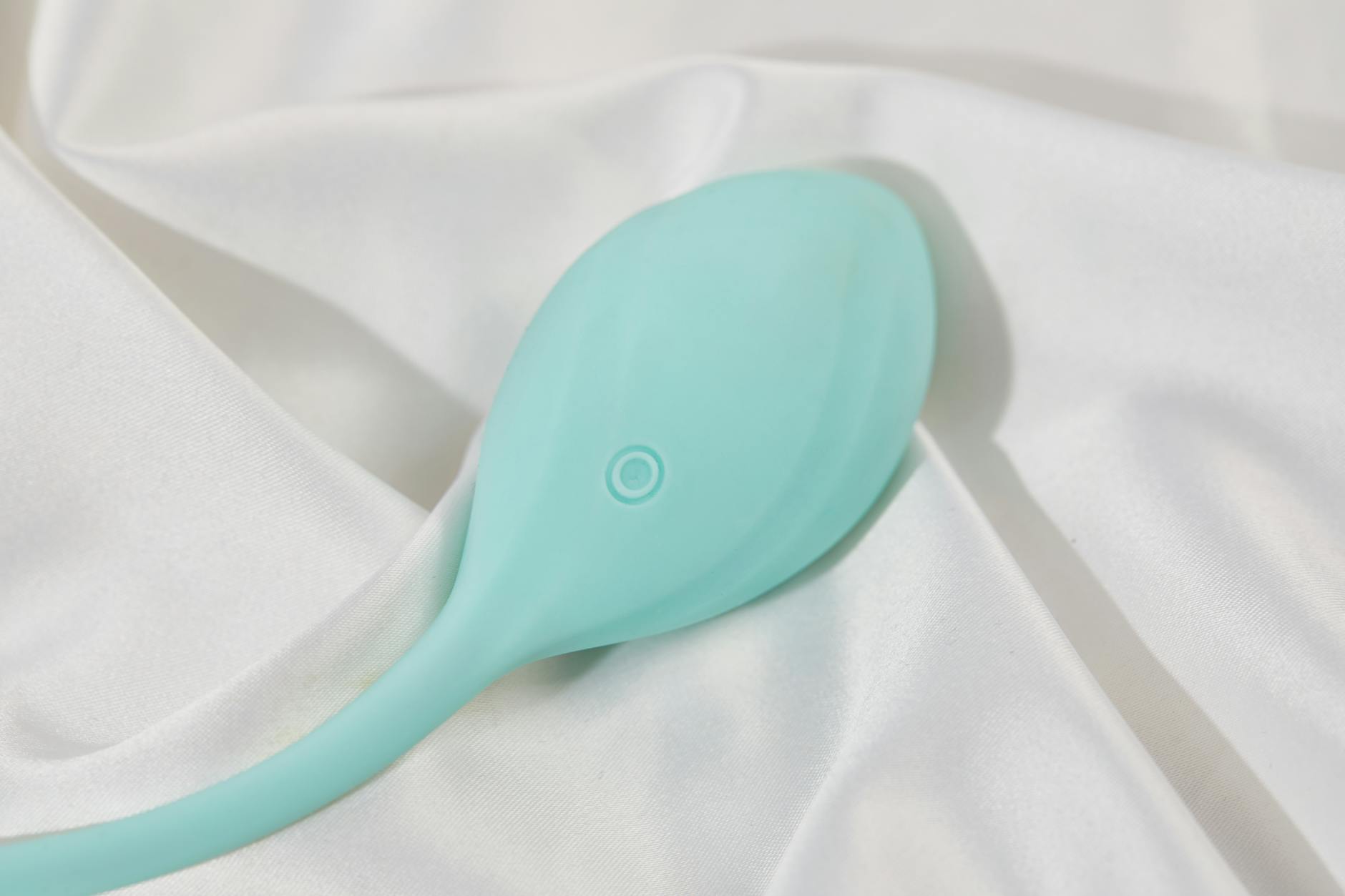
Photo by IFONNX Toys on Pexels
Partner dynamics shift too
If you're in a relationship, menopause changes the conversation around pleasure, not because you want less connection but because the physical reality is different.
Many couples find that incorporating a lemon clitoral vibrator into partnered sex actually brings them closer. Why? Because it takes pressure off the person with the penis or fingers to provide specific sensations they might not be able to match. Instead, everyone's working together toward shared pleasure.
The air-pulse design means you're not exhausted from long manual stimulation. You're not chasing sensation that isn't coming. You're working with your body instead of against it.
If your partner worries about vibrators being a "replacement," the data says otherwise. Couples who use vibrators together report higher satisfaction in partnered sex, not lower. The toy isn't competing. It's collaborating.
When to talk to a doctor
If sensation is completely absent even with the right tools and lube, mention it to your GP. Genitourinary syndrome of menopause (GSM) is real and treatable. Topical estrogen creams or vaginal moisturizers can help restore tissue health in weeks.
If you're experiencing pain (not just different sensation, but actual pain), don't power through it. Pain during sex sometimes signals a treatable condition that a menopause-informed provider can address quickly.
Your pleasure matters. It's worth having a straightforward conversation with a healthcare provider who specializes in midlife health.
The permission piece
Here's what I notice working with people navigating menopause: often the biggest barrier isn't the body. It's the permission.
Menopause is a cultural inflection point. You're suddenly not young. There's an invisible message that you should be winding down sexually, not exploring. Except your body and brain often have completely different ideas.
Choosing a lemon suction vibrator or lem vibrator isn't settling for less. It's choosing the tool that actually works with your body right now. It's saying: my pleasure still matters. I deserve to feel good. I'm not broken. I'm different, and this is better.
That's the shift. Not learning to live with less sensation, but discovering what sensation actually feels like when it's designed for you.
People also ask
Can you use an air-pulse lemon vibrator if you have a very thin or sensitive tissue?
Yes, and it's often the best choice for thin tissue. Air-pulse technology creates suction and release instead of direct vibration, which means less friction and irritation. Start on the lowest setting and use plenty of water-based lube. Your tissue will tell you what feels good. If you experience pain rather than sensation, check in with a menopause-informed provider to rule out other conditions.
Does using a lemon clitoral vibrator make natural lubrication worse over time?
No. Using a vibrator doesn't damage your tissue or reduce your body's natural lubrication. In fact, regular sexual activity (solo or partnered) can actually improve blood flow to the area and help with lubrication over time. What changes post-menopause is baseline lubrication production due to lower estrogen. A vibrator doesn't make that worse. Using good water-based lube during sessions protects tissue and enhances sensation.
Are lemon vibrators specifically designed for post-menopausal bodies?
Not exclusively, but the design features that make lemon vibrators and lem vibrators popular (smaller size, air-pulse technology, multiple patterns) happen to work really well for post-menopausal tissue. The suction-based stimulation is gentler than traditional vibration, and the ergonomic shape means less strain on your hands and arms during longer sessions. They work for bodies of all ages, but many post-menopausal users report they're a game-changer.
How long does it take to adjust to an air-pulse lemon vibrator if I've only used traditional vibrators?
Often just one or two sessions. The sensation is different enough that your brain and body need a little time to map the feeling. Start at lower intensities and explore the different patterns. Some people find the change amazing immediately. Others take three or four tries before they're sure. There's no rush. Your preference might surprise you.
Can you use a lemon sucker vibrator if you're on hormone replacement therapy?
Absolutely. HRT can help restore some tissue thickness and lubrication, but it doesn't eliminate the benefits of using tools designed for your post-menopausal body. Some people using HRT find traditional vibrators feel better again. Others discover they prefer air-pulse lemon clitoral vibrators no matter what. There's no single "right" answer. Your body's response is the only rule that matters.
Is it normal to need stronger patterns or longer sessions after menopause?
It's common, and it's not a problem. Lower estrogen and slower arousal buildup sometimes mean you need more time or variety in stimulation. This isn't diminished capacity. It's your body asking for something different. Many people find that using patterned air-pulse stimulation actually requires less total intensity because the rhythm is more effective. You're not compromising. You're learning what works now.
The bottom line
Menopause changes the physical landscape of pleasure, but it doesn't end it. In many ways, it opens it up.
Air-pulse lemon vibrators and lem vibrators work differently than traditional vibrators because they have to. Your tissue is different. Your arousal pattern is different. Your preferences might be different too.
Choosing a tool designed for this phase of your life isn't settling or admitting defeat. It's the opposite. It's saying your pleasure still matters, and you're smart enough to adapt.
If you're curious about whether a lemon clitoral vibrator might work for you, our buying guide walks through the options. And if you have questions about how menopause specifically affects pleasure, we're here to talk at /contact. You deserve to feel good, not just okay.
References and sources
- American College of Obstetricians and Gynecologists. Genitourinary Syndrome of Menopause: Clinical Update. (2021)
- Nappi, R. E., & Kokot-Kierepa, M. (2019). Vaginal health: Insights, views & attitudes (VIVA) - results from an international survey. Climacteric, 22(3), 233-245.
- Kingsberg, S. A., & Krychman, M. L. (2013). Sexual dysfunctions in the perimenopause and postmenopause. Climacteric, 16(S1), 96-103.
- Tan, O., Bradshaw, K., & Carr, B. R. (2012). Management of vulvovaginal atrophy-related sexual dysfunction in postmenopausal women: An evidence-based review. World Journal of Obstetrics and Gynecology, 1(1), 1-7.